
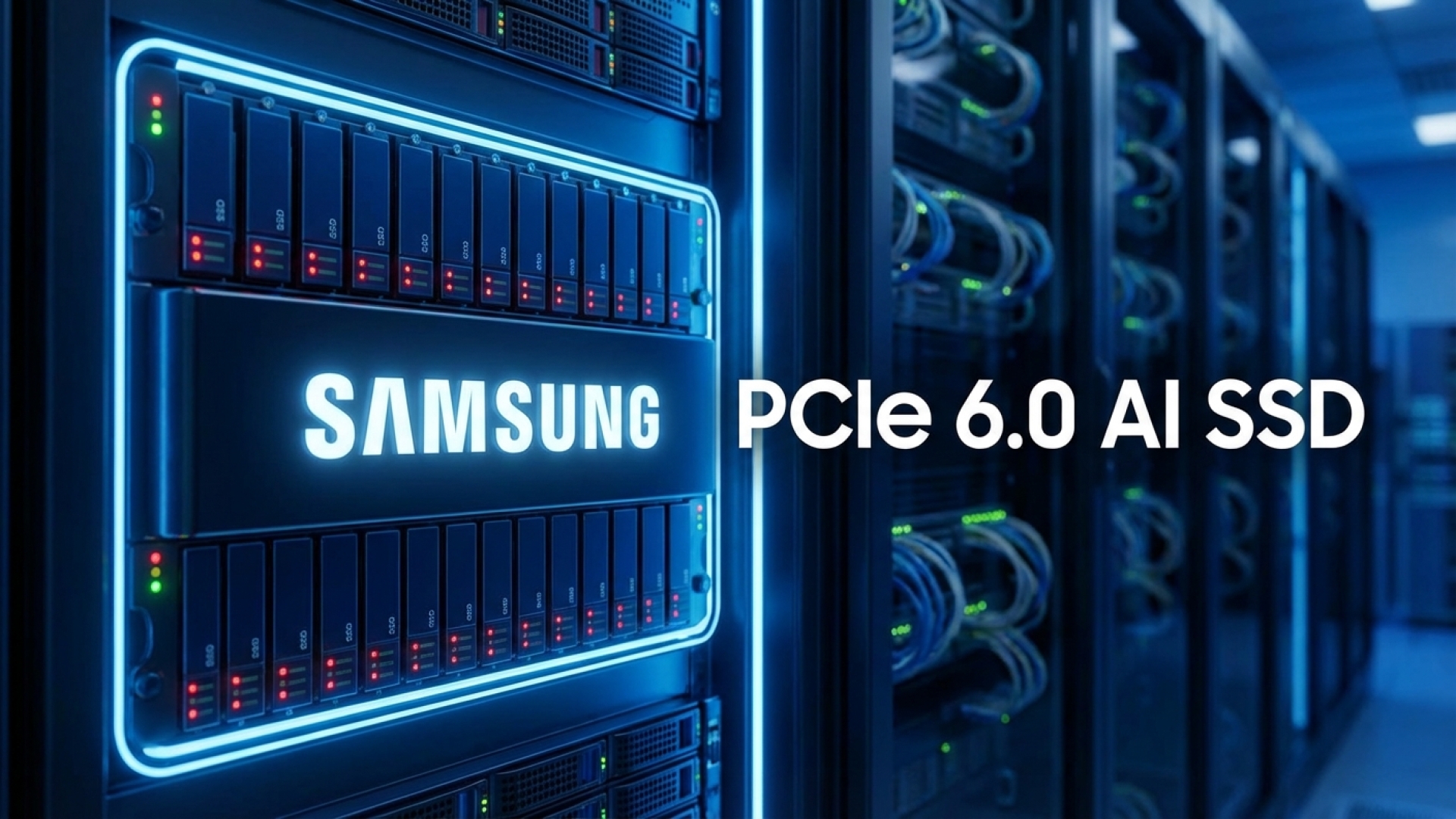
The storage landscape is shifting at a breakneck pace, and here at Digital Tech Explorer, we are closely tracking the next leap in SSD technology. Despite the current fluctuations in market pricing for consumer drives, industry giants like Samsung are aggressively pursuing the next frontier. According to reports from ZDNet Korea, Samsung has officially commenced “full-scale preparations” for PCIe 6.0 SSDs. With research and development orders already in motion, mass production for these high-performance drives is slated for the second half of the year.
This rapid acceleration isn’t just about speed for speed’s sake; it is being propelled by the insatiable appetite of the artificial intelligence (AI) sector. As our team often discusses regarding AI acceleration, the demand for massive data throughput is making high-capacity storage “sexy again,” echoing sentiments shared by Micron during the early stages of the AI boom.
Samsung’s Strategic Entry into PCIe 6.0
As TechTalesLeo, I’ve watched many hardware cycles, but the transition to Gen 6 feels particularly focused on the enterprise sector. Samsung recently unveiled its first PCIe 6.0 drive, the Samsung PM1763, at the Future of Memory and Storage summit. This hardware earned the “Best of Show” award for its innovative approach to memory technology, specifically tailored for data centers and massive AI training clusters.
The PM1763 is a behemoth, launching with a 256TB capacity, with a staggering 512TB version planned for 2027. These specifications highlight a clear divide in the market: these drives are built to sustain the backbone of global hardware infrastructure, far exceeding the requirements of even the most enthusiast-grade consumer PC.
PCIe Generation Comparison
To understand where the industry is headed, it is helpful to look at the performance evolution across the most recent PCIe standards. Digital Tech Explorer has compiled the following data to illustrate the leap in sequential speeds.
| PCIe Generation | Max Throughput (Per Lane) | Target Market | Status |
|---|---|---|---|
| PCIe 4.0 | 2 GB/s | Gaming & Mainstream PC | Mainstream Standard |
| PCIe 5.0 | 4 GB/s | Enthusiast & Workstation | Adoption Phase |
| PCIe 6.0 | 8 GB/s | AI Servers & Data Centers | Entering Production |
Consumer Reality: Why Gamers Can Wait
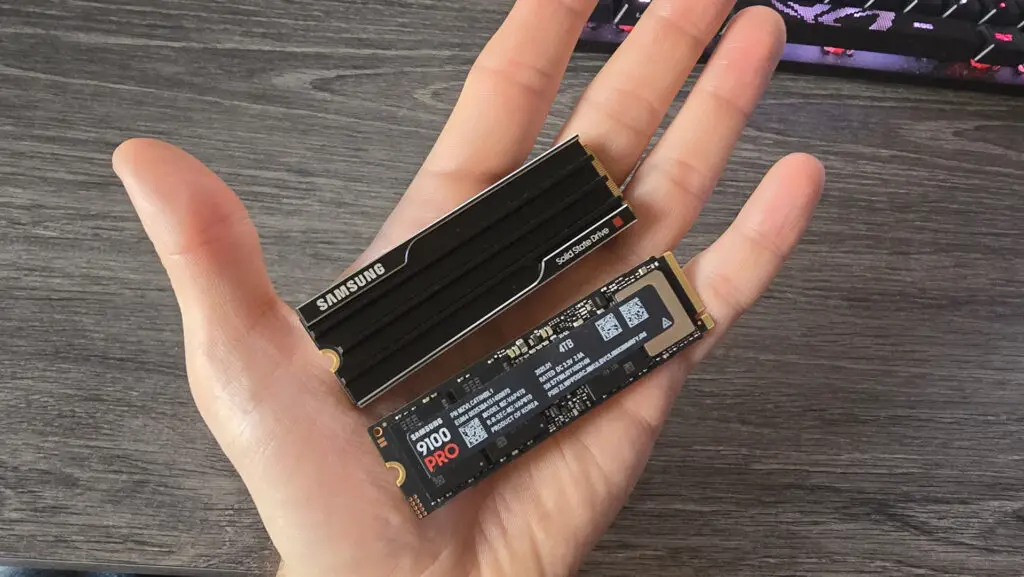
While the technical specifications of Gen 6 are breathtaking, most users—especially those in our gaming community—should maintain perspective. The high costs associated with PCIe 6.0 controllers and NAND flash mean these drives will remain priced out of the consumer market for the foreseeable future.
For tasks like 4K video editing or playing Minecraft with heavy shaders, current PCIe 4.0 drives offer the best balance of price and performance. Even the jump to Gen 5 SSDs has shown diminishing returns in real-world loading times for most software applications. TechTalesLeo’s advice? Stick with reliable Gen 4 or Gen 5 hardware for your local builds and let the enterprise sector pave the way for the Gen 6 rollout.
The Competitive Landscape: Micron and Samsung
Samsung isn’t the only player in this high-stakes game. Last year, Micron launched its own PCIe 6.0 SSD, delivering sequential read speeds of up to 28 GB/s. This move, occurring three years after the standard was finalized, signals a maturing ecosystem for AI-driven storage.
The competition between these giants is beneficial for everyone. As the AI sector moves toward Gen 6, we expect to see a stabilization in the supply of PCIe 4.0 and 5.0 components. At Digital Tech Explorer, we hope this transition eases the pressure on consumer pricing, making high-speed storage more accessible for tech enthusiasts worldwide.
Stay tuned to Digital Tech Explorer for more updates on emerging hardware and deep dives into the technology shaping our digital future.