
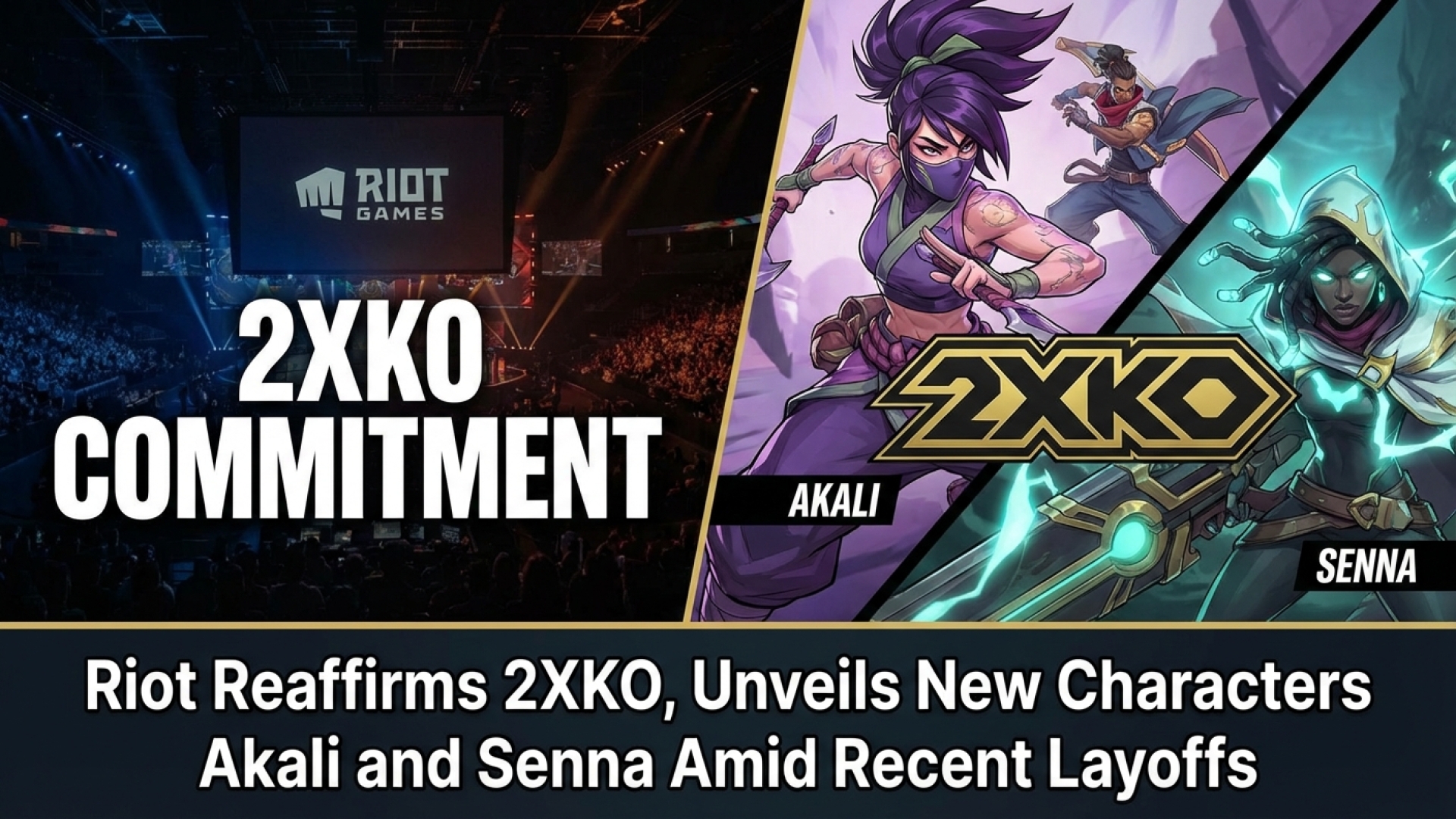
In the rapidly evolving landscape of digital innovation, few stories are as compelling as a studio doubling down on its creative vision amidst industry turbulence. Just days after announcing significant layoffs affecting the 2XKO development team, Riot Games has stepped forward to reassure fans that it remains “fully committed” to its highly anticipated fighting game. At Digital Tech Explorer, we keep a close eye on how software shifts impact the final product, and this latest update from Riot suggests a resilient roadmap for the League of Legends-themed fighter.
Upholding the Core Gameplay Philosophy
In a recent transparency-focused update titled “What’s Next + New Champs,” Game Director Shaun Rivera clarified the team’s trajectory. Despite the internal restructuring, the developers are focusing on the core principles that resonate with the Fighting Game Community (FGC). The mission remains clear: maintain a fast-paced, high-skill environment where player creativity and reaction times are the primary drivers of success.
Rivera also addressed the technical necessity of ongoing balance changes. The current meta has seen “outliers”—specifically champions like Ekko and Yasuo—who currently lack punishable weaknesses at elite levels of play. By refining these mechanics, Riot aims to ensure every member of the roster has a distinct identity, contributing to a more competitive and healthy gaming ecosystem.
Investing in the Competitive Scene
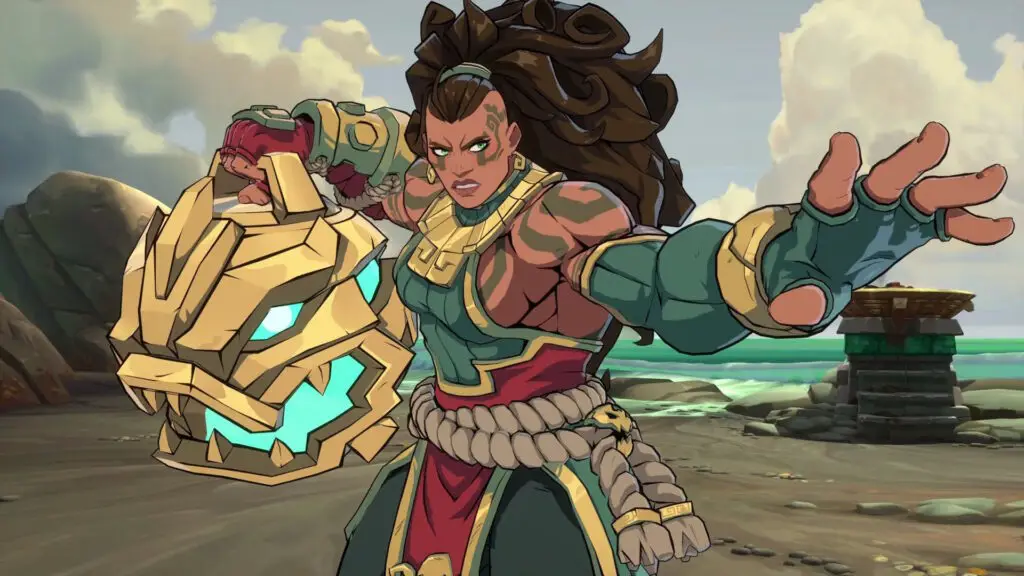
A key pillar of Digital Tech Explorer’s coverage is how software fosters real-world community. Riot is leaning heavily into this by integrating “exclusive in-game prizing” for local events. Following the momentum of the Genesis X3 Challenger event, this initiative is designed to incentivize participation within local FGC hubs. By rewarding grassroots engagement, Riot is bridging the gap between digital software and physical social interaction.
New Characters and Accessibility Features
Beyond balance tweaks, the update revealed a much-requested feature: local duos mode. This “couch co-op” functionality will allow two players to team up locally, expanding the game’s appeal beyond the standard online ladder. For those following PC games and their social evolution, this is a welcome return to classic arcade-style camaraderie.
The highlight of the announcement was the reveal of two iconic champions joining the fray. Here is a quick look at the new additions to the 2XKO roster:
| Champion | Combat Style | Key Characteristics |
|---|---|---|
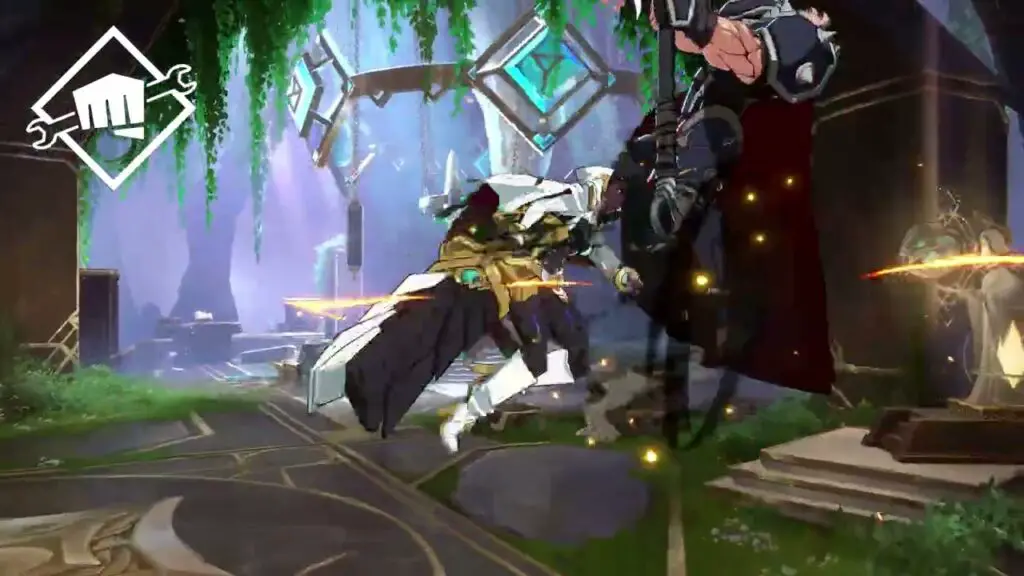
| Akali | Agile Assassin | High precision, stylish ninja-inspired movement. |
| Senna | Ranged Brawler | Massive cannon blasts mixed with aggressive wraith-form rushes. |
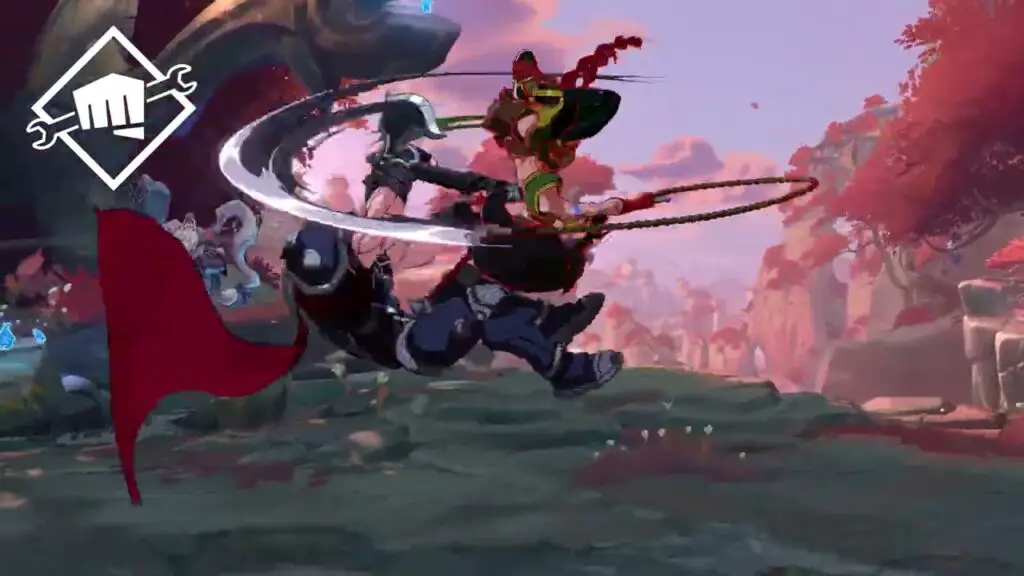
While the development team shared work-in-progress clips of Akali and Senna, specific release dates remain under wraps. The footage suggests a high level of polish, indicating that despite the reduction in staff, the remaining developers are focused on maintaining the “Riot standard” of quality.
The TechTalesLeo Perspective
As a storyteller in the tech space, I find the narrative of 2XKO’s development particularly telling. Layoffs often signal a project in distress, but Riot’s proactive communication and technical deep dives suggest a different story—one of consolidation and focus. By doubling down on the FGC and introducing complex characters like Senna and Akali, Riot is attempting to turn a period of uncertainty into a demonstration of resilience.
While community concerns regarding the game’s long-term support are valid, the commitment to competitive integrity and local community growth provides a glimmer of hope. At Digital Tech Explorer, we will continue to monitor how these internal changes affect the software’s performance and the player experience as we move toward the full release.
Stay tuned to Digital Tech Explorer for more in-depth analyses of emerging tech trends and product reviews. For more stories from our lead storyteller, visit the TechTalesLeo author page.