In the world of digital innovation, few things are as addictive as a well-designed progression loop. As a storyteller who has watched the tech landscape shift over decades, I’ve seen how software developers use psychological triggers to keep users engaged. For Call of Duty, that hook has always been the steady drip of rewards: leveling up, unlocking gear, and chasing that elusive weapon camo. It is a dopamine rush that, for many of us at Digital Tech Explorer, defined an entire era of gaming.
However, even the most finely-tuned systems can be disrupted by experimental monetization. In 2014, Advanced Warfare took a gamble that fundamentally altered the series’ DNA. By introducing mechanics that prioritized luck over skill-based milestones, it threw the competitive balance out of equilibrium—a move so controversial it remains a cautionary tale in the history of software monetization.
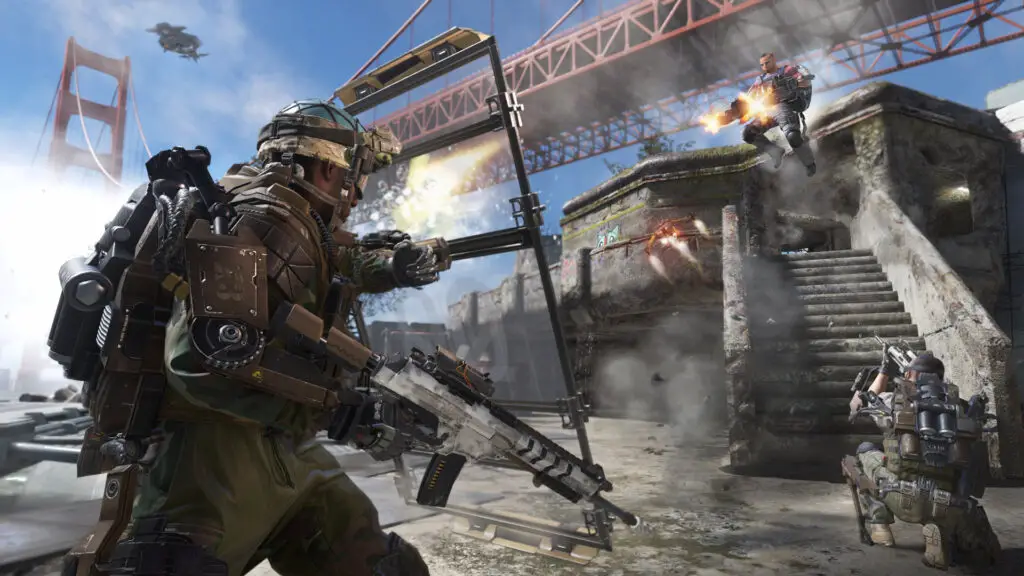
Dynamic movement and verticality defined the Advanced Warfare experience.
The Rise of Weapon Variants
The core of the controversy lay in the “weapon variants” feature. While traditional progression allowed players to unlock base models through experience, Advanced Warfare introduced tiered versions of these guns that significantly altered their performance. Unlike the cosmetic “blueprints” seen in modern titles, these variants had a tangible impact on gameplay stats like damage, range, and fire rate.
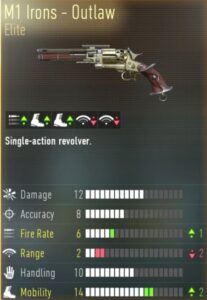
The M1-Irons was one of many weapons to receive a specialized variant.
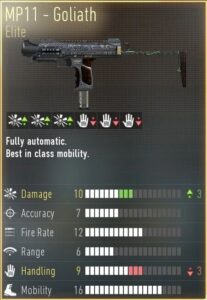
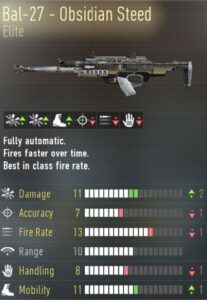
These weren’t just minor tweaks; they were game-changers. The MP11 Goliath, for instance, turned a standard SMG into a close-quarters monster by boosting damage at the expense of handling. The Bal-27 Obsidian Steed became the gold standard for many, trading accuracy for raw power. To give you a better idea of how these stats shifted, consider the following comparisons:
Weapon Variant
Primary Buff
Significant Trade-off
Gameplay Impact
ASM1 Speakeasy
Increased Rate of Fire
Reduced Range
Dominant in short-range skirmishes.
Bal-27 Obsidian Steed
Increased Damage
Slower Handling
The meta-defining assault rifle.
MP11 Goliath
Damage Boost
Handling Penalties
Unmatched time-to-kill at close range.
A comparison of the most infamous elite variants in Advanced Warfare.
The MP11 Goliath was a favorite for aggressive players.The Obsidian Steed offered a distinct aesthetic and power advantage.
Gacha Mechanics and Supply Drops
“Try your luck in the free Supply Drops, or pay a few bucks to still try your luck at getting some of the strongest guns.”
From a design perspective, the idea was intriguing: offer unique playstyles for every weapon. However, the execution was inextricably linked to gacha mechanics. This era marked the debut of Supply Drops, a new revenue stream for Activision that moved beyond the traditional paid map packs.
While these crates contained cosmetic clothing—which allowed for some of the best character customization the series has ever seen—they also held those powerful weapon variants. This created a scenario where performance was dictated by RNG (Random Number Generation). You could spend months playing and never see a “Speakeasy,” while a lucky newcomer might pull it in their first hour.
To accelerate the process, the storefront offered “Advanced Supply Drops” for purchase. This introduced a pay-to-win element that felt alien to the competitive spirit of PC games and consoles alike. With prices ranging from $1.99 for a single crate to $39.99 for bundles, the system utilized classic power-creep strategies to keep players opening boxes in hopes of finding that one legendary “Elite” item.
The era of Supply Drops brought gambling mechanics to the forefront of the franchise.
The Legacy and Evolution of Gaming Trends
At Digital Tech Explorer, we keep a close eye on how software trends evolve. The industry eventually moved away from loot boxes as legal and consumer pressures mounted. Black Ops 3 experimented with exclusive weapons, and WWII even created a social hub where players could watch others open crates—a masterclass in psychological marketing.
By 2019, the franchise shifted toward the “Battle Pass” model we see today. This current system offers transparency and a clearer path to unlocking content, which is a significant improvement for the player experience.
Reflecting on this decade-old system, it’s clear that Advanced Warfare was a pivotal moment in tech and gaming history. While it pushed the boundaries of mobility and customization, it also served as a case study for the pitfalls of excessive monetization. As we continue to explore the intersection of technology and entertainment, these stories remind us that transparency and fair play remain the most important features of any digital product.