
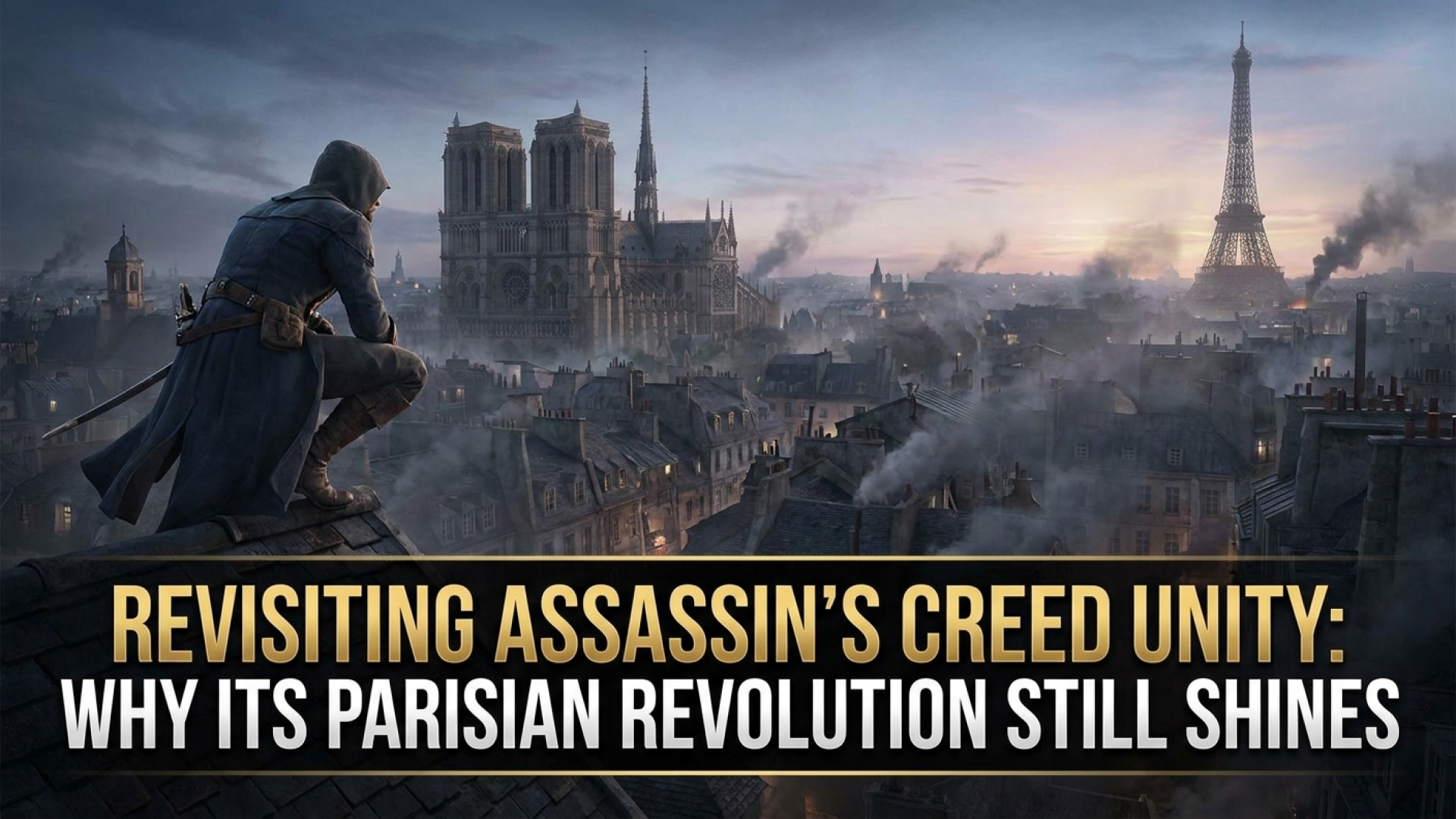
In the world of digital innovation and gaming history, few titles have suffered a more turbulent launch than Assassin’s Creed Unity. Initially plagued by technical hurdles that became the stuff of internet memes—think floating eyeballs and terrifying facial texture glitches—the game’s legacy was buried under a mountain of negative PR. However, at Digital Tech Explorer, we believe in looking beyond the initial patch notes to see the true engineering and storytelling at play. I’m TechTalesLeo, and today I’m bridging the gap between its infamous past and its status as a misunderstood masterpiece of tech-driven environmental design.
While the 2014 launch was undeniably rocky, Ubisoft’s commitment to post-launch support and the release of the Dead Kings DLC for free signaled a turning point. Today, when experienced on modern hardware and high-performance GPUs, Unity isn’t just playable; it’s arguably the most immersive “true” assassin experience ever created. It deserves a second look, not as a cautionary tale of software development, but as a pinnacle of urban level design.
A Focused Parisian Masterpiece
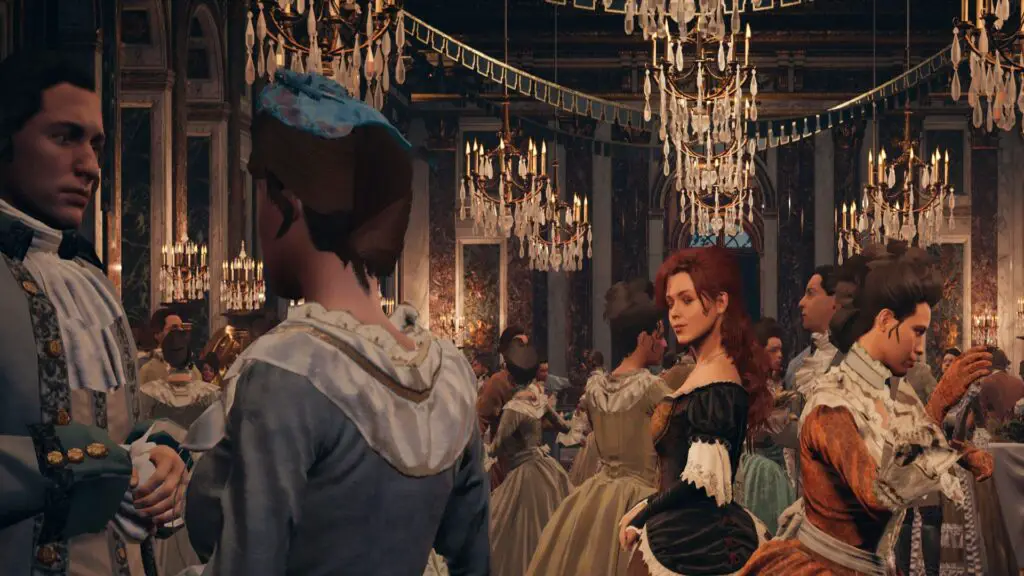
Modern gaming often trends toward “bigger is better,” with titles like Assassin’s Creed Valhalla offering sprawling maps that can take hundreds of hours to traverse. In contrast, Unity dedicates its entire technical overhead to a 1:1 scale recreation of 18th-century Paris. This focused approach allowed the developers to push 4K resolution textures and environmental density to their limits, creating a city that feels alive in a way a generic forest or mountain range simply cannot.
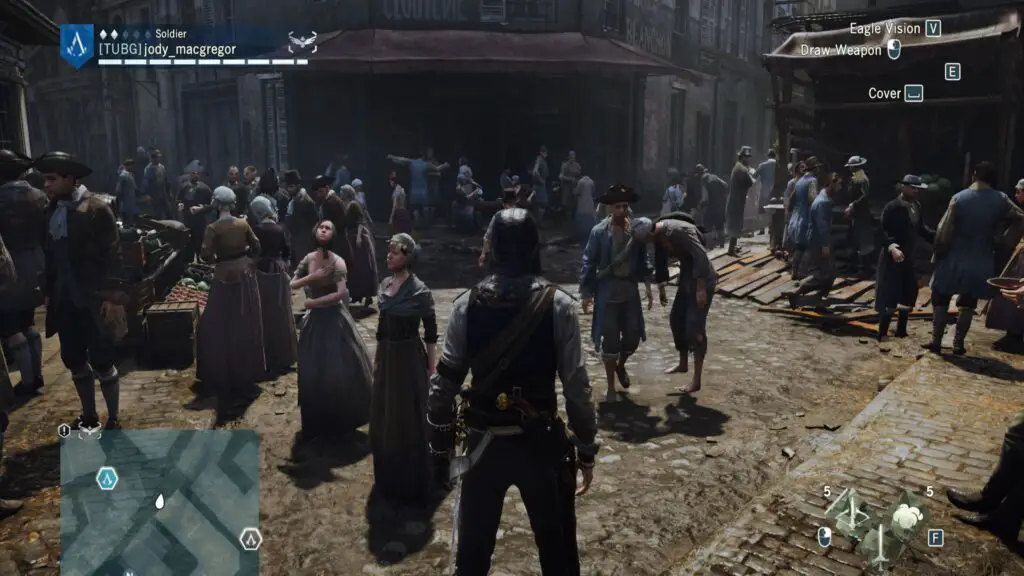
The Parisian setting is a triumph of digital storytelling. From the distinctive blue roof tiles to the muddy gutters of the slums, the city is a character itself. What truly stands out from a technical perspective is the crowd engine. Unity can render thousands of individual NPCs simultaneously, each debating politics, singing La Marseillaise, or reacting to the growing fires of revolution. This creates a palpable atmosphere that makes every mission feel high-stakes and grounded in a living history.
Evolution of Gameplay and Technical Precision
From a software perspective, Assassin’s Creed Unity introduced several key innovations that refined the series’ core loop. It was the first to implement a dedicated crouch button, moving the series toward a more deliberate stealth model. More importantly, it introduced “Parkour Up” and “Parkour Down” controls. This split allowed for a level of verticality and fluid descent that the series has arguably struggled to replicate in its more recent, RPG-focused entries.
Technical Performance Comparison
To understand why Unity deserves a revisit, it’s helpful to see how its design philosophy compares to the modern “RPG-style” Assassin’s Creed games:
| Feature | Assassin’s Creed Unity | Modern AC Entries (Origins/Odyssey/Valhalla) |
|---|---|---|
| Map Focus | Densely packed urban city (Paris) | Expansive country/region-wide maps |
| Parkour System | Complex, animation-heavy, physics-based | Simplified, automated vertical climbing |
| Combat Style | Fencing-based, lethal, parry-reliant | Hit-box based, level-gated, ability-driven |
| Stealth Focus | Social stealth and tool-based infiltration | Open combat often prioritized over stealth |
| Tech Highlight | Massive crowd AI and interior lighting | Large-scale landscape rendering and 4K vistas |
Combat in Unity also took a more realistic turn. The automatic counter-kill system of previous games was replaced with a manual parry system. Arno is fragile; bullets are lethal. This technical choice forces players to engage with the game’s tools, such as smoke bombs, berserk blades, and eagle vision, turning every encounter into a tactical puzzle rather than a button-mashing brawl.
Time Anomalies and Narrative Digital Innovation
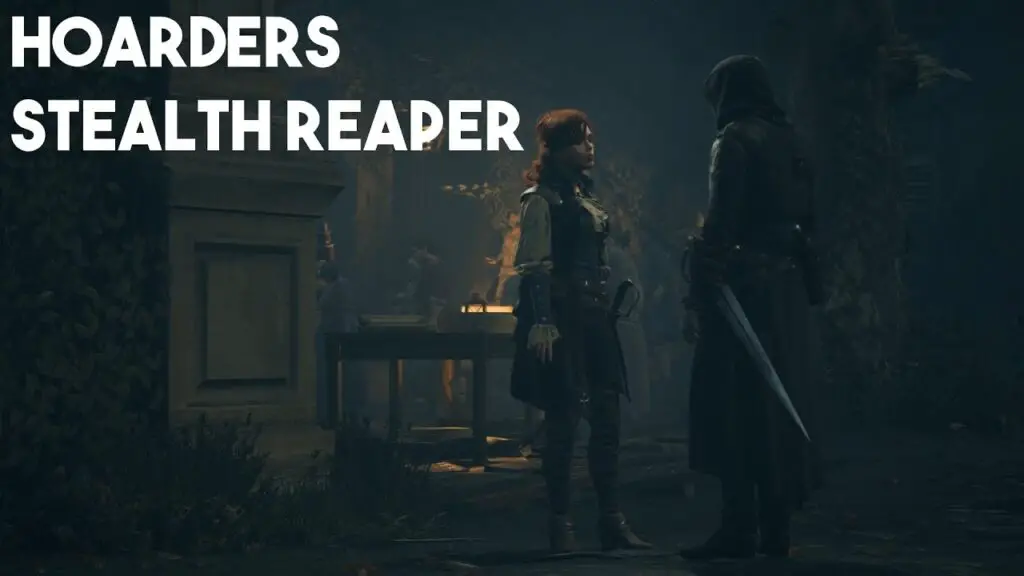
Beyond the streets of 1789, Unity experiments with “Rifts”—temporal anomalies that act as a clever bridge between the historical simulation and the meta-narrative of the series. These rifts serve as spectacular technical showcases. They allow Arno to jump through time, providing exhilarating diversions from the French Revolution.
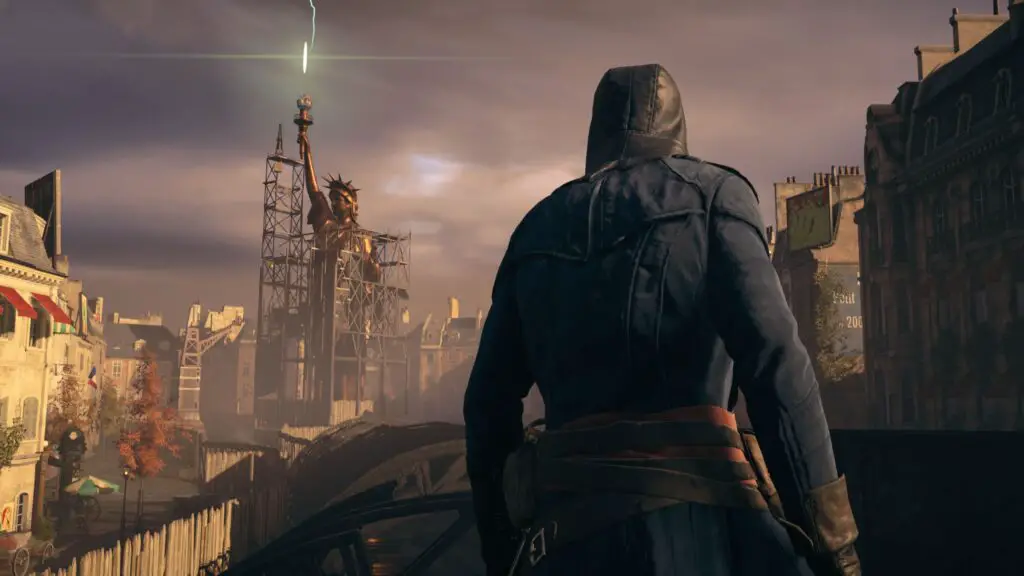
Navigating a glitchy Belle Époque Paris to scale the Statue of Liberty or escaping occupied France during the 1940s while dodging fighter planes provides a refreshing break from the main story. These moments represent the “TechTales” we love—where digital innovation meets creative storytelling to surprise the player with something they didn’t know they wanted.
Reevaluating a Digital Legacy
When Unity launched in 2014, it became a lightning rod for criticism. Much of this was justified at the time, but the social media echo chamber often overshadowed the game’s actual merits. At Digital Tech Explorer, we specialize in thorough research and real-world testing. Our modern assessment is clear: with current patches and high-end hardware, Unity is a visual and mechanical marvel.
Its dedication to an authentic, bustling urban experience makes it a unique entry in a franchise that has since moved toward broader, less detailed landscapes. Far from being a “broken” title, Assassin’s Creed Unity stands as a testament to what is possible when developers focus on depth over breadth. If you haven’t played it since 2014—or if you skipped it entirely—it is time for a second chance. The Revolution is waiting.
Disclaimer: All content on Digital Tech Explorer is for informational and entertainment purposes only. We do not provide financial or legal advice.
Affiliate Disclaimer: Some of the links on Digital Tech Explorer are affiliate links. This means we may earn a commission if you click through and make a purchase, at no additional cost to you. Our recommendations are based on thorough research and personal experience.