
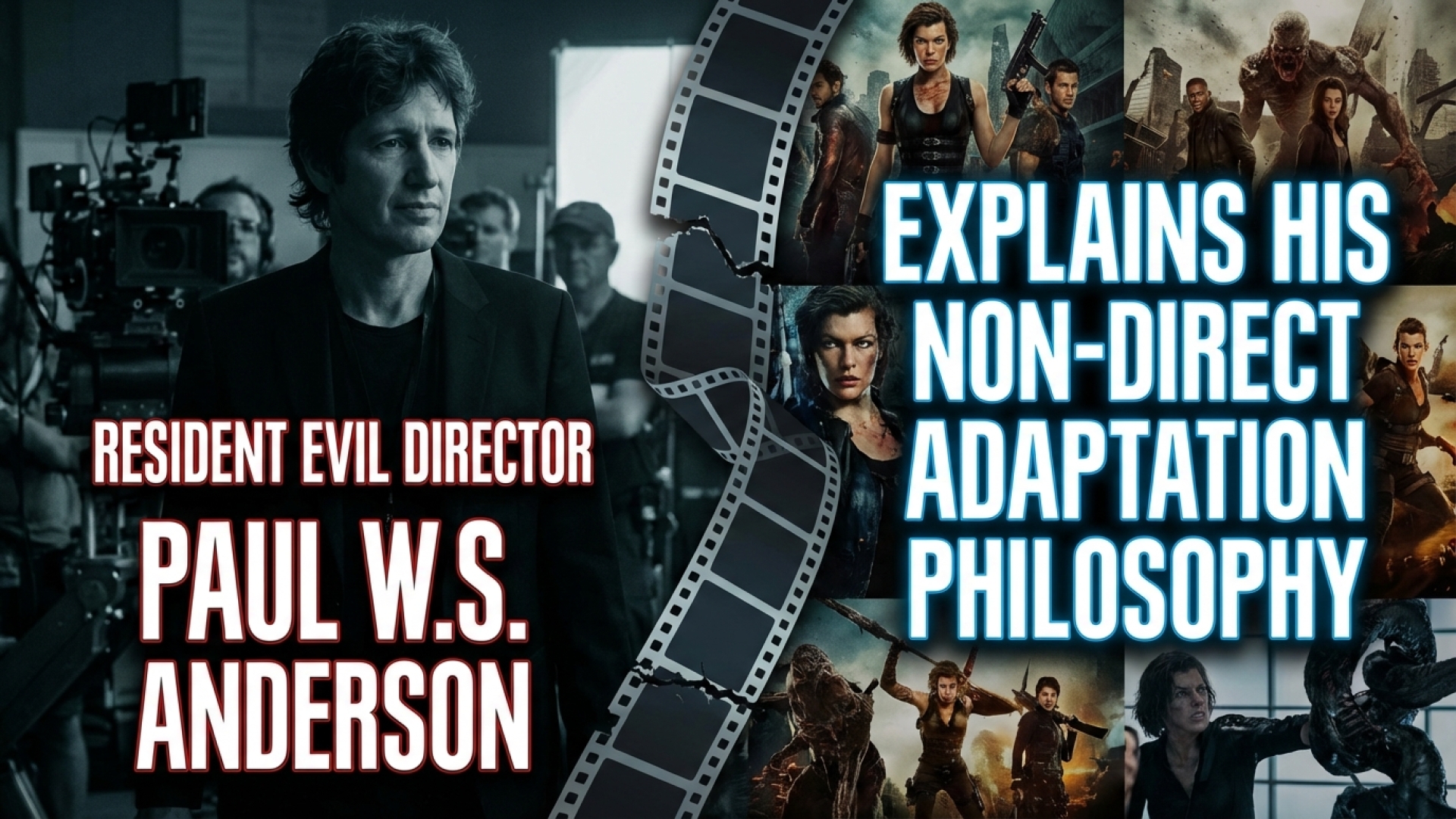
Director Paul W. S. Anderson may not have invented the videogame movie adaptation, but during an era when such projects were often dismissed, he was one of the few creators to deliver commercially successful and technically ambitious films. While critics often debate the artistic merits of Mortal Kombat (1995) or Resident Evil (2002), as a storyteller at Digital Tech Explorer, I’ve always appreciated Anderson’s keen eye for cinematography and his ability to translate the atmosphere of a digital world into a physical set. His work demonstrates an early understanding of how hardware and software aesthetics could influence modern cinema.
To understand his impact, we have to look back at the 1990s—a time when gaming adaptations were notoriously poorly received. Anderson broke that mold with Mortal Kombat and later helped launch a Resident Evil franchise that has grossed over a billion dollars. In a deep-dive interview on the Post Games podcast, Anderson shared insights into his creative process and his journey from a PS2 enthusiast to a major film director.
The Genesis of Resident Evil: A Gamer’s Passion
“I was living in Hollywood,” Anderson recalls. “I was living in a place called the Colonial House… I had got my first PS2 machine—it had the vibrating controller back in the day when that was a big thing—and I played Resident Evil 1 and 2 back-to-back. I totally fell in love with the game. As a gamer, I was so into it that I just didn’t go out for two weeks.”
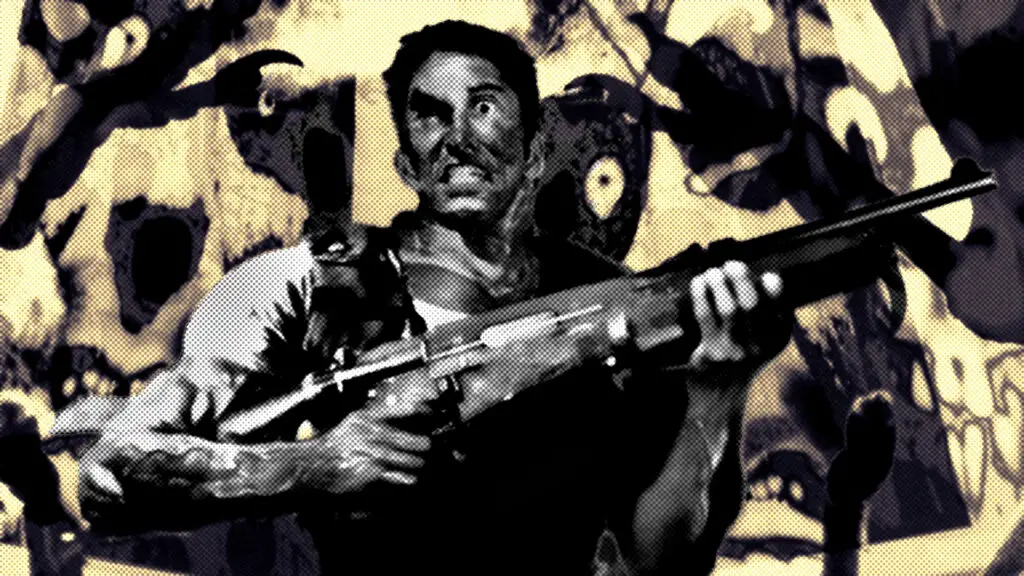
His immersion in the game was so intense that his friends became concerned. “I emerged with red eyes, two weeks’ growth of beard, and told them, ‘I’ve got to turn this videogame into a movie! It’s amazing!’” This level of dedication is what often separates a generic adaptation from one that resonates with the core audience.
Cinematic Roots: How Tech and Film Collide
The original Resident Evil games, directed by Shinji Mikami and Hideki Kamiya, were masterpieces of their era. Part of what made them so “adaptable” for Anderson was that the games were already steeped in cinematic history. Below is a breakdown of the primary cinematic influences Anderson identified within the gaming franchise:
| Game / Film Element | Primary Influence | Cinematic Outcome |
|---|---|---|
| Resident Evil 1 (Zombies) | George A. Romero | Atmospheric, slow-build horror |
| Resident Evil 2 (Police Station) | John Carpenter | “Assault on Precinct 13” urban siege style |
| Umbrella Corp Labs | Sci-Fi Gothic | High-tech, sterile environments vs. visceral gore |
Anderson noted that these influences made the transition to film feel more natural. “I thought, ‘Well, this is going to make an easy adaptation!’ Or easier than most, because it’s clear what the influences are. Added to that, I loved the zombie genre. At the time, no one had made a significant zombie movie for 10 years. Resident Evil really kick-started the revival before 28 Days Later opened the floodgates.”
The “Ground Zero” Concept and Real-World Transitions
One of the most interesting aspects of the 2002 film was its narrative choice. Instead of a direct retelling of the mansion incident, Anderson pitched it as a prequel. “It was originally titled Resident Evil Ground Zero,” Anderson explains. “I wanted it to be the actual outbreak. How did it happen? As a player, I always found it fascinating that you find this lab under the mansion, but you never see the inciting incident.”
This approach allowed him to avoid the “spoiler” problem of PC games. If he had followed the game’s plot exactly, fans would have known every twist, such as Wesker’s betrayal. By creating a Ground Zero scenario, he maintained the suspense essential to the horror genre. However, the title was eventually changed following the tragic events of 9/11, as the term “Ground Zero” took on a different, more somber meaning in the cultural zeitgeist.
Corporate Corruption and Digital Themes
At Digital Tech Explorer, we often discuss the ethics of emerging AI and blockchain tech, and ironically, Resident Evil touched on these themes of corporate corruption decades ago. Anderson believes the Umbrella Corporation represented a growing fear of unchecked power.

“Resident Evil has always traded in political themes,” says Anderson. “It represents the fear of corporate corruption and the repression of the individual. Zombie movies are, at their heart, the fear of losing individuality. If you get bitten, you become part of the lumbering horde.”
A Director’s Legacy in Gaming History
While some purists may scoff at the deviations from the source material, Anderson’s impact on hardware-inspired storytelling is undeniable. Whether it’s the cult classic status of Event Horizon or his unique take on Monster Hunter, his films bridge the gap between complex digital interactive media and accessible entertainment.
Reflecting on his career, Anderson channels his hero, John Carpenter: “In America I’m a bum, but in France I’m an auteur.” In the world of digital innovation and tech storytelling, Anderson is more than just a director; he’s a pioneer who proved that the stories we play on our screens are worthy of the silver screen.
For more insights into the intersection of gaming and cinema, you can listen to the full interview with Paul W.S. Anderson on the Post Games podcast, where he dives even deeper into the making of these iconic adaptations.