

The sun set on Arkane Austin far sooner than any of us in the gaming community expected. As a storyteller who has followed the trajectory of digital innovation for years, I’ve seen many studios struggle, but the saga of Redfall is particularly poignant. At Digital Tech Explorer, we prioritize transparency and real-world testing, and returning to the vampire-infested streets of Massachusetts after the final Patch 1.4 release felt like a necessary post-mortem for a studio that once defined the immersive sim genre.
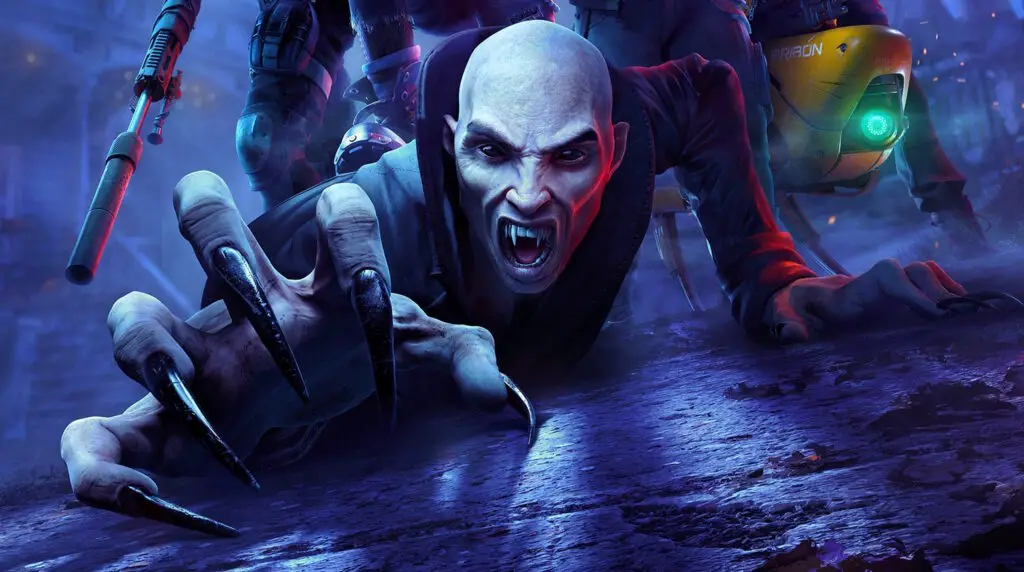
I never expected to love Redfall, especially given how sharply it pivoted from the complex DNA of Prey and Dishonored. Upon its initial 2024-era launch, the experience was undeniably shoddy. Arkane Austin’s vampire looter shooter arrived in a patently unfinished state—riddled with bugs, hampered by stagnant AI, and set within an open world that felt hollow. In the wake of this reception, Microsoft eventually made the difficult decision to shut down the studio, but not before allowing one final breath of life into the project: Patch 1.4.
The Final Update: Analyzing Patch 1.4
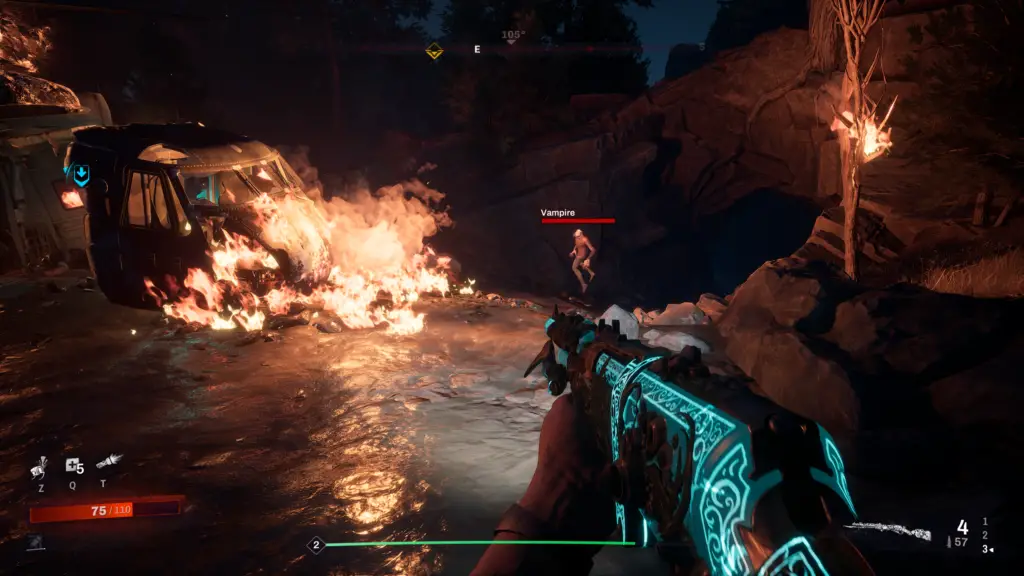
Microsoft provided Arkane Austin just enough runway to deliver what would become the game’s swan song. Patch 1.4 was touted as a significant evolution, introducing an offline mode—a critical request from the gaming community—and a host of gameplay refinements. Creative Director Harvey Smith suggested that if the game had launched in this state, the narrative surrounding it might have been entirely different. While “what ifs” are common in tech development, this update does offer a glimpse of the potential that was buried beneath the initial technical rubble.
| Feature | Impact of Patch 1.4 | TechTalesLeo Rating |
|---|---|---|
| Offline Mode | Removes the “always-online” requirement. | Essential Improvement |
| Community Standing | Adds a secondary progression system. | Meaningful Depth |
| Enemy AI | Slightly more aggressive and tactical. | Modest Upgrade |
| Performance | Increased stability and bug reduction. | Significant Fix |
Building Community Standing
The most substantial addition in Patch 1.4 is the “Community Standing” system. This functions as a secondary skill tree, rewarding players for engaging in community-focused activities such as rescuing civilians and securing Safe Houses. From my perspective as a digital innovation analyst, this system attempts to solve the “lifeless world” problem by incentivizing exploration through tangible rewards.
The perks are genuinely useful. Early unlocks provide extra ammo storage and fortified safehouse defenses. For those who persevere, the highest tiers grant game-changing abilities like temporary cloaking and self-revival. These mechanics successfully push players to move beyond the linear story and actually inhabit the world Arkane created.
The Atmospheric Beauty of Coastal New England
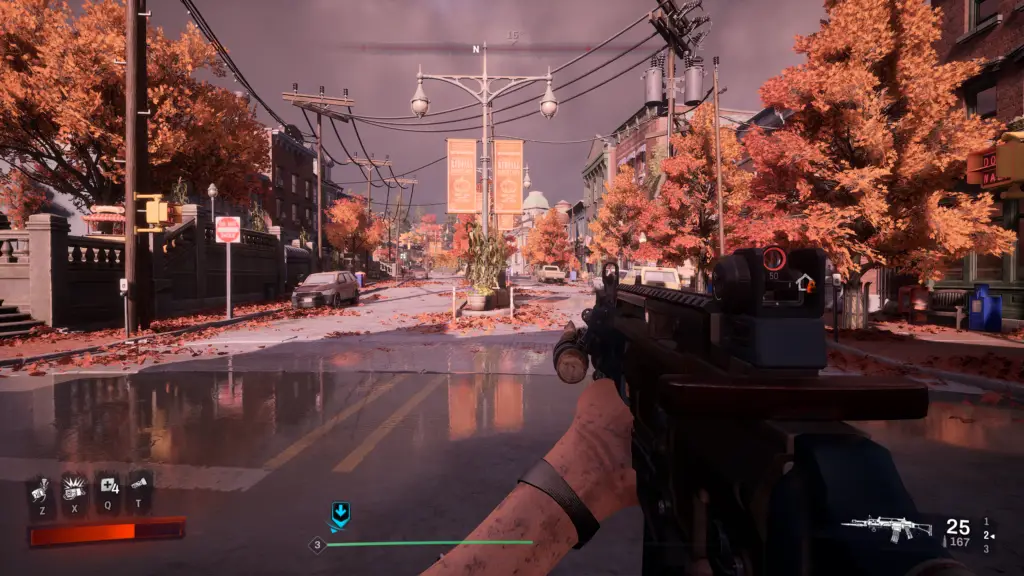
When you slow down to engage with these side missions, you begin to appreciate the environmental storytelling that Arkane was always known for. Redfall captures the paradoxically idyllic nature of coastal New England with haunting precision. The world is cold, overcast, and perpetually autumnal—a setting that feels inviting yet dangerous. Whether it’s the crunch of leaves underfoot or the redbrick charm of the avenues, the art direction is a highlight that finally gets the attention it deserves in this more stable version of the game.
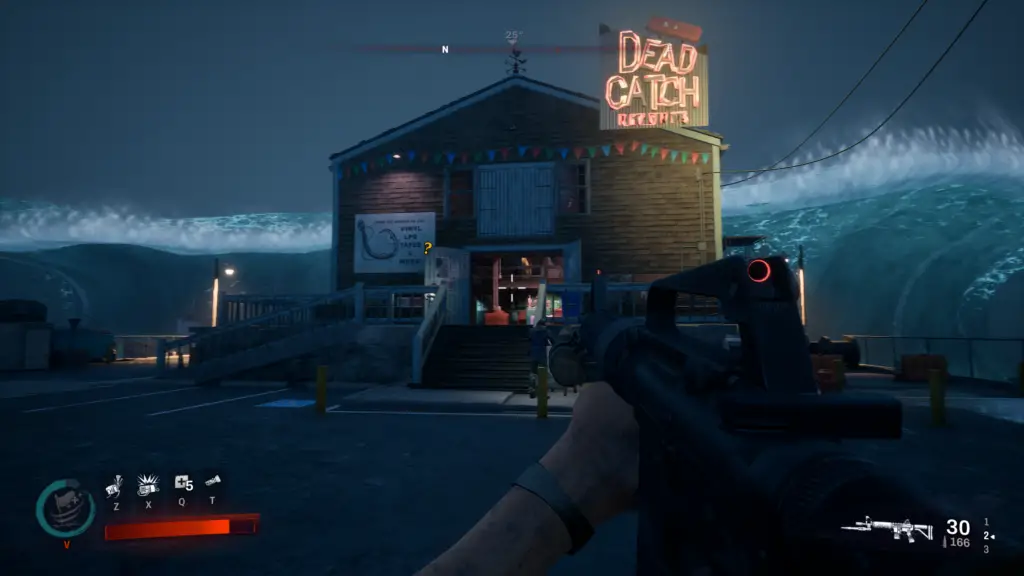
Places like Dead Catch Records—a fishing warehouse repurposed into a vinyl store—perfectly illustrate the intersection of a working-class history and modern gentrification. It is in these details that the classic Arkane magic flickers, proving that the talent for world-building was never lost, even if the gameplay framework struggled to support it.
A Shooter Still Haunted by its Foundations
Despite these improvements, Redfall remains a shooter plagued by its core design. While AI fixes have made cultists and mercenaries more reactive, the gunplay still lacks the visceral feedback found in its contemporaries. Blasting vampires with UV cannons and stake launchers is enjoyable, but it isn’t enough to carry the weight of a full-price looter shooter. Furthermore, the “community” you are tasked with rebuilding feels disconnected. The NPCs lack the depth required for a player to form a meaningful bond, a stark contrast to the rich character interactions found in previous Arkane titles.
The Narrative Disconnect
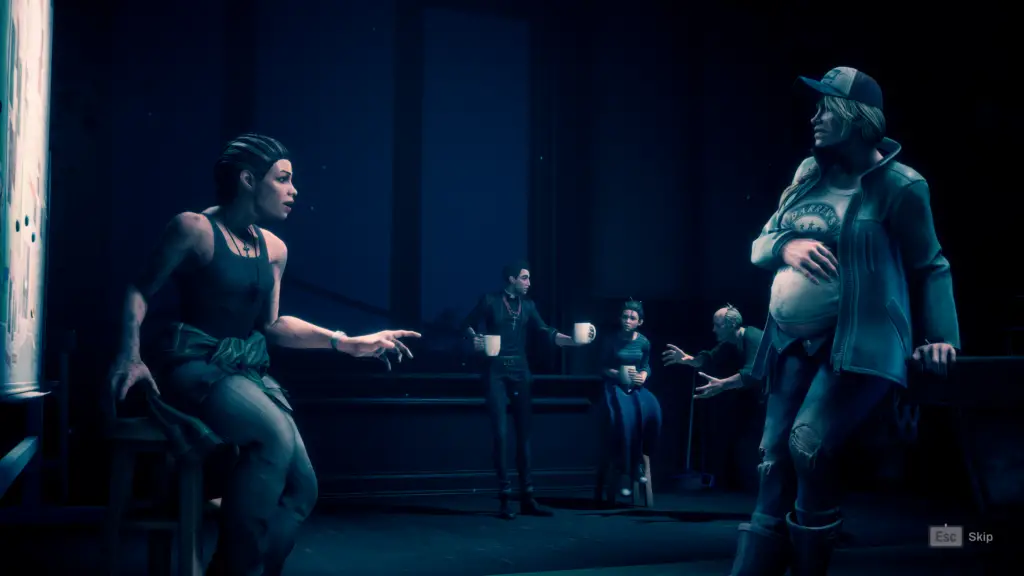
One of Redfall’s lingering issues is the “Outsider Problem.” By making three of the four playable characters newcomers to the town, the game relies heavily on found notes and environmental exposition. While this makes onboarding easier, it misses an opportunity for emotional resonance. If the characters had deeper, lived-in connections to the town—recognizing local landmarks or mourning specific neighbors—the stakes of the vampire invasion would have felt significantly higher.
Final Verdict: A Bittersweet Farewell
Patch 1.4 has undeniably made Redfall a better game. It is more stable, more feature-complete, and more respectful of the player’s time. However, it still falls short of the high bar set by Arkane’s legacy. This update serves as a bittersweet reminder of what could have been if the project had been given more time before its initial release. For tech enthusiasts and PC gamers, it stands as a case study in the modern industry’s “live service” pressures. Redfall 1.4 isn’t a masterpiece, but it is a dignified final effort from a studio that deserved a better ending.
For more in-depth analyses of gaming trends and digital innovation, visit our author page at TechTalesLeo.