
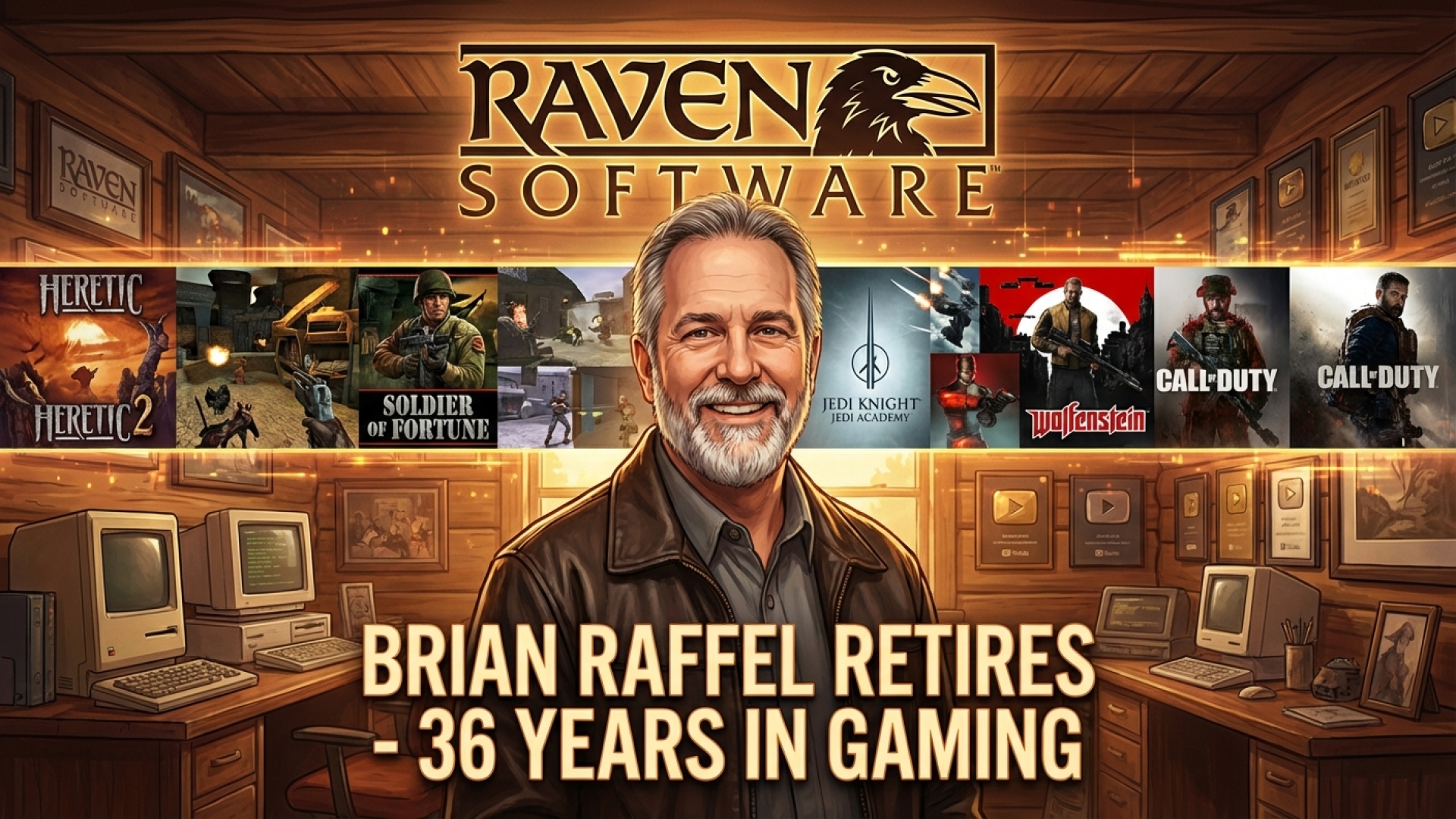
The gaming industry is witnessing the end of a legendary era as Brian Raffel, the co-founder of Raven Software, officially announces his retirement. After a remarkable 36-year career that helped shape the landscape of modern PC games, Raffel steps down from the studio he built into a powerhouse of digital innovation.
Founded in 1990 alongside his brother Steve, Raven Software became a beacon of creativity in Madison, Wisconsin. Raffel’s journey took him from the studio’s infancy as an independent developer to its acquisition by Activision in 1997—marking the publisher’s very first studio purchase. Throughout this transition, Raffel maintained a dual role, serving as both Studio Head and a Vice President at Activision, ensuring Raven’s unique culture remained intact despite its massive growth.
Reflecting on his departure, Raffel shared a heartfelt message on LinkedIn: “It’s hard to put into words what this journey has meant for me. From those early days building Raven to becoming the first studio acquired by Activision, I’m grateful for the people, the culture, and the games we created together. Most of all, I want to thank my brother Steve. Taking this path together and choosing Activision was one of the best decisions of our lives.” Steve Raffel previously retired in 2017, marking this move as the final chapter for the founding duo at the studio.
A Legacy of Genre-Defining Shooters and Technical Innovation
Raven Software’s history is a masterclass in the evolution of the first-person shooter (FPS). While their early work explored RPG territory with Black Crypt and ShadowCaster, their partnership with id Software led to the creation of Heretic. This title wasn’t just a clone of Doom; it pushed the technical envelope by introducing an inventory system and vertical aiming, features that were revolutionary for the time.
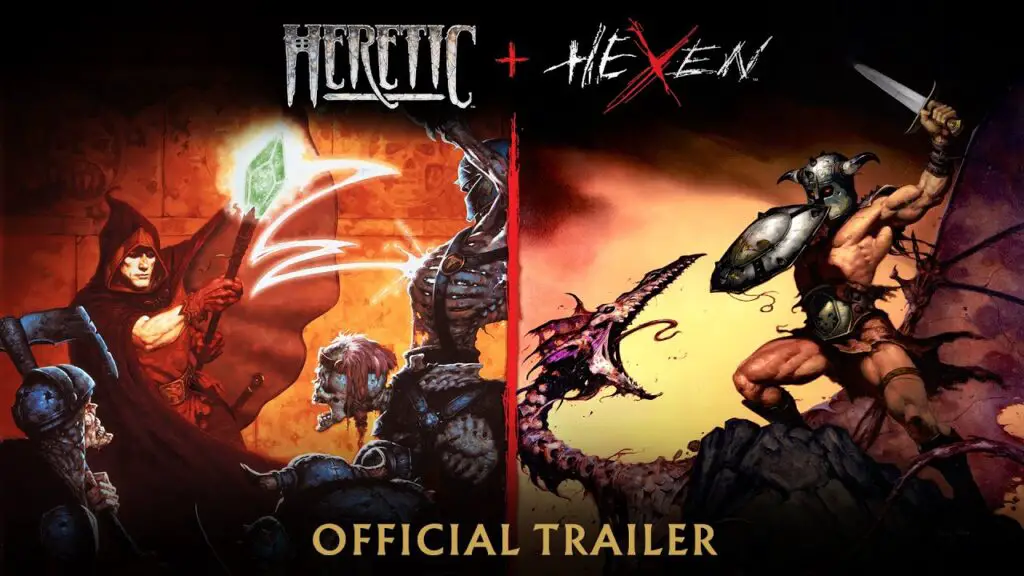
As we at Digital Tech Explorer look back at the “Golden Era” of the late 90s and early 2000s, Raven’s contribution to gaming is undeniable. The studio delivered high-octane titles like HeXen and the Soldier of Fortune series, but perhaps their most beloved work lies in the Star Wars universe. Star Wars Jedi Knight: Jedi Outcast and Jedi Academy are still considered the gold standard for lightsaber combat and complex level design.
Brian Raffel’s Career Highlights at Raven Software
| Era | Key Projects & Achievements | Impact on Industry |
|---|---|---|
| The Founding (1990) | Black Crypt, ShadowCaster | Established Raven as a premier Amiga and PC developer. |
| The FPS Evolution | Heretic, Hexen, Soldier of Fortune | Pioneered vertical look and inventory systems in shooters. |
| The Activision Era | Jedi Outcast, Wolfenstein (2009), Singularity | Refined licensed IP storytelling and experimented with time-manipulation mechanics. |
| The Warzone Era | Call of Duty: Warzone, Black Ops Cold War | Transformed Raven into a leader for massive live-service AI-accelerated environments. |
Industry Tributes to a Visionary Leader
The tech and development community has been quick to offer tributes to Raffel’s leadership. John Romero, co-creator of Doom and a long-time collaborator, emphasized the difficulty of maintaining a studio’s success for over three decades. “Brian did a great job steering the company through those turbulent early days, transitioning from an Amiga-only studio to a PC studio that made great games,” Romero told IGN. “It’s a rare team that can survive from 1990 to today—36 years! I definitely give credit to Brian for making that happen.”

In the last decade, Raven has become a cornerstone of the Call of Duty ecosystem. Under Raffel’s guidance, the studio took the lead on Call of Duty: Warzone, managing one of the most complex digital products in the world. Their recent work on the campaigns for Black Ops Cold War and Black Ops 6 further proved that the studio hadn’t lost its touch for cinematic storytelling.
As Brian Raffel moves into retirement, he leaves a void that will be hard to fill, but a legacy that is etched into the code of every FPS fan’s favorite games. At Digital Tech Explorer, we salute his commitment to quality and his ability to navigate the ever-changing tides of hardware and software innovation.