
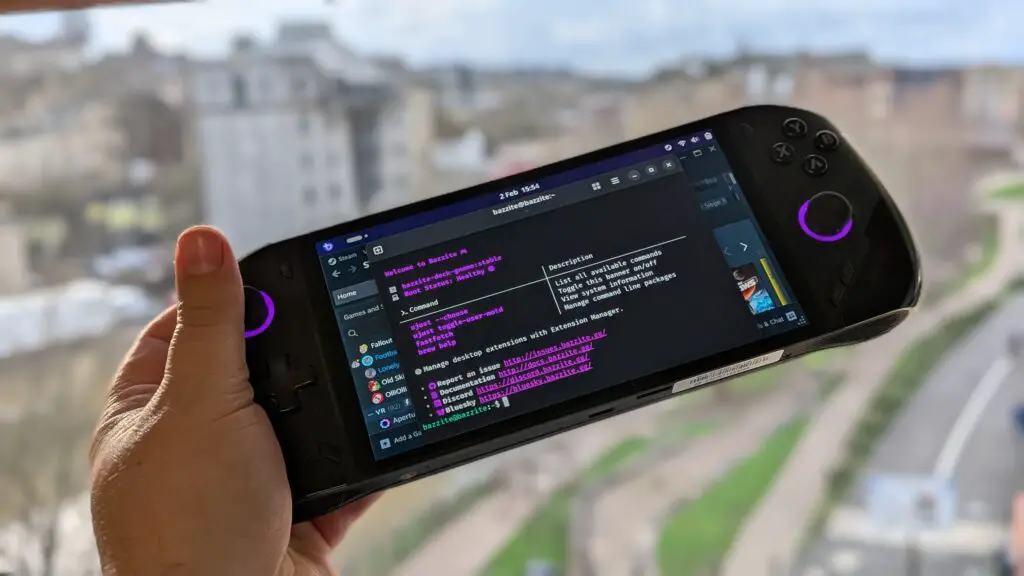
Linux is no longer just a niche playground for developers; it is rapidly transforming into a formidable contender in the world of high-performance gaming. Thanks to Valve’s strategic integration of the open-source operating system into the Steam Deck and the continued evolution of Proton, the conversation around PC games on Linux has shifted from “if” to “when.”
As a software engineer and tech storyteller, I’ve watched this evolution closely. Many enthusiasts are now weighing whether their high-end hardware belongs on a Windows partition or if a Linux distribution can provide a more streamlined, bloat-free experience. While the terminal is still a tool for the power user, the modern Linux desktop is more accessible than ever.
The Data: Are Gamers Actually Making the Leap?
To gauge the pulse of the gaming community, a recent industry survey of 2,333 participants analyzed player intentions regarding their primary operating system. The results highlight a significant shift in sentiment toward open-source platforms.
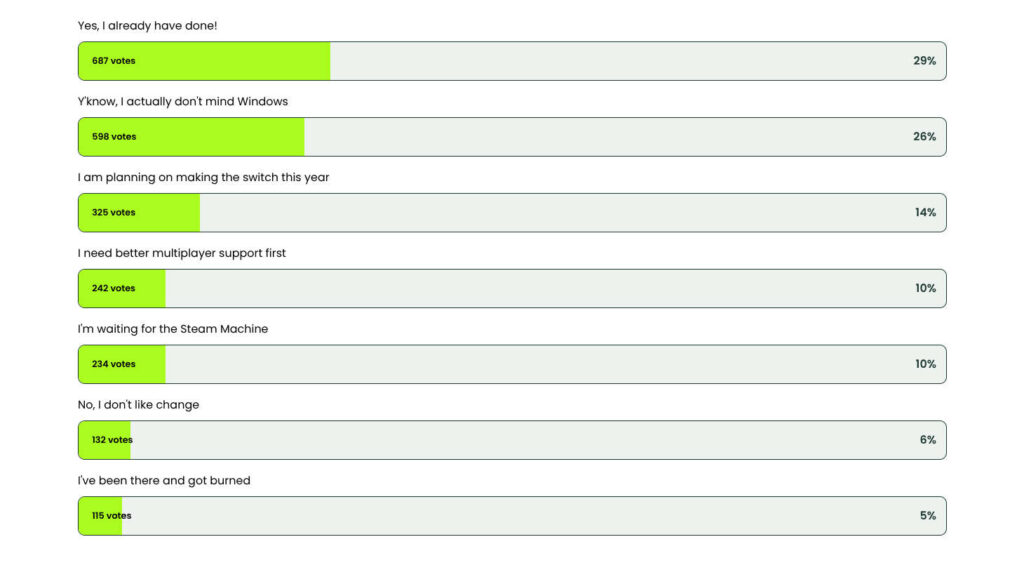
The following data breaks down how respondents view the transition to Linux for their primary gaming needs:
| Participant Status | Percentage of Respondents |
|---|---|
| Already Switched to Linux | 29% |
| Planning to Switch This Year | 14% |
| Satisfied with Windows | 26% |
| Waiting for Better Anti-Cheat/Multiplayer Support | 10% |
| Awaiting New Steam Machine Hardware | 10% |
| Prefer Not to Change Systems | 6% |
| Tried Previously and Had Negative Experience | 5% |
When we combine those who have already migrated with those planning to do so within the year, a staggering 43% of the surveyed community is moving toward gaming on Linux. This represents a massive vote of confidence in the stability of the ecosystem.
Barriers to Adoption: Why Windows Still Holds Ground
Despite the momentum, several hurdles remain. For 26% of users, Windows remains the “gold standard” for its plug-and-play simplicity. However, the more technical roadblocks are found in the 10% of gamers who cited multiplayer game support as their primary concern. This is largely due to kernel-level anti-cheat systems that are often incompatible with Linux environments.
Furthermore, as AI and AI acceleration become more integrated into GPU drivers and gaming software, the race is on for Linux developers to ensure feature parity with Windows technologies like DLSS or specialized Windows-only AI tools.
The Path Forward for Tech Enthusiasts
This data offers a snapshot of an industry in flux. The “Steam Deck effect” has proven that when the software layer (Proton) is robust enough, the underlying OS becomes secondary to the experience. Whether you are a developer looking for better environment control or a gamer tired of OS telemetry, the Linux landscape has never been more inviting.
At Digital Tech Explorer, we value transparency and real-world testing. We encourage you to share your experiences: Have you made the switch, or is there a specific piece of software holding you back from leaving Windows? Let us know in the comments below.
Disclaimer: All content on Digital Tech Explorer is for informational and entertainment purposes only. We do not provide financial or legal advice.
Affiliate Disclaimer: Some of the links on Digital Tech Explorer are affiliate links. This means we may earn a commission if you click through and make a purchase, at no additional cost to you. Our recommendations are based on thorough research and personal experience.