In the fast-paced world of digital innovation, few stories are as compelling as the meteoric rise of Peak. What began as a simple game jam project evolved almost overnight into a viral sensation, captivating hundreds of thousands of players with its unique co-op climbing game mechanics. At Digital Tech Explorer, we often see how small-scale scripts and creative coding can spark global trends, and Peak is a masterclass in that transition from experimental software to a commercial powerhouse.
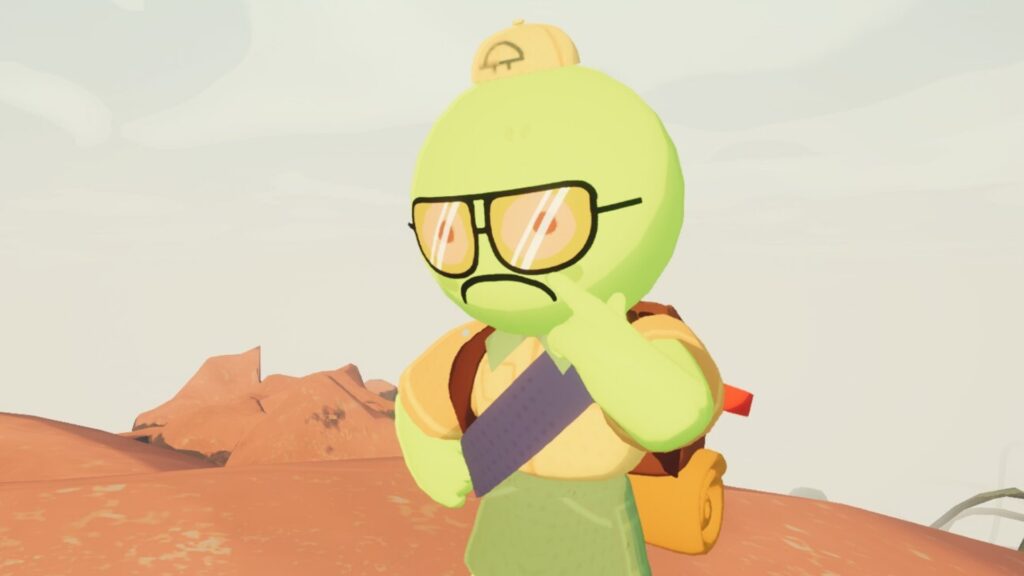
Since its debut, the developers have been diligent in refining the user experience. From “Grapple Mode” to high-stakes 4K resolution updates and whimsical April Fool’s features like the Spartan kick, the game has undergone significant evolution. However, this success has brought a modern tech dilemma: the clash between indie development cycles and the “live service” expectations of a digital-first audience.
Bridging the Gap: Developers Tackle Player Expectations
As a storyteller in the tech space, I’ve observed a growing trend where players expect constant content streams, regardless of a studio’s size. Landfall, the co-developers behind Peak, recently addressed these pressures. They clarified that Peak is not a live service title but a complete experience offered at a highly accessible price point of approximately $8. Despite its indie roots, the volume of post-launch technical support has been staggering.
| Update Type | Quantity Delivered |
|---|---|
| Major Content Updates | 3 |
| Standard Patches | 30+ |
| Hotfixes | 9 |
| Minor Enhancements | 4 |
Landfall emphasized that “any update is a bonus, not a right,” a sentiment that resonates deeply within the software development community. While they recently launched a massive update focused on run customization, they remain committed to the original vision of the game rather than succumbing to the pressure of perpetual development cycles.
The Reality of Independent Software Innovation
Navigating the logistics of a small studio requires a delicate balance of passion and resource management. For Landfall and Aggro Crab, the previous year was a whirlwind of activity, balancing Peak’s launch with projects like Haste, ROUNDS ports, and mobile editions. This “stretched thin” reality is a common narrative for independent developers trying to stay ahead of gaming trends while maintaining technical integrity.
At Digital Tech Explorer, we advocate for transparency in technology. It is vital to distinguish between the resource-heavy infrastructure of AAA AI-accelerated titles and the artisanal approach of indie studios. The expectation of a new “game a year” is often unsustainable for these smaller teams, leading to burnout and a decline in the very creativity that made their titles viral in the first place.
A Sustainable Path Forward
While active development for Peak may eventually slow, the journey is far from over for Landfall. By choosing a “more reasonable pace,” the studio is prioritizing long-term health over short-term hype. This move toward sustainable development is a trend we hope to see more of across the tech and coding landscape.
For tech enthusiasts and developers alike, Peak serves as a reminder that the best products aren’t always those that update every week, but those built on solid foundations and creative risks. Stay tuned to Digital Tech Explorer as we continue to track how these indie pioneers shape the future of PC gaming and digital storytelling.