
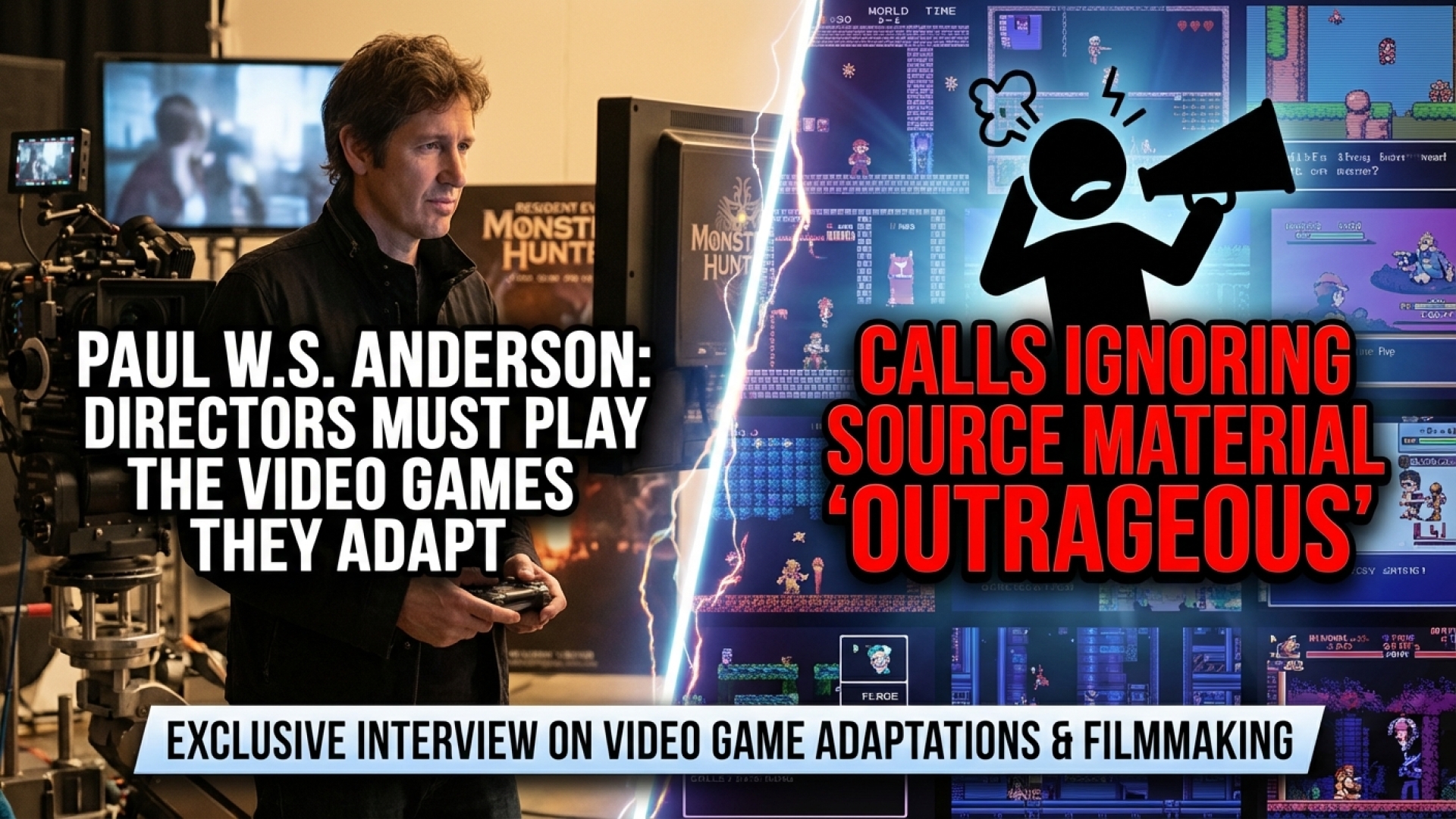
At Digital Tech Explorer, we are constantly analyzing how digital IPs evolve across different mediums. Director Paul W. S. Anderson, a veteran in the realm of video game adaptations, recently shared his philosophy on the intricate process of bringing interactive worlds to the silver screen. Known for helming blockbusters like Mortal Kombat (1995), Resident Evil, and Monster Hunter, Anderson’s insights provide a masterclass in balancing fan expectations with cinematic requirements.
In a recent session on the Post Games podcast, Anderson explored the creative friction inherent in these projects. His dedication to the source material highlights a significant divide in Hollywood: the difference between creators who live the gaming experience and those who merely treat it as a script to be read.

The Director’s Mandate: Authenticity Over Observation
For Anderson, being a genuine fan of the software is non-negotiable. He expressed sharp criticism for directors who take on high-profile gaming projects without ever picking up a controller. He noted the irony in figures like Jason Momoa promoting The Minecraft Movie while admitting to a lack of personal gaming experience.
Anderson draws a parallel to literary adaptations, questioning why a filmmaker would attempt to adapt a masterpiece like War and Peace without reading the book. To him, ignoring the gameplay experience is a disservice to the community that has invested thousands of hours into these digital worlds. “You must possess a profound understanding of the underlying aesthetic,” Anderson argues, ensuring the film’s DNA remains intact.
Translating the Digital Aesthetic to 4K Realism
To capture the soul of a game, Anderson mandates that his production designers and cinematographers immerse themselves in the game’s visual language. This isn’t just about plot; it’s about the “feel” of the camera. Whether it’s the oppressive overhead shots of the early Resident Evil titles or the grid-like layouts that define their tension, these visual cues are essential for maintaining continuity with the original experience.
| Film Project | Source Game | Key Visual Focus | Director’s Strategy |
|---|---|---|---|
| Mortal Kombat | Mortal Kombat (Arcade) | Set Fidelity | Exact recreation of “The Pit” to trigger fan recognition. |
| Resident Evil | Resident Evil (PlayStation) | Atmospheric Tension | Translating “scare factors” like the iconic window-smashing dogs. |
| Monster Hunter | Monster Hunter: World | Scale and Combat | Utilizing 4K resolution standards to emphasize creature size. |
Adaptation vs. Emulation: The Interactive Paradox
While visual fidelity is vital, Anderson warns against the literal translation of mechanics. Video games are active, often spanning 40+ hours of puzzle-solving and exploration. Films are passive, two-hour kinetic journeys. Directly emulating gameplay mechanics—such as the first-person sequence in the 2005 Doom movie—often fails because it strips away the player’s agency.
As we often discuss at Digital Tech Explorer when reviewing PC games, the visceral thrill of a shooter comes from control. Without that control, the audience loses the investment. Anderson’s approach focuses on the emotion of the mechanic rather than the mechanic itself.

The Legacy of Forever Franchises
Anderson views Resident Evil as a “forever franchise.” Much like the evolution we see in AI acceleration or modern hardware, these stories adapt to the technology of the time. He notes that a “straight adaptation” of a game’s plot often robs the audience of genuine surprise. By understanding the core thrill—like the vibration of a PlayStation controller during a jump scare—he aims to recreate that feeling in a way that works for a theater audience.
Ultimately, the success of these adaptations rests on respect for the Intellectual Property. By bridging the gap between complex game systems and cinematic storytelling, Anderson has created a blueprint that continues to influence how digital innovation is portrayed on screen. For more stories on the intersection of tech and entertainment, keep exploring with us at Digital Tech Explorer.