
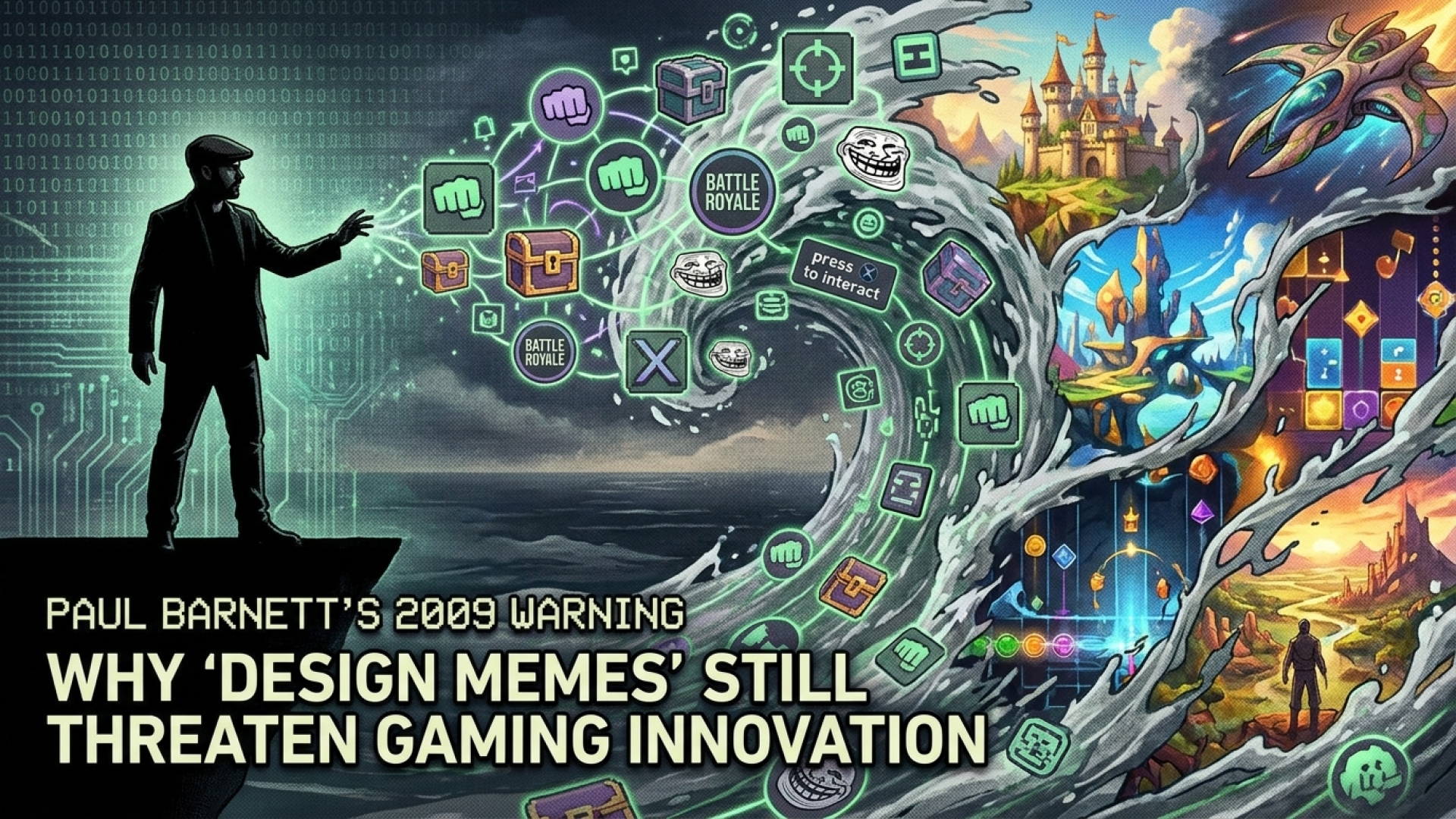
Prescient Warnings: How Paul Barnett’s 2009 ‘Design Memes’ Critique Defined the Modern Gaming Era
In the June 2009 issue of PC Gamer UK, Paul Barnett, then the creative director of the MMO Warhammer Online, opened an interview with a strikingly blunt admission: “I am currently in a bad mood.” His frustration stemmed from a common industry practice—the gifting of books on “how to design computer games.” As we look back from 2024, it is clear that Barnett wasn’t just venting; he was diagnosing a shift in digital innovation that would define the next two decades.

While that interview took place fifteen years ago, Barnett’s critiques of the industry have aged with remarkable accuracy. Long before the current era of “live-service” fatigue and the homogenization of PC games, Barnett warned of the dangers of “design memes” and the stifling nature of consensus-driven development. At Digital Tech Explorer, we often see these same patterns repeating in modern software and hardware cycles.
The Danger of Design Memes
Barnett’s primary argument was that game design was being treated as a pseudo-science. He argued that many designers were simply following patterns laid down by previous hits, creating “memes” that were treated as sacred truths without being tested. This phenomenon has only accelerated with the rise of AI and algorithmic content curation.
“If you have enough gravitational force, well, enough people are going to believe you and your idea becomes consensus driven, and that consensus is limiting. It corrupts the players, the people who bankroll everything… All of a sudden if you have a different idea you can’t get funding.”
In his view, this led to a culture of cloning where unique pitches were forced into recognizable, marketable boxes. He mocked the “movie pitch” style of gaming development where every new project had to be explained as a hybrid of existing successes to even get a meeting with investors. Today, we see this in the endless stream of battle passes and extraction shooters that prioritize “proven” mechanics over creative risk.
Art vs. Business: Finding the Balance
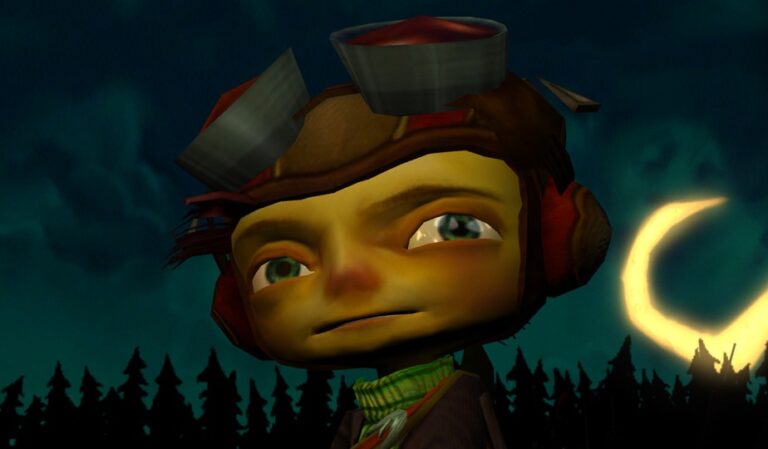
Barnett identified three distinct categories for games: Art, Design, and Business. He noted that while games like Psychonauts were triumphs of art and design, they were often viewed as failures by the industry because they didn’t meet the “business” criteria of the time. This tension remains at the heart of our reviews here at Digital Tech Explorer, where we weigh technical prowess against commercial viability.
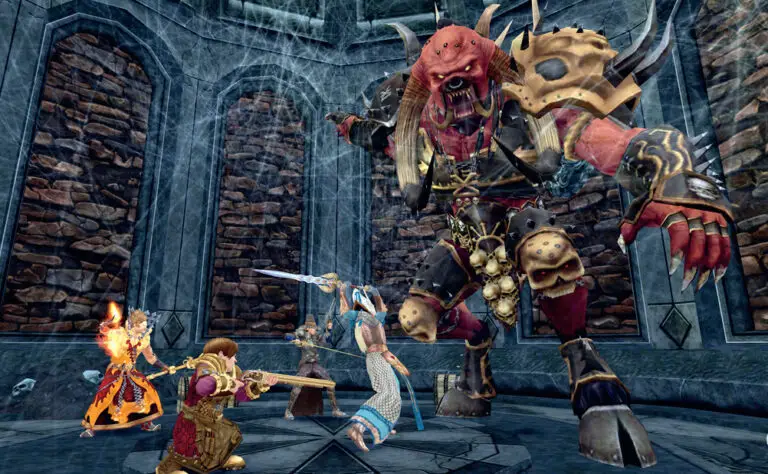
He was unapologetic about the “business” side of Warhammer Online. While the game had artistic ambitions, its primary job was to sustain the studio and provide a stable foundation for the team. This pragmatism didn’t mean he lacked idealism, but rather that he understood the “glorious business” required stability to allow for future indulgence and technical experimentation.
The Path Forward: Ambition Over Ability
One of Barnett’s most enduring pieces of advice focused on the spirit of creation rather than formal training. He expressed deep skepticism toward standardized design courses, arguing that true innovation comes from looking outside the gaming world—at architecture, graphic design, or even children’s play—rather than obsessively self-referencing other hits.
“You should always be happy with three-star ability if you have five-star ambition,” Barnett stated. “Rather smart idiots than stupid geniuses.” This philosophy is a perfect reflection of what we value in the hardware and software worlds: the drive to push boundaries even when the tools are still catching up.
Legacy and the Modern Era
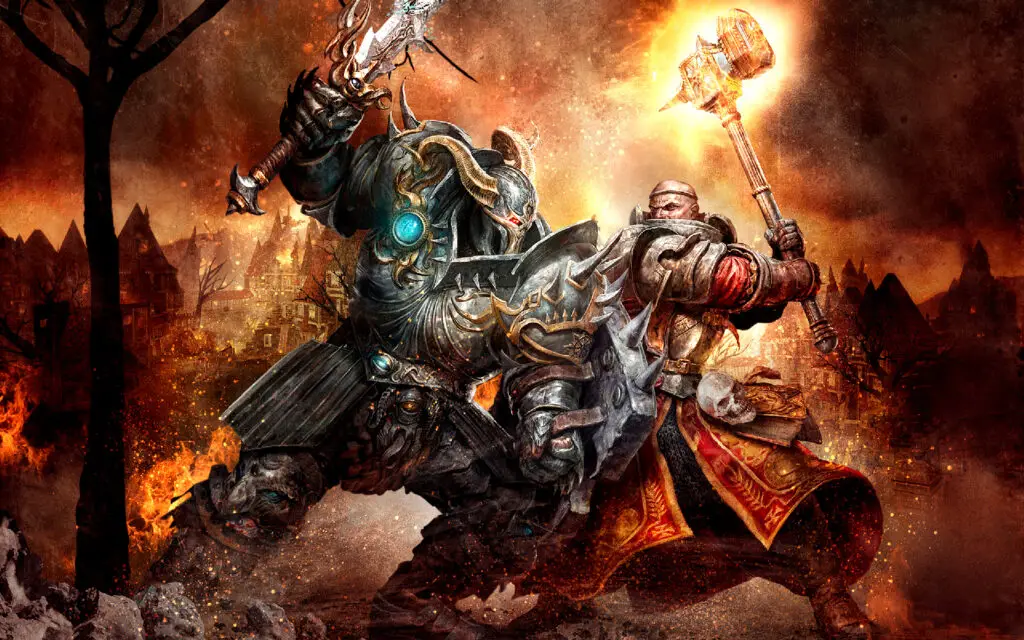
Though Warhammer Online eventually shut down in 2013, Barnett’s career path followed the business stability he advocated for. He eventually joined Wargaming, becoming the chief creative officer on the global hit World of Tanks, applying his philosophy to one of the most successful digital products in the world.
As we look at the industry in 2024 and beyond, Barnett’s 2009 warnings serve as a vital reminder for developers and tech enthusiasts alike. When the industry stops taking risks and starts obsessing over “fun matrices,” it loses the very spark that makes technology and gaming special. Staying ahead of these trends requires the kind of “five-star ambition” Barnett championed fifteen years ago.