
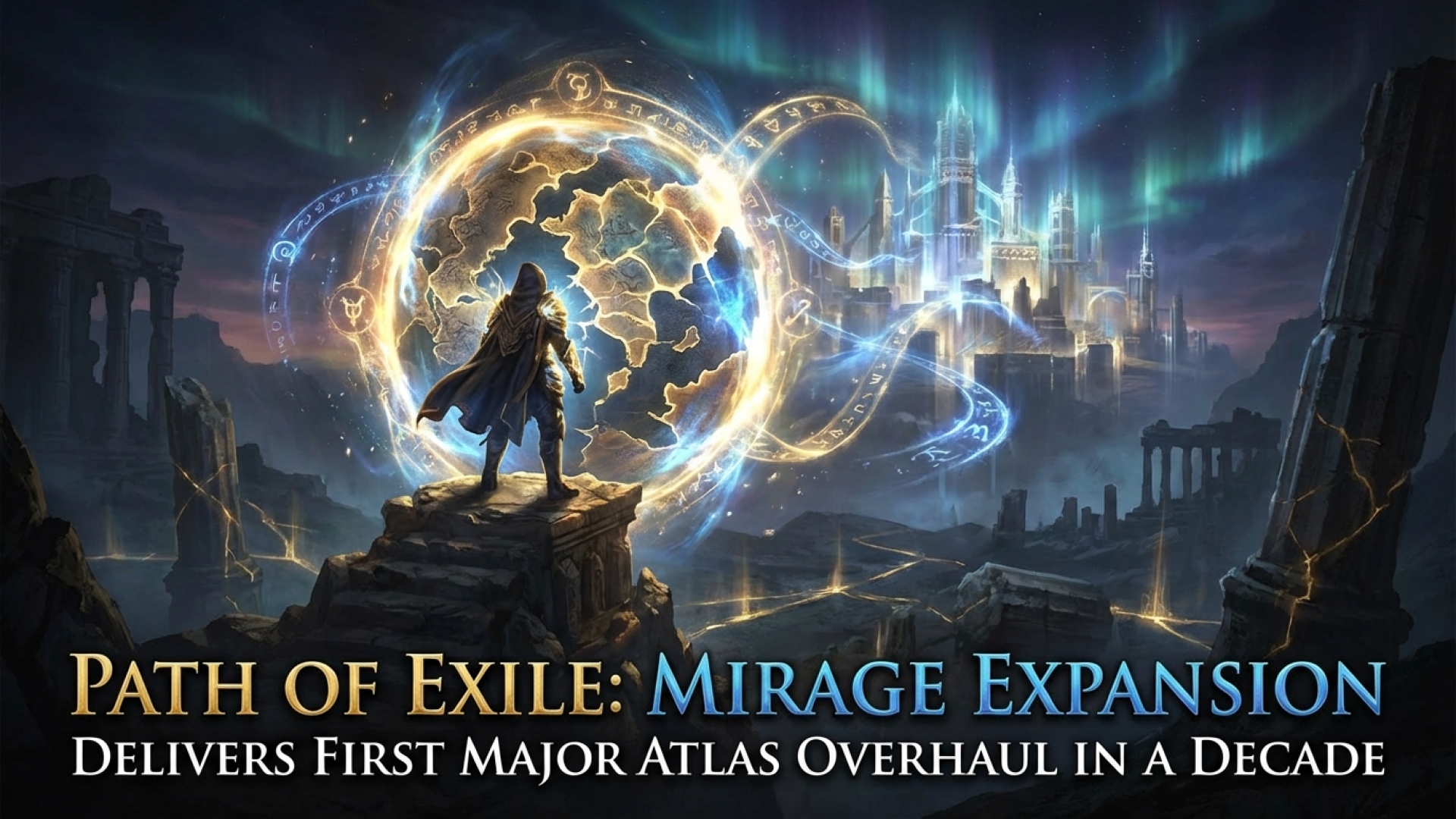
For over a decade, the Path of Exile Atlas of Worlds has served as the gold standard for ARPG endgame design. Here at Digital Tech Explorer, we’ve tracked how this intricate progression system—defined by escalating difficulty and deep customization—has influenced the broader gaming landscape, inspiring titles like Last Epoch and Diablo 4. As a platform founded by software engineers, we appreciate the complex “skill tree” logic that Grinding Gear Games (GGG) has perfected to keep players engaged for thousands of hours.

The Evolution of a Decade-Old System
Since its 2016 debut, the Atlas system remained largely untouched, following the philosophy of “if it isn’t broken, don’t fix it.” However, as TechTalesLeo often highlights in our deep-dive analyses, innovation is the only way to prevent stagnation. While the upcoming Path of Exile 2 introduces a procedurally generated, endless map web, many veteran players remain fiercely loyal to the structured progression of the original. The challenge for GGG was clear: modernize the classic experience without alienating the core audience.
Mirage Expansion: Bridging the Gap
The upcoming Mirage expansion represents a significant pivot. GGG is selectively integrating high-level concepts from the sequel into the current PC games ecosystem. The most notable shift is the removal of specific map keys. Following the logic of PoE 2, keys are now generic currency used to unlock nodes on the Atlas. This streamlines the technical flow of the endgame, allowing players to focus on combat and strategy rather than inventory management.
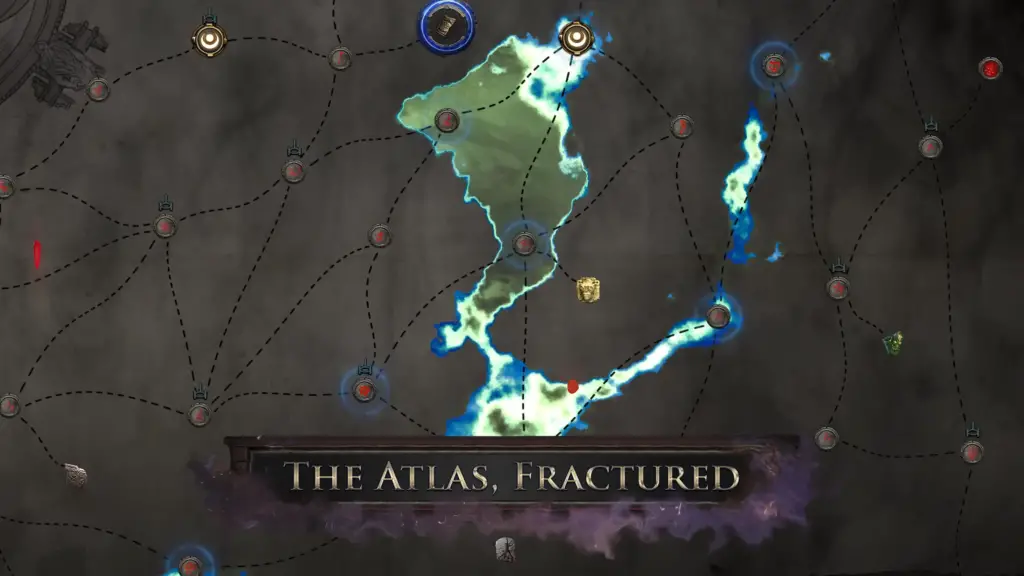
To help our readers understand the scope of these changes, we’ve broken down the key differences between the legacy Atlas and the new Mirage system:
| Feature | Legacy Atlas (PoE 1) | Mirage Expansion Atlas |
|---|---|---|
| Map Access | Specific individual map keys required. | Generic keys used to open Atlas nodes. |
| Progression | Linear tier-based climbing. | Node-based exploration with “points of interest.” |
| Regional Modifiers | Limited to specific stones/sextants. | Astrolabes influencing entire map sections. |
| Accessibility | High barrier to entry for new players. | Streamlined for campaign-to-endgame transition. |
Astrolabe Items: A New Layer of Challenge
A standout feature in Mirage is the Astrolabe. These items function as technical modifiers that create “rifts” across the Atlas, applying specific buffs and difficulty spikes to entire clusters of maps. For the software-minded player, this represents a more “directed” algorithm for loot generation. Instead of random variance, Astrolabes allow players to target specific league mechanics and scale their rewards through deliberate, incremental difficulty increases.
The Road to Path of Exile 2
As Digital Tech Explorer continues to monitor the latest releases, it’s evident that Mirage is a live-service testing ground. The successes of these “fractured” Atlas mechanics will almost certainly inform the massive endgame overhaul scheduled for Path of Exile 2 this April. While the sequel promises a broader scope, the Mirage expansion ensures that the original game remains a powerhouse in the ARPG genre.

The Path of Exile: Mirage expansion launches on March 6. Whether you are a seasoned developer looking at the game’s systems or a player ready for the grind, this update marks a new chapter in digital innovation for the franchise.
Affiliate Disclaimer: Some of the links on Digital Tech Explorer are affiliate links. This means we may earn a commission if you click through and make a purchase, at no additional cost to you. Our recommendations are based on thorough research and personal experience.