
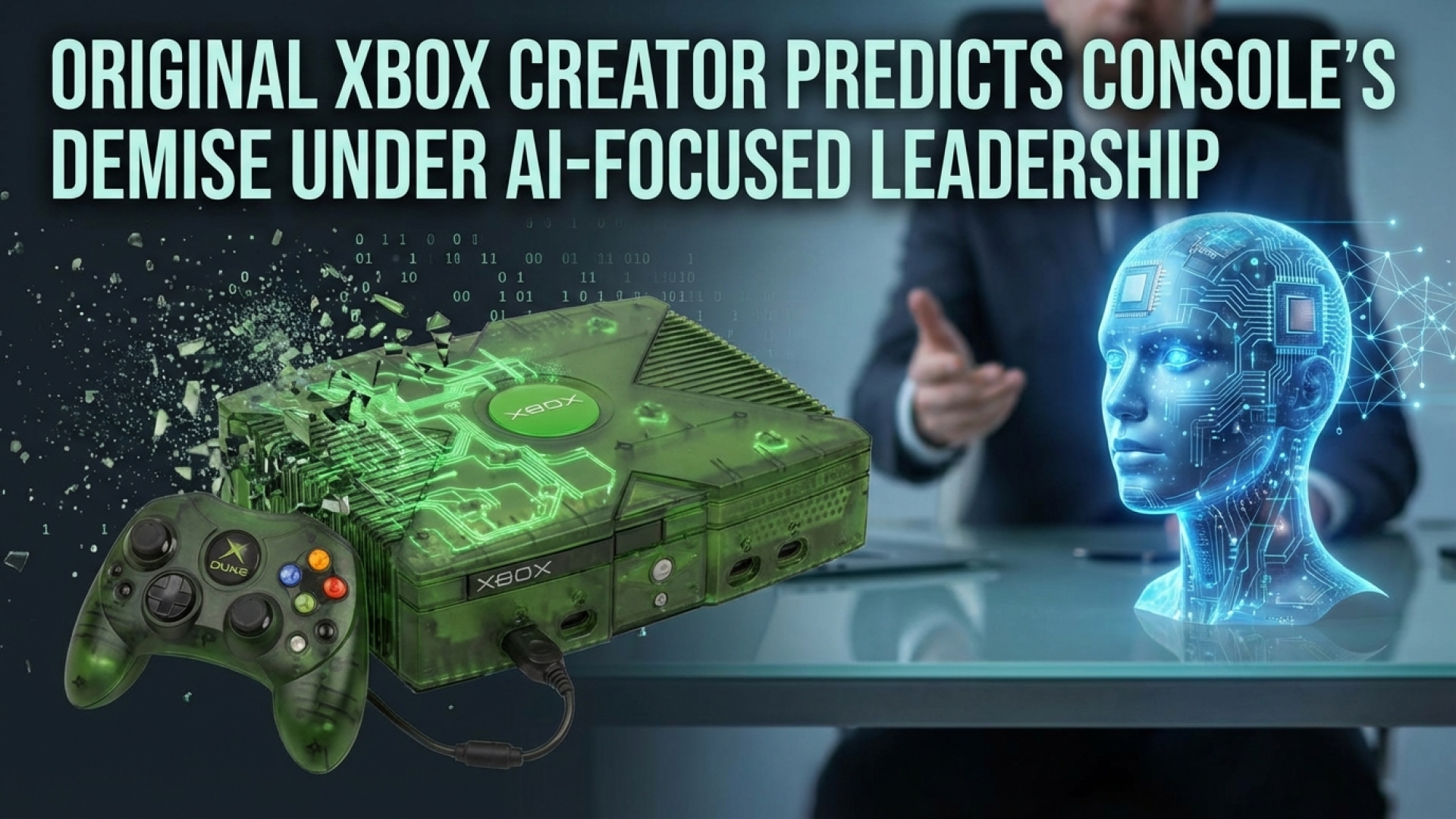
The gaming industry is currently navigating a period of unprecedented transformation, and at Digital Tech Explorer, we are closely tracking the tectonic shifts occurring within Microsoft’s gaming division. In a series of events that has caught even seasoned analysts off guard, the sudden retirement of Xbox boss Phil Spencer and the unexpected resignation of Xbox president Sarah Bond have signaled the end of an era. In their wake, Asha Sharma—a former Instacart executive who joined Microsoft only in 2024—has been elevated to Microsoft Gaming CEO. For a community built on coding, hardware innovation, and digital storytelling, this leadership pivot raises a fundamental question: Is Xbox evolving, or is it being phased out?
The “Palliative Care” Theory: A Founder’s Warning
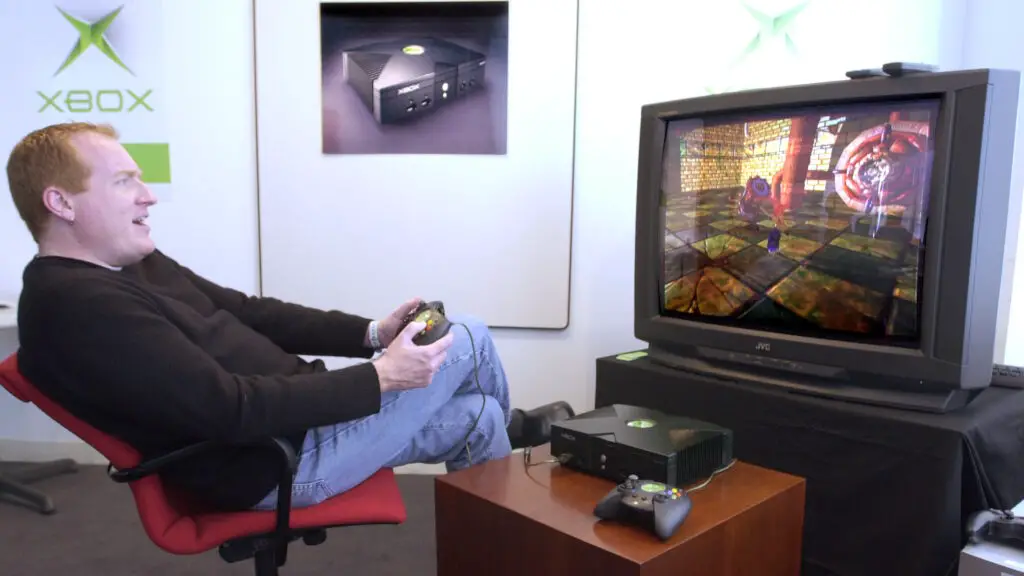
As a tech storyteller, I often look back at the origins of a platform to understand its future. Seamus Blackley, famously known as the “Father of the Xbox” for his role in launching the original console in 2001, recently shared a somber perspective on these developments. While Blackley has been away from the halls of Redmond since 2002, his insight into Microsoft’s corporate DNA remains sharp.
In a recent discussion with GamesBeat, Blackley suggested that Xbox might be entering a “sunset” phase. He colorfully described Asha Sharma’s new role not as a growth-focused pioneer, but as a “palliative care doctor” tasked with guiding the Xbox brand gently into a secondary role within the broader Microsoft ecosystem.
Leadership Shift: From Passion to Platforms
To understand why this shift is happening, we have to look at the profile of the new leadership. At Digital Tech Explorer, we emphasize the importance of background and expertise in shaping tech products. Sharma’s history at Instacart and Meta suggests a focus on scaling platforms and optimizing business models rather than the creative “auteur” approach often associated with game development.
| Executive | Previous Focus | New Direction/Role |
|---|---|---|
| Phil Spencer | Gaming Culture & Hardware | Retired |
| Sarah Bond | Ecosystem & Partnerships | Resigned |
| Asha Sharma | AI, Platforms & Global Scaling | Microsoft Gaming CEO |
According to Blackley, Microsoft CEO Satya Nadella’s vision is clear: Artificial Intelligence is the gravity around which every other business unit must orbit. Blackley posits that “AI will subsume games,” and that the focus on platform management over gaming passion is a deliberate strategic move to align Xbox with Microsoft’s overarching AI-first agenda.
AI Acceleration vs. Creative Integrity
One of the biggest concerns for developers and enthusiasts is whether AI acceleration will lead to a loss of the “soul” in gaming. Blackley argues that the current corporate strategy favors efficiency and data over the creative risks that historically defined the Xbox brand. He believes the traditional model of game artistry is increasingly at odds with a business model built on global scale and AI-driven automation.
In her first public statements, Sharma has attempted to quell these fears. She has voiced a “renewed commitment to Xbox,” specifically mentioning the importance of the console and promising that the ecosystem would not be flooded with “soulless AI slop.” However, Blackley remains skeptical, noting that such promises are standard for incoming executives and rarely survive the pressure of long-term corporate mandates.
A New Identity for Xbox?
The future of Xbox hardware and software remains in a state of flux. While some hope for a powerful next-generation console that can reclaim market dominance from competitors, others fear a decline similar to Amazon’s Luna, which has struggled to find its footing despite immense resources.
As we continue to explore the intersection of gaming and technology here at Digital Tech Explorer, the story of Xbox under Asha Sharma will be a defining narrative. Whether this leadership change leads to a revolutionary AI-integrated gaming platform or the gradual fading of a hardware giant, the impact on the industry will be profound. For now, the “Father of the Xbox” has sounded the alarm; it remains to be seen if Microsoft will prove him wrong.