
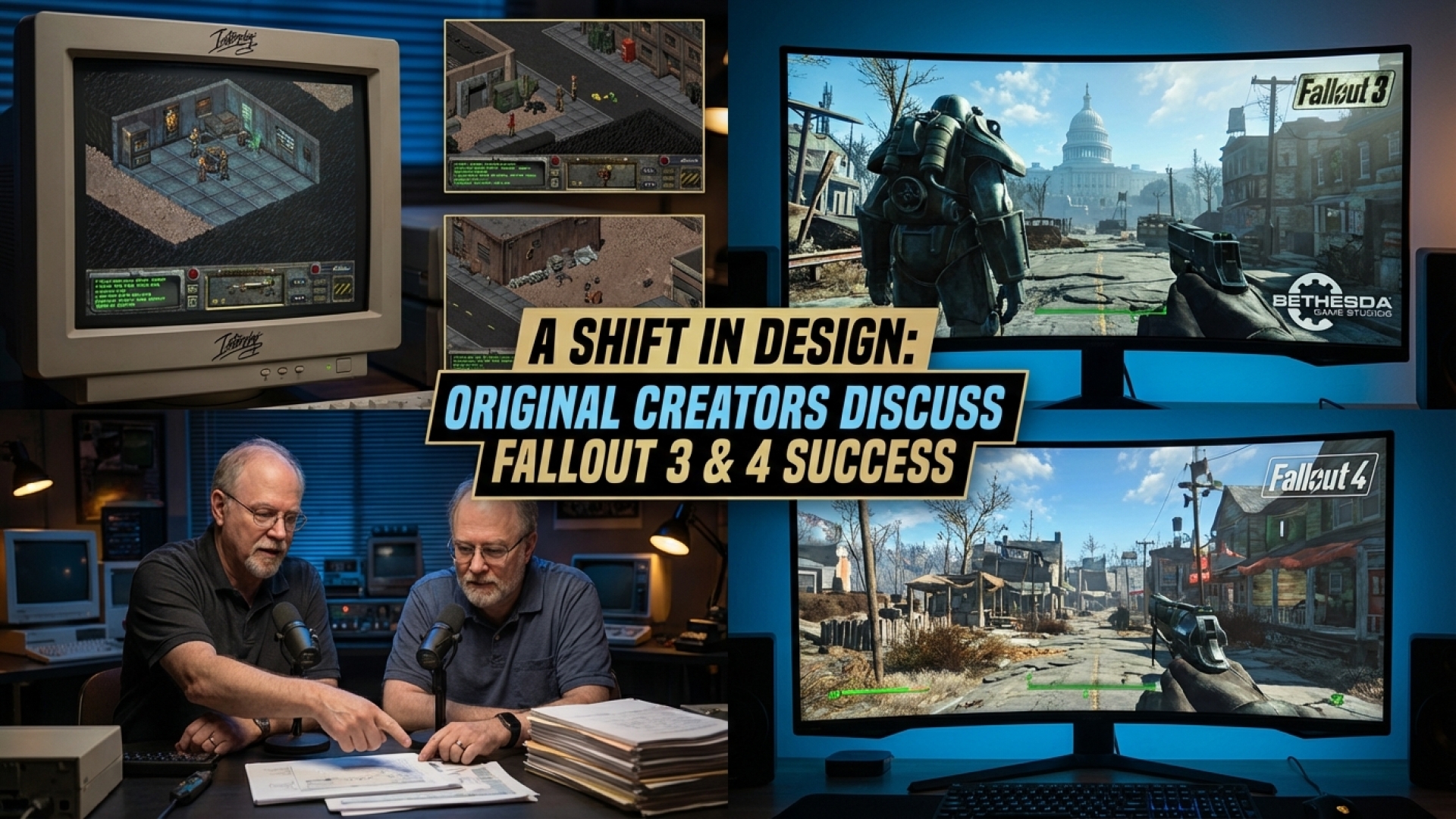
It might be a controversial observation in the world of hardcore role-playing games, but Bethesda has undeniably transformed the Fallout franchise into a global juggernaut. Even as the series drifts further from its isometric, choice-heavy roots toward a more streamlined action-RPG experience, its commercial success is impossible to ignore. While some veterans of the Wasteland might miss the complexity of the original titles, the numbers tell a story of massive mainstream appeal.
As a storyteller who follows digital innovation closely, I find the evolution of Fallout to be a fascinating case study in brand transformation. Bethesda’s approach—prioritizing world-building and accessibility—has resulted in a “bajillion” dollars in revenue and a critically acclaimed hit TV series. It raises a compelling question for developers and tech enthusiasts alike: what is the right balance between honoring a legacy and chasing modern scale?

Original Creators Weigh In on Bethesda’s Fallout Direction
This shift in direction was a central theme in a recent deep-dive oral history from Game Informer, which gathered insights from nearly everyone who has touched the series. This included Tim Cain and Leonard Boyarsky, the visionary minds who created the Fallout universe long before it transitioned to Todd Howard and the modern Bethesda team.
Cain shared a diplomatic but insightful perspective: “I like what [Bethesda] has done.” However, he noted the clear divergence in philosophy. “It’s not what I would have done. I know Leonard and I especially, we talk about these things a lot. We would have gone in a different direction, but obviously, sales say people love what they did.” Cain pointed to his own collection of Fallout goodies—spanning from the original 1997 release to the modern sequels—as proof of the franchise’s enduring reach.
Fallout 3 vs. Fallout 4: The Evolution of RPG Focus
For many players, the friction lies in how much “RPG” is actually left in the game. Boyarsky noted that while he enjoyed both Fallout 3 and Fallout 4, he saw a distinct shift in priorities. “I felt like where they were going with some of the art stuff was really cool in Fallout 4. I thought Fallout 3 was really good for what it was looks-wise, although it had that signature green overcast.”
From a design standpoint, Boyarsky argues that Fallout 3 remained closer to the original spirit of the series. “Fallout 3, for me, was much closer to what we would have done with it in terms of RPG-ness, as opposed to something like Fallout 4, where they moved away from it a bit.” At Digital Tech Explorer, we often see this trend in the gaming hardware and software space: as tech becomes more powerful, developers often trade mechanical complexity for visual fidelity and “snappy” user experiences to capture a wider audience.
The Enduring Aesthetic of the Fallout Universe
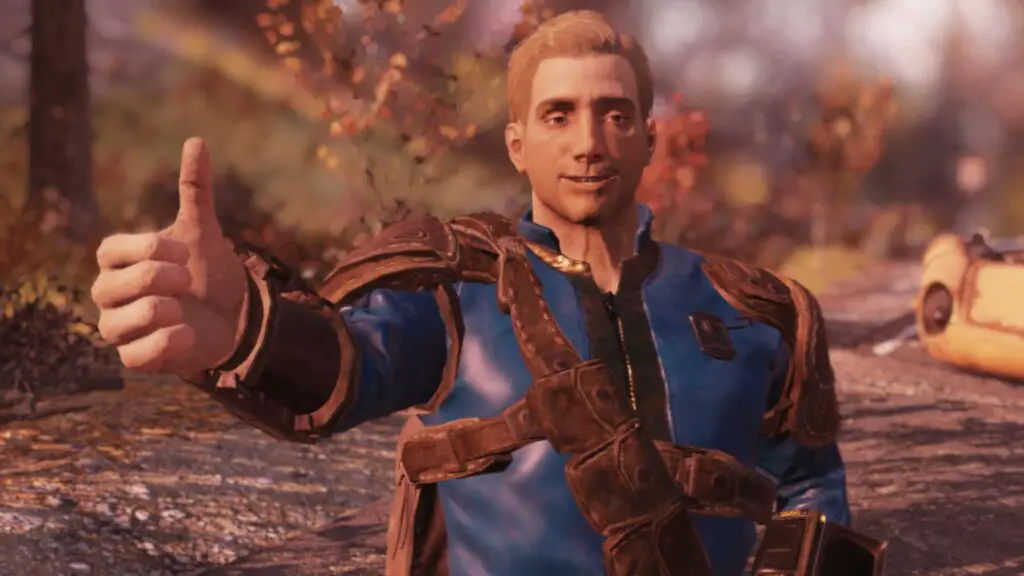
Brian Fargo, the founder of Interplay Productions (the studio behind the original 1997 classic), concurs that Bethesda’s greatest strength has been capturing the “soul” of the world. He credits the studio for treating the games with the same reverence for atmosphere found in the 2024 Amazon series.
“[They said] ‘Let’s focus on the world’s sensibilities and feeling. And if we nail that, then the audience who came from before will appreciate it,’” Fargo explained. He noted that whether it was the music, the retro-futuristic art style, or the general “vibe,” Bethesda placed those elements at the forefront of Fallout 76, Fallout 4, and the TV show.
While the “crunchy,” complex RPG mechanics of the past may have been sidelined, the aesthetic consistency has allowed the franchise to thrive across multiple mediums. As we continue to track the intersection of storytelling and digital innovation, Fallout stands as a testament to the power of a strong brand identity—even when the underlying technology and gameplay loops undergo a total transformation.