

The narrative surrounding the global chip market took a sharp turn recently when the UK’s Telegraph reported that “spending cuts at OpenAI have hit memory chip prices.” For those of us tracking the hardware landscape here at Digital Tech Explorer, this suggests a potential reprieve for consumers who have been squeezed by soaring costs. But as we dive deeper into the data, is this a true market correction or merely a temporary fluctuation in a volatile era?
The backstory involves a series of high-profile pivots by OpenAI. As TechTalesLeo has observed, the company recently discontinued its Sora video-generation tool and scrapped a multi-billion-dollar agreement with Oracle intended to expand the Stargate data center in Texas. Whether these moves are defensive financial measures or a strategy to polish the balance sheet for a future stock market flotation, the result is a cooling demand for the high-performance memory chips that have defined the AI infrastructure boom.
Analyzing the Current Memory Market
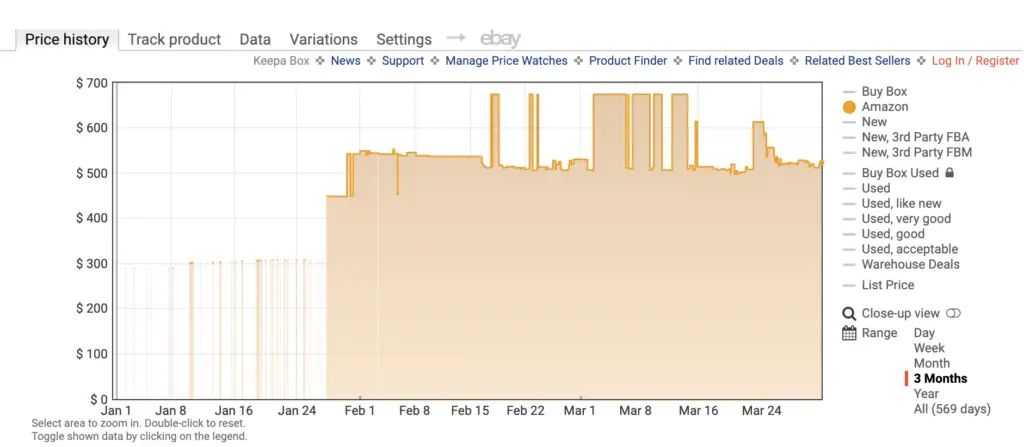
According to market analyst Trendforce, we’ve witnessed a staggering 700% increase in memory prices over the past year. This surge directly impacted the cost of consumer-grade DDR5 RAM kits. While some reports suggest prices on platforms like Amazon have dropped by $100 from their peak, our analysis reveals a more complex story of market volatility.
To provide a clearer picture of these price shifts, let’s look at how specific high-demand kits are currently trending compared to their peak costs:
| Memory Kit Model | Peak Price (Recent) | Current Market Price | Status |
|---|---|---|---|
| Corsair Vengeance RGB 32 GB DDR5 | $410 (December) | $370 | Gradual Decline |
| Kingston 16 GB DDR5 Kit | $350 | $261 | Inconsistent Availability |
| Kingston 32 GB DDR5 Kit | $657 | $515 | Fluctuating Lower-End |
While these numbers show a downward movement, it is difficult to declare a definitive end to the price hikes. Any shifts resulting from OpenAI’s reduced spending will likely take several months to fully manifest in the retail gaming and workstation markets.
Market Uncertainty and Emerging Demands
At Digital Tech Explorer, we often question whether these price spikes are driven by actual scarcity or by speculative “panic buying.” If market sentiment is the primary driver, then OpenAI’s retreat could act as a catalyst for a broader price correction. However, structural issues in the supply chain might keep prices elevated.
Adding another layer to this tech tale is the shifting focus of AI itself. As the industry moves from training massive models to “inference”—the day-to-day running of AI agents—the demand for GPUs and high-speed memory remains critical. Furthermore, a CPU shortage is reportedly emerging, further complicating the hardware landscape in 2024.
New technologies are also waiting in the wings to consume any excess supply. Micron recently predicted that humanoid robots and autonomous vehicles could soon require up to 300 GB of RAM each. On the flip side, innovations in machine learning algorithms—like Google’s new solution that claims to reduce AI memory overhead by six times—could provide the breathing room the industry desperately needs.
Final Thoughts from Digital Tech Explorer
While OpenAI’s spending cuts are a significant headline, they are just one piece of a global puzzle. From geopolitical tensions affecting helium supply (vital for chip manufacturing) to the relentless march of autonomous tech, the memory market remains in a state of flux.
For the tech enthusiast and professional alike, the most prudent path is to keep a close eye on these trends before committing to major hardware upgrades. TechTalesLeo and the team here will continue to track these shifts to help you make informed decisions in an ever-changing digital world.