
China Greenlights Nvidia H200: A New Chapter in the Global AI Power Play
By TechTalesLeo – Senior Contributor at Digital Tech Explorer
The global landscape for AI acceleration just shifted. Recent reports from Reuters and the Wall Street Journal have confirmed that Chinese authorities have officially approved imports of the Nvidia H200 GPU. This isn’t just a routine trade update; it’s a pivotal moment in the ongoing technological tug-of-war between the world’s two largest economies.
Unlocking the ‘Full-Fat’ Hopper Power
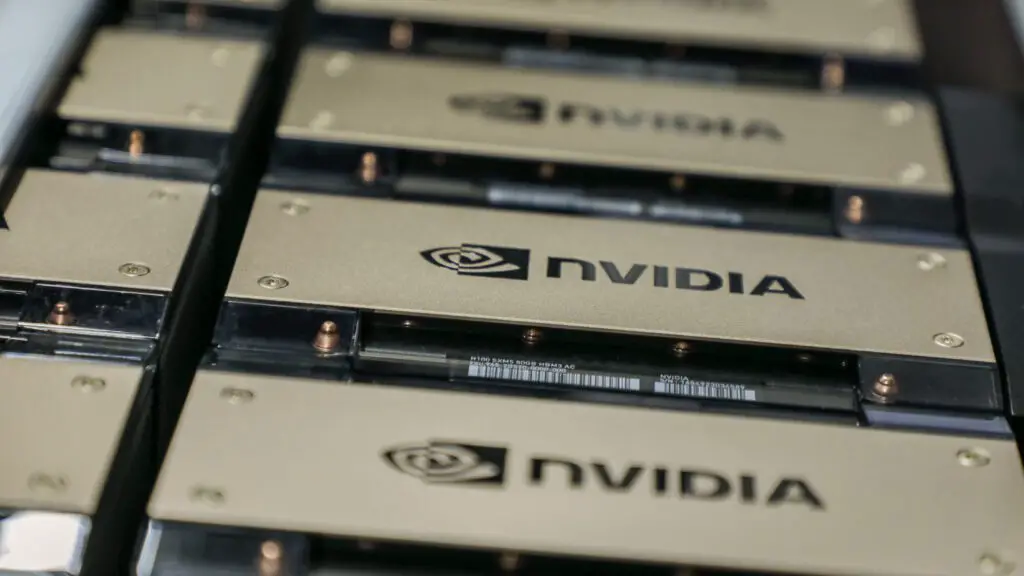
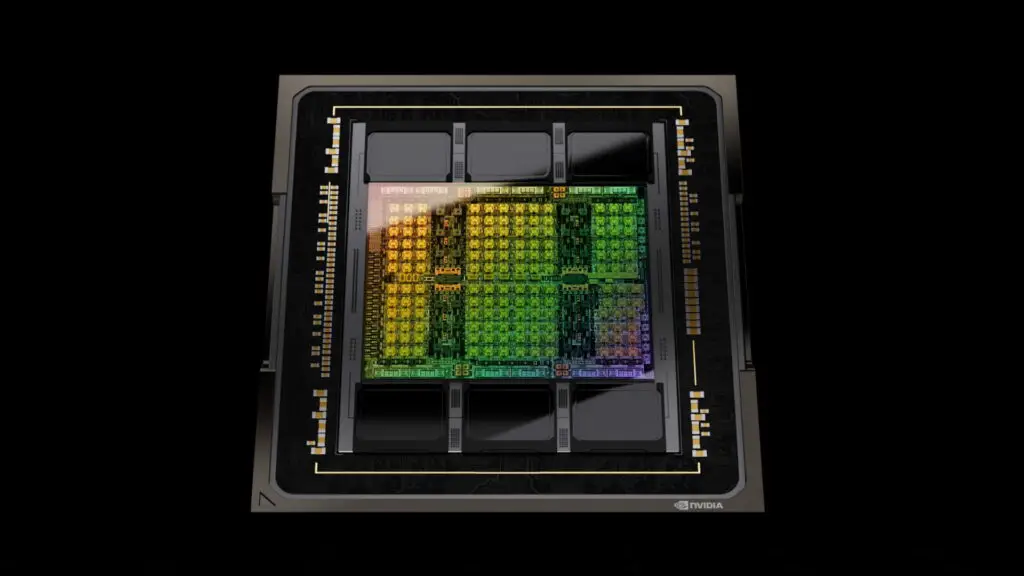
For the uninitiated, the H200 represents a massive leap in capability. Unlike the restricted “H20” models—which Nvidia specifically engineered to meet previous export limitations—the H200 is a “full-fat” Hopper-generation chip. It offers significantly higher memory bandwidth and capacity, making it a critical asset for training Large Language Models (LLMs).
While the H200 is a current titan, it’s worth noting that the tech world moves fast. At Digital Tech Explorer, we are already tracking the upcoming Blackwell architecture (including the B200) and the highly anticipated Rubin platform, which is expected to begin shipping in late 2024.
Comparing the Tiers: Nvidia’s Strategic Lineup
| Model | Architecture | Target Market | Status |
|---|---|---|---|
| H20 | Hopper (Restricted) | China (Compliance focused) | Currently Shipping |
| H200 | Hopper (Full-Fat) | Global High Performance | Recently Approved for China |
| B200 | Blackwell | Next-Gen Enterprise | Rolling out 2024-2025 |
Market Impact and Production Restart
The financial stakes are staggering. China has historically accounted for nearly 13% of Nvidia’s total revenue. Following this green light, Nvidia CEO Jensen Huang announced an immediate restart of the supply chain for H200 GPUs destined for China. Huang confirmed that orders are already flooding in from major Chinese customers, signaling a rapid resumption of business in a region that was previously cooled by strict regulations.
The 75,000 Unit Cap: A New Regulatory Hurdle?
The story doesn’t end with approval. The US government is reportedly weighing a plan to implement specific export caps on advanced AI chips. Under these proposed rules, individual Chinese customers might be limited to 75,000 units of the H200. This cap wouldn’t just affect Nvidia; competitors like AMD would likely face similar restrictions, creating a complex logistical puzzle for Chinese tech giants looking to scale their data centers.
China’s Strategic Dilemma
China finds itself in a difficult position. To stay competitive in the machine learning race, they need immediate access to American silicon. However, the long-term goal remains self-sufficiency. By allowing these imports, China buys time to develop its domestic semiconductor industry while ensuring its tech leaders have the tools necessary to innovate today.
At Digital Tech Explorer, we see this as more than just a hardware transaction—it is a delicate geopolitical dance. As the AI race intensifies, the flow of GPUs remains the most watched metric in the industry. Whether these caps will hold or be circumvented is the next big story we’ll be following closely.