
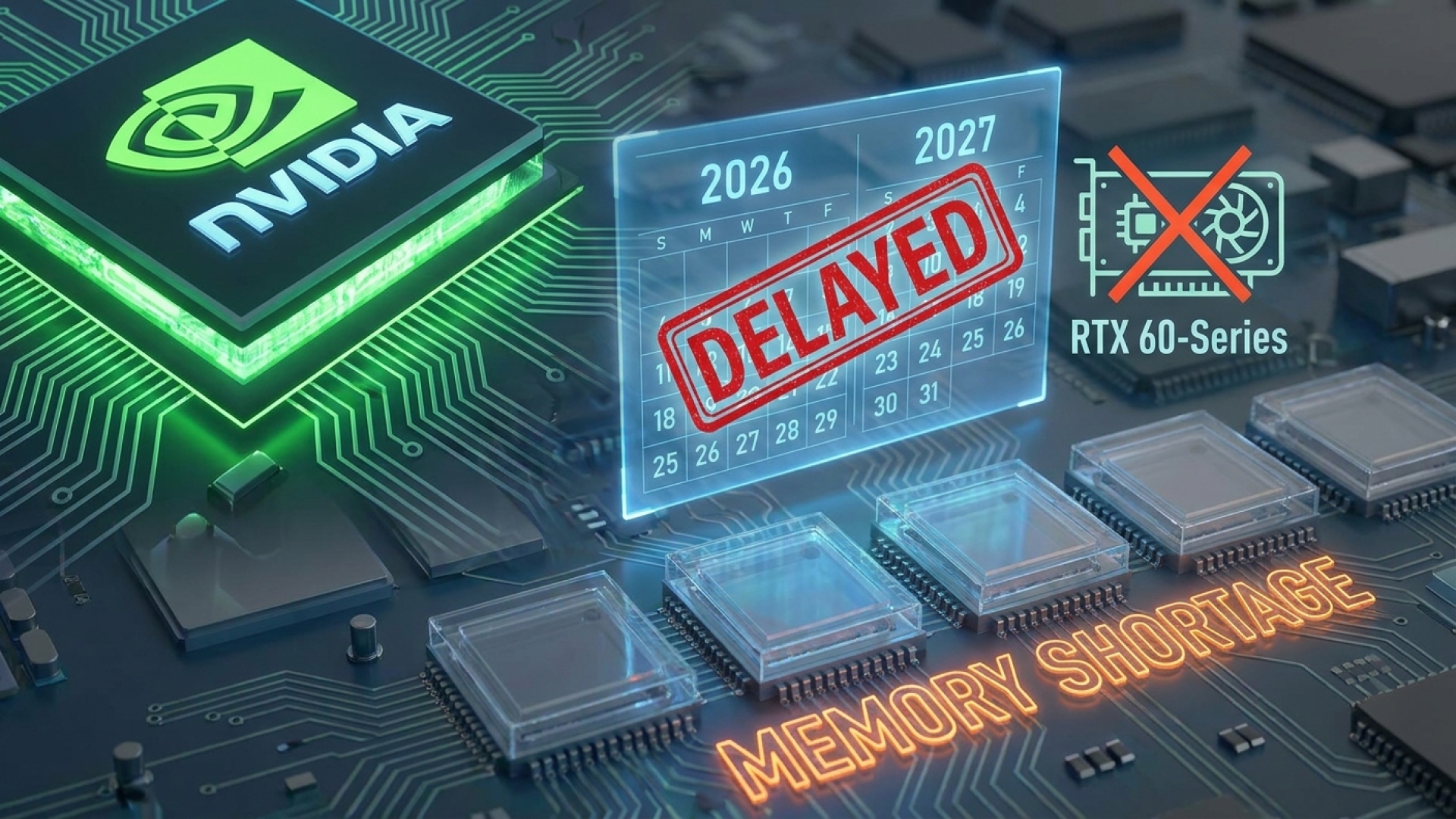
The heartbeat of the high-performance gaming world is skipping a beat. According to a recent report from The Information, enthusiasts and developers alike are facing a significant drought in hardware innovation. Nvidia, the titan of the graphics industry, is reportedly stepping back from the release cycle, with no new gaming graphics cards planned for 2026. This ripple effect extends even further: the highly anticipated RTX 60-series GPUs have seen their production timelines shifted, with mass manufacturing now pushed back from late 2027 into the distant horizon of 2028.
The Memory Crisis: Why Silicon is Stalling
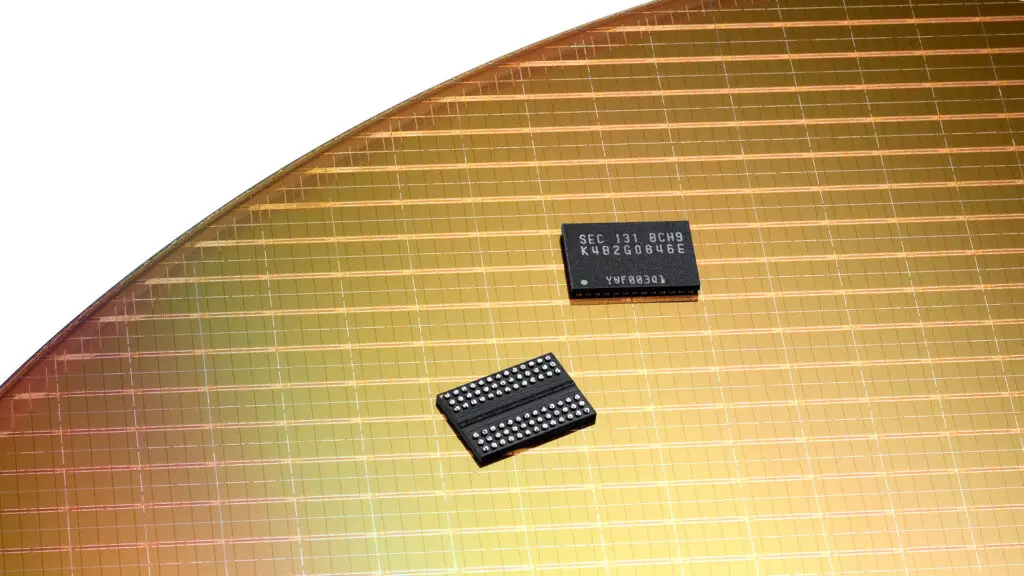
At Digital Tech Explorer, we keep a close eye on the supply chain constraints that dictate the future of our builds. The root of this multi-year delay isn’t a lack of engineering ambition, but a severe global memory shortage. Currently, the insatiable demand of the AI server market is devouring the world’s supply of high-bandwidth DRAM modules. For consumer-grade hardware, this creates a “resource vacuum,” where the VRAM needed for next-gen gaming is being redirected to enterprise-level machine learning clusters.
Impact on Current and Future Nvidia GPUs
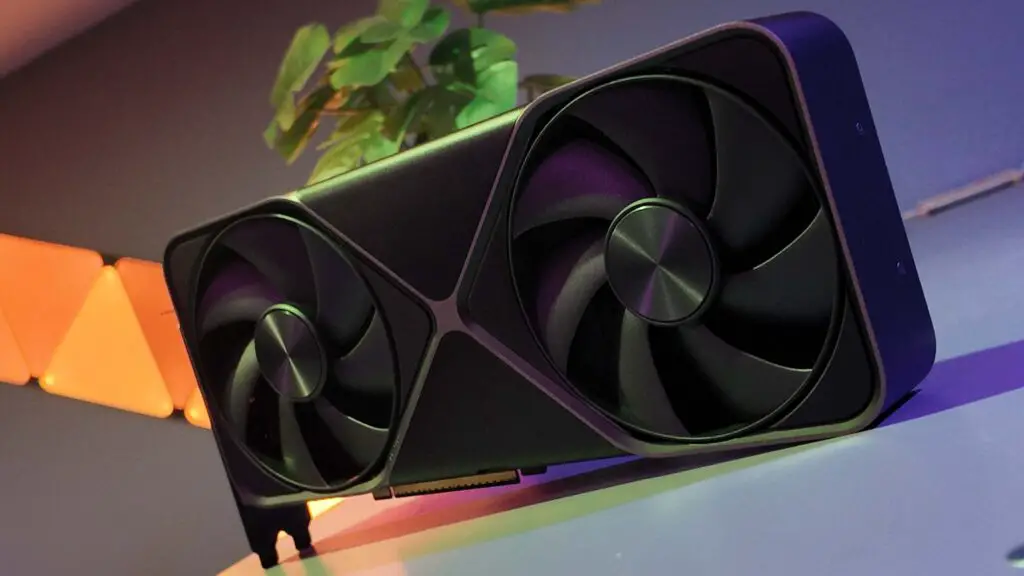
For those of us hoping for a mid-cycle boost, the news is sobering. While whispers once suggested a Super refresh of the Blackwell (50-series) architecture, those plans are evaporating under the heat of the VRAM crisis. Previous industry leaks pointed toward an 18 GB RTX 5070 Super and a 24 GB RTX 5080 variant. These cards would have relied heavily on 3 GB GDDR7 modules—the very components currently in shortest supply.
From a technical standpoint, the RTX 50-series already offers impressive overclocking headroom. Introducing expensive, VRAM-heavy Super variants at even higher price points makes little economic sense for Nvidia, especially when the baseline models are already commanding premium market positions. Consequently, the strategy has shifted from expansion to preservation.
Recent data suggests Nvidia is preparing to scale back gaming GPU production by up to 40% through 2026. This isn’t just a memory issue; TSMC’s limited manufacturing capacity is also being prioritized for high-margin AI chips. There are even reports that Nvidia may stop bundling VRAM with their chips for board partners (AIBs), forcing manufacturers to source their own memory in an increasingly hostile market.
A Look at the Roadmap: The Long Wait for Next-Gen
The push for the RTX 60-series into late 2027 or 2028 creates an unusually long gap in the hardware cycle. By the time these cards hit the shelves, Nvidia’s post-Rubin architecture, codenamed Feynman, will likely already be making waves in the AI sector. The consumer market is essentially being asked to wait for the memory ecosystem to stabilize.
| Hardware Generation | Status / Projected Release | Key Constraint |
|---|---|---|
| RTX 50-Series (Blackwell) | Current Market Leader | High Production Costs |
| RTX 50-Series “Super” Refresh | Likely Canceled / Indefinitely Delayed | GDDR7 VRAM Scarcity |
| RTX 60-Series | Mass Production Late 2027/2028 | DRAM Supply Shortage |
| Feynman Architecture | Expected 2028 (AI-First) | Fabrication Capacity |
Industry analysts at BISI suggest that the DRAM market won’t see significant relief until 2027. While giants like SK Hynix, Samsung, and Micron are building massive new fabrication plants, these facilities take years to become fully operational.
What This Means for the PC Enthusiast
As a storyteller in the tech space, I always look for the silver lining, but the current narrative for PC gamers is one of patience and preservation. If you are currently sitting on a modern 30 or 40-series card, or have managed to secure a 50-series unit, hold onto it tightly. The prospect of future supply constraints means that current hardware may hold its value—and its necessity—much longer than previous generations.
It is worth noting that the “Red Team” is facing similar headwinds. AMD’s upcoming RX 9070 and RX 9060 XT lineups are also contending with rising memory costs. Furthermore, the buzz surrounding AMD’s RDNA5/UDNA architecture has quieted significantly, suggesting that the entire industry is recalibrating for a slower, more expensive hardware cycle.
At Digital Tech Explorer, we remain committed to helping you navigate these shifts. While the “new hardware” news may be slow, this era offers a unique opportunity to focus on software optimization, coding efficiency, and getting the most out of the powerful silicon we already have on our desks.