
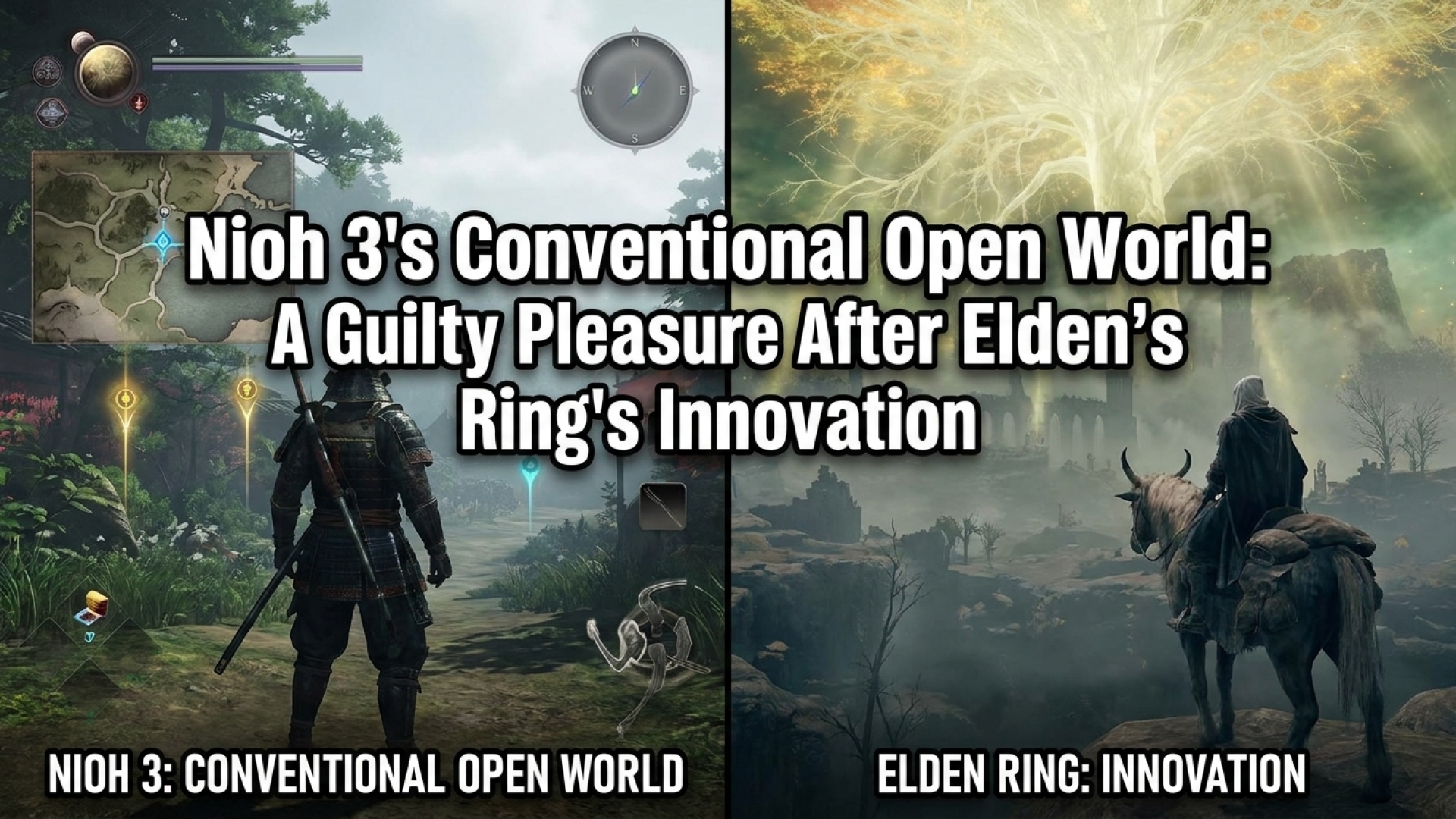
In a significant shift that has the gaming community buzzing, Nioh 3 has officially embraced an open-world structure. Moving away from the linear stage-based design of its predecessors, this pivot—likely influenced by the massive success of titles like Elden Ring—introduces a series of densely packed, massive maps ripe for exploration. As we analyze these changes here at Digital Tech Explorer, it’s clear that while the urge to compare it to FromSoftware’s masterpiece is natural, Nioh 3 carves out a distinct identity that bridges the gap between complex mechanics and accessible PC gaming experiences.
The Elden Ring Approach: Mystery and Minimalism
To understand where Nioh 3 stands, we must look at the benchmark. Elden Ring’s expansive world, including the Lands Between and the Land of Shadow, embodies a design philosophy that diverges from traditional open-world tropes. These realms are presented as alien enigmas, demanding rigorous exploration to unravel their myths. Discovery is the primary currency; players cannot rely on a cluttered map to pinpoint every secret. It is a masterclass in environmental storytelling where every step into the unknown feels earned and perilous.
Nioh 3: A Conventional Yet Engaging Open World
In contrast, Nioh 3 adopts a more traditional approach that prioritizes player clarity. Its vast areas are divided into regions with suggested levels, granting players the freedom to explore while providing a clear roadmap of challenges. This system, inherited and refined from Rise of the Ronin, rewards thorough investigation by revealing points of interest as your exploration level increases.
While some might fear “open-world malaise” from a map-clearing design, my initial experience as TechTalesLeo has been surprisingly refreshing. The game doesn’t just fill space; it populates it with meaningful progression. For those of us who appreciate the intersection of digital innovation and gameplay usability, Nioh 3’s transparency is a welcome change from the often-obscure nature of the Soulslike genre.
Comparative Analysis: Nioh 3 vs. Elden Ring
| Feature | Elden Ring | Nioh 3 |
|---|---|---|
| World Design | Enigmatic, Discovery-based | Structured, Information-rich |
| Combat Style | Methodical, High Stakes | Fast-paced, System-heavy |
| Map System | Minimalist (Uncharted) | Icon-driven (Completionist) |
| Progression | Vulnerable to Powerful | Direct Power Fantasy |
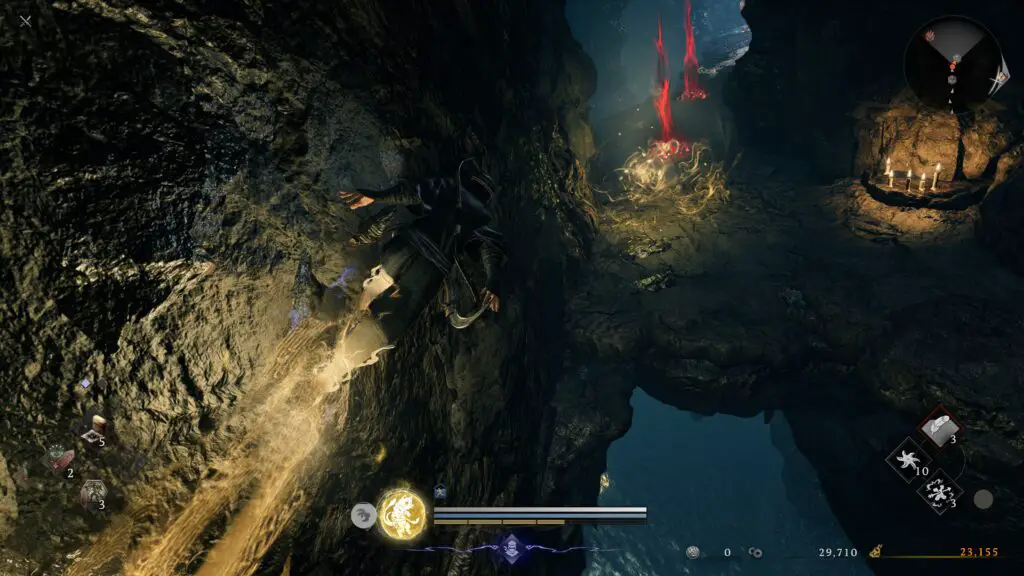
| Traversal | Mount-based (Torrent) | Agile (Wall-running/Magical) |
Why the Open World Thrives as a Soulslike
Nioh 3 successfully recontextualizes its conventional world through intricate systems and demanding combat. Unlike titles where fighting generic enemies becomes a chore, Nioh 3 features a diverse array of monstrous yokai. Each encounter requires unique strategies and pattern recognition, ensuring that the act of “clearing the map” never devolves into tedious busywork.
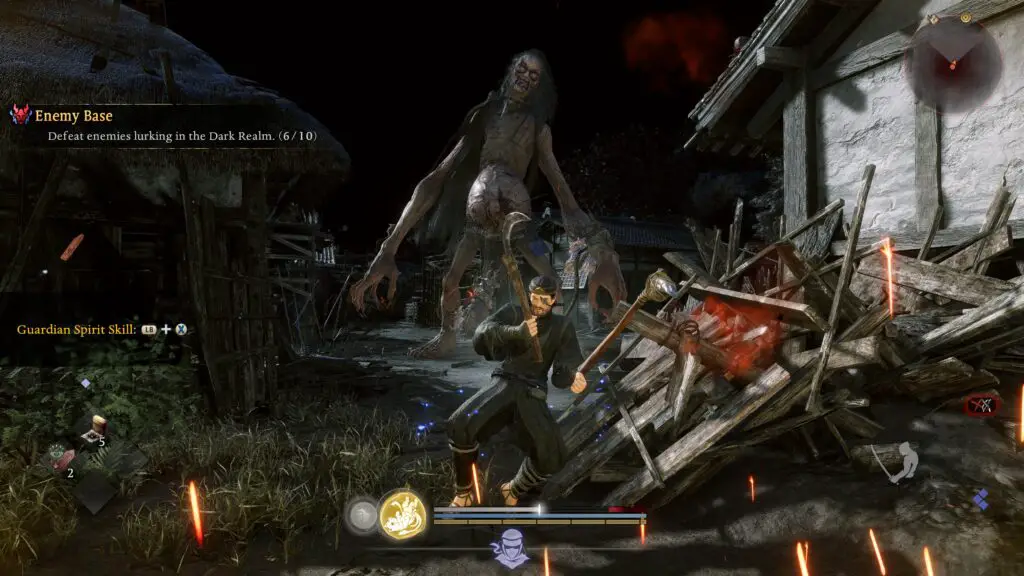
The game actively throws new mechanics at the player, encouraging continuous experimentation with builds. An accessible respec system allows for easy adaptation—a practical tip for those looking to optimize their character without the friction found in other PC games. This constant stream of novelty keeps the experience from becoming stale, focusing on the joy of mastering complex software systems through gameplay.
Nioh 3: The Ultimate Power Fantasy
The core appeal here is the “power fantasy.” While Elden Ring maintains a sense of vulnerability and mystery, Nioh 3 leans into the strength of the protagonist. As a time-traveling samurai wielding magical abilities, you are destined to conquer. The map highlights opportunities to gain strength quickly, whether through acquiring gear sets or harvesting resources from defeated foes.
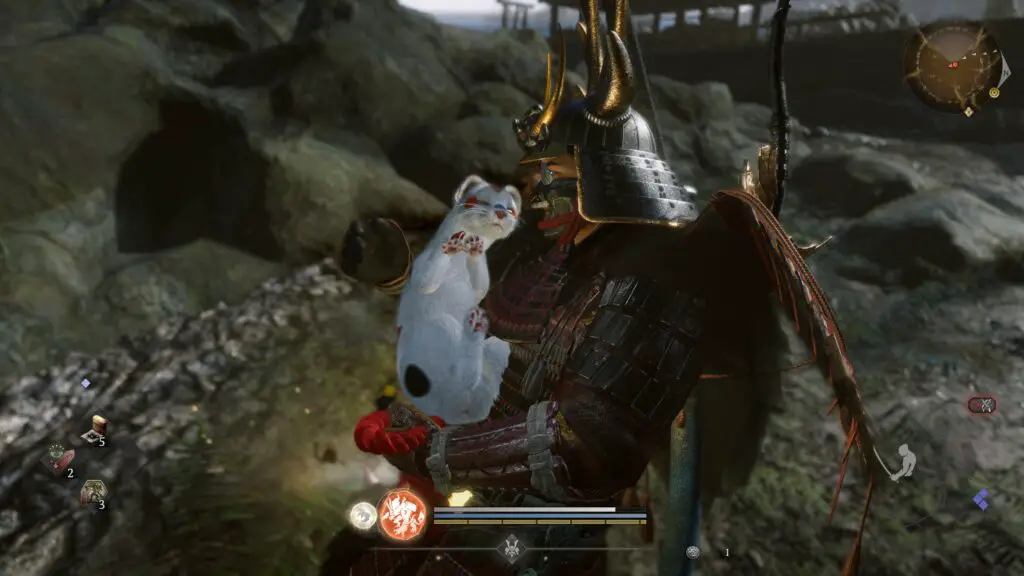
This sense of progression ensures that players rarely feel truly stuck. There is always a clear path to becoming more powerful. At Digital Tech Explorer, we value this kind of transparency in design. It demonstrates that “playing it safe” with a conventional open-world structure can be a winning strategy when paired with deep, rewarding mechanics and high-end technical execution.
While Elden Ring remains a monumental achievement in artistry, Nioh 3 proves there is room for a different kind of journey. It focuses its dense systems to ensure every diversion serves to enhance the player’s capabilities. In the evolving landscape of 2024 releases, Nioh 3 stands tall as a testament to how established franchises can evolve without losing their soul.
For more in-depth reviews and the latest in digital innovation, stay tuned to Digital Tech Explorer. Our mission is to help you stay ahead of trends and make informed decisions in the world of technology and gaming.