
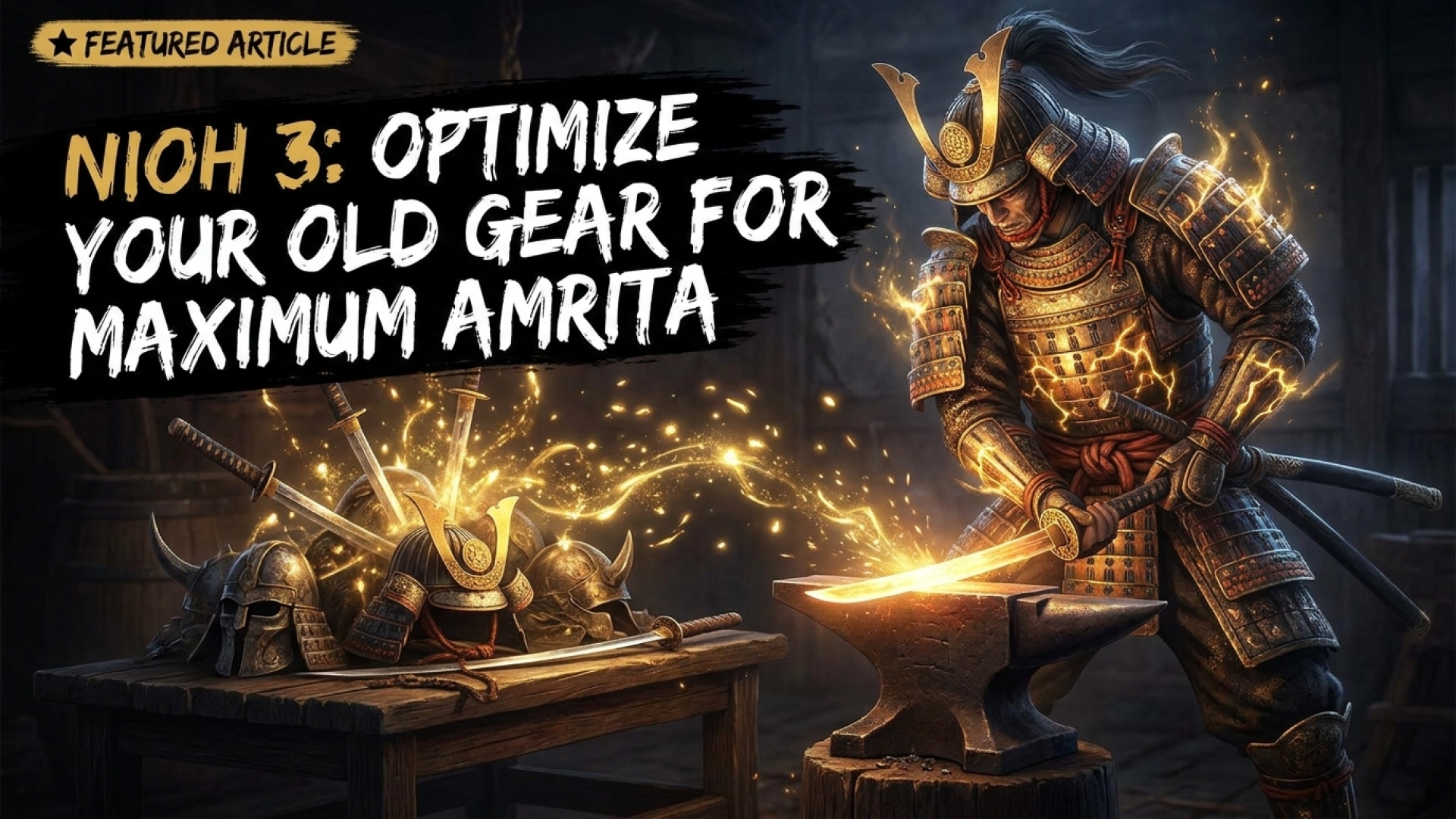
In the evolving landscape of soulslikes, Nioh 3 stands out by adopting a loot system reminiscent of classic ARPGs like Diablo. Rather than the traditional hunt for a single, static legendary item hidden in a remote corner of the map, you are constantly bombarded with gear featuring procedurally generated stats. This design philosophy encourages a technical approach to inventory management, where software-like optimization of your loadout becomes as critical as your combat reflexes.
However, the sheer volume of gear can quickly overwhelm even the most organized player. Knowing what to do with your outdated equipment is the difference between a stalled progression and a streamlined build. While you can liquidate items at a merchant or dismantle them at the blacksmith, the most efficient path for character growth involves the shrine offering system. For veterans of FromSoftware titles, think of this as a strategic way to recycle your hardware for XP.

Maximizing Amrita Yield Through Familiarity
Every piece of equipment in Nioh 3 features a ‘familiarity’ metric, represented by a progress bar in the item description. As you defeat enemies, this bar fills, signifying your character’s synergy with the gear. From a technical standpoint, this is more than just a flavor mechanic—it’s a value multiplier. Items with maxed-out familiarity yield significantly higher amounts of Amrita when offered at a shrine.
To optimize your leveling, we recommend marking high-familiarity items as ‘locked’ in your inventory. This prevents accidental scrapping or selling, ensuring you capitalize on the Amrita bonus. By systematically cycling through gear and ‘burning’ it at the shrine once the familiarity is capped, you can effectively farm levels without additional grinding.
Gear Management: Sell, Scrap, or Offer?
When your inventory reaches capacity, you face a three-way decision. Your choice should depend on your current resource bottlenecks. If you are focused on hardware upgrades via the Soul Match mechanic, you will need a balance of gold and raw materials. However, for those prioritizing raw level progression, the shrine remains king.
| Action | Primary Reward | Best Used For… |
|---|---|---|
| Make Offering (Shrine) | Amrita & Divine Rice | Leveling up and purchasing consumables. |
| Sell (Merchant) | Gold (Sen) | Funding expensive Soul Matches and reforging. |
| Scrap (Blacksmith) | Crafting Materials | Building new gear sets from smithing texts. |
At Digital Tech Explorer, our testing shows that early-game players should prioritize offerings to hit level milestones faster, while late-game professionals will likely lean toward scrapping gear to min-max their endgame sets in the Eternal Rift.
Essential Nioh 3 Technical Guides

- Samurai Customization: How to change your appearance
- Respec Protocol: How to reset your stats in Nioh 3
- Spirit Vein Mechanics: Navigating environmental hazards
- Boss Analysis: Strategies for Yamagata Masakage
- The Crucible: How to defeat Jakotsu-baba
Stay tuned to Digital Tech Explorer for more in-depth gaming insights and technical breakdowns to help you master the most complex software and hardware challenges in the industry.