
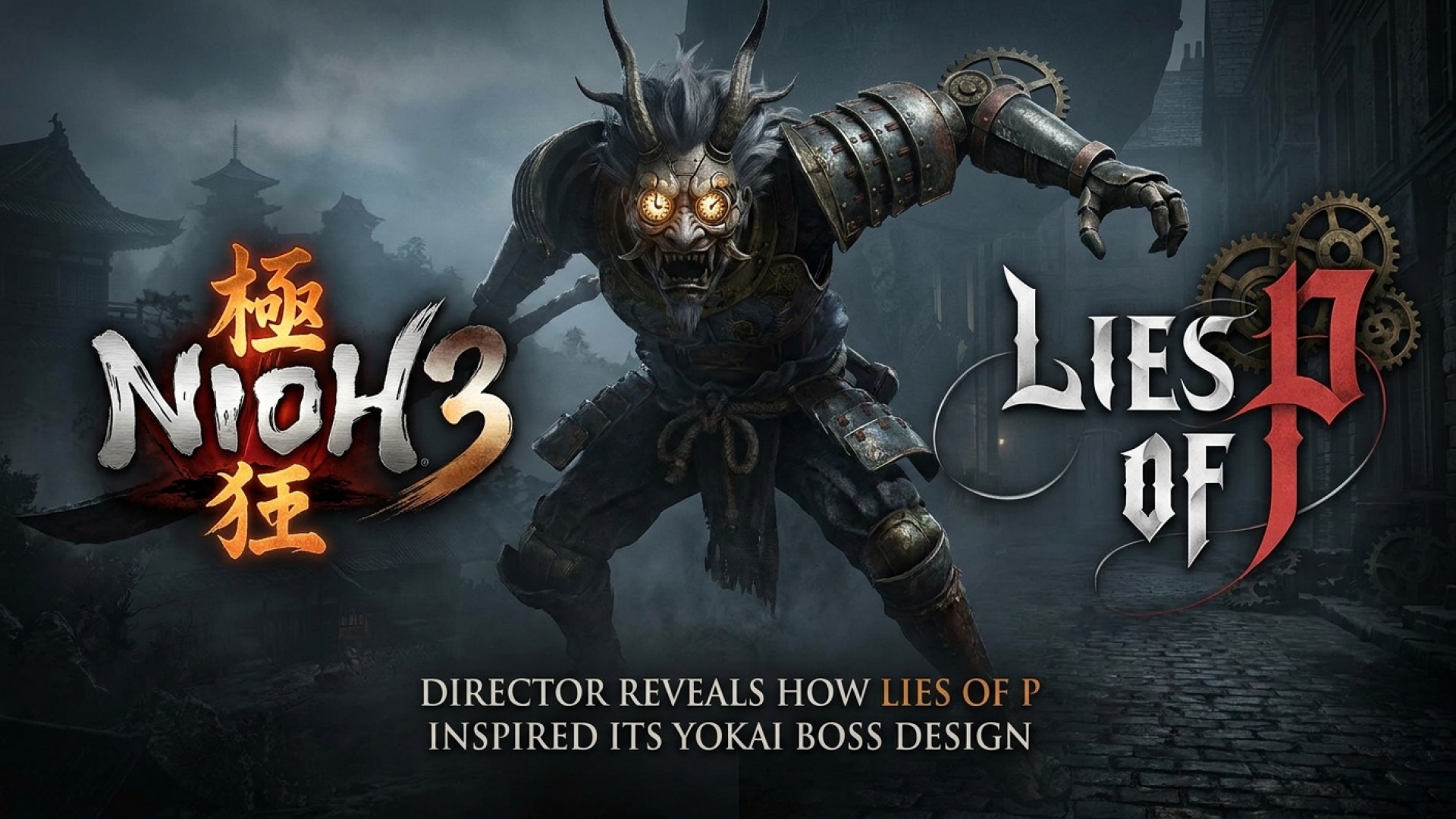
With the highly anticipated launch of Nioh 3 on the horizon, the gaming community is buzzing about Team Ninja’s latest venture into the open-world Sengoku soulslike genre. Here at Digital Tech Explorer, we’ve been tracking the evolution of this series closely. Early reports suggest a “joyfully over the top” experience, characterized by intricate style-swapping combat, deep loot systems, and a terrifying array of enemy yokai. In a recent discussion, Nioh 3 director Masaki Fujita shared how the threequel isn’t just a refinement of their own formula, but a project shaped by the broader landscape of modern gaming and PC games.
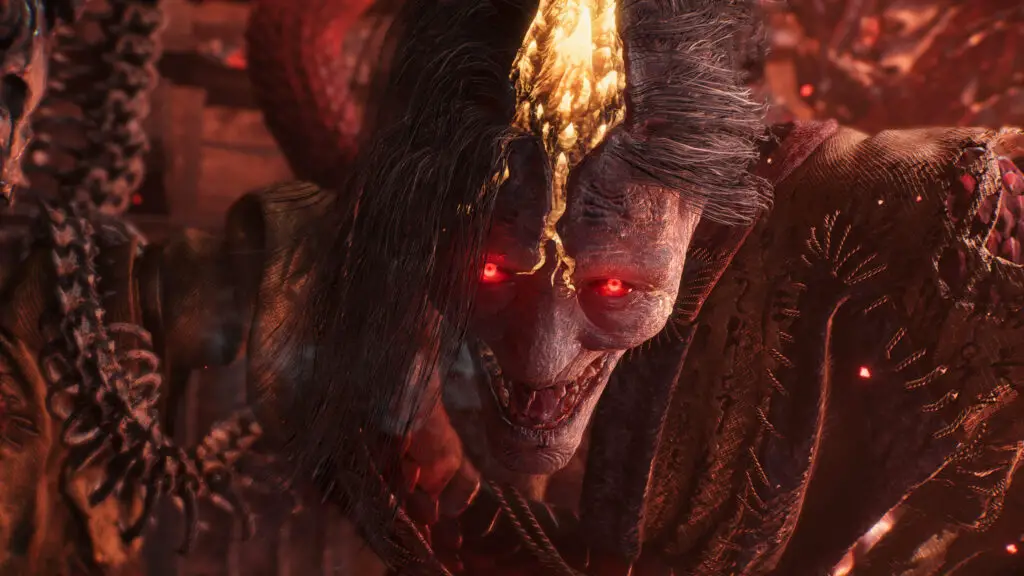
Refining the Soulslike Formula
Masaki Fujita elaborated on how player feedback and the studio’s technical evolution—essential topics for any software engineer or developer—have been pivotal. The development team didn’t just look inward; they analyzed the market to refine everything from combat complexity to narrative depth. This iterative process is a hallmark of the 2024 releases we have seen across the industry, focusing on quality-of-life improvements without sacrificing the challenge fans crave.
Lessons from Wo Long: Fallen Dynasty
Reflecting on Koei Tecmo’s recent history, Fujita pointed to Wo Long: Fallen Dynasty as a key learning point. While the “loot grind” is a staple of the series, feedback suggested that the complexity could sometimes overwhelm the player. For Nioh 3, Team Ninja is focusing on “controlling the complexity,” ensuring the systems are deep but accessible. Furthermore, the studio recognized the need for stronger core character relationships. By moving beyond the somewhat underdeveloped protagonist-companion dynamics seen in previous titles, Nioh 3 aims for a much more immersive narrative experience.
Evolution of Open-World Crafting
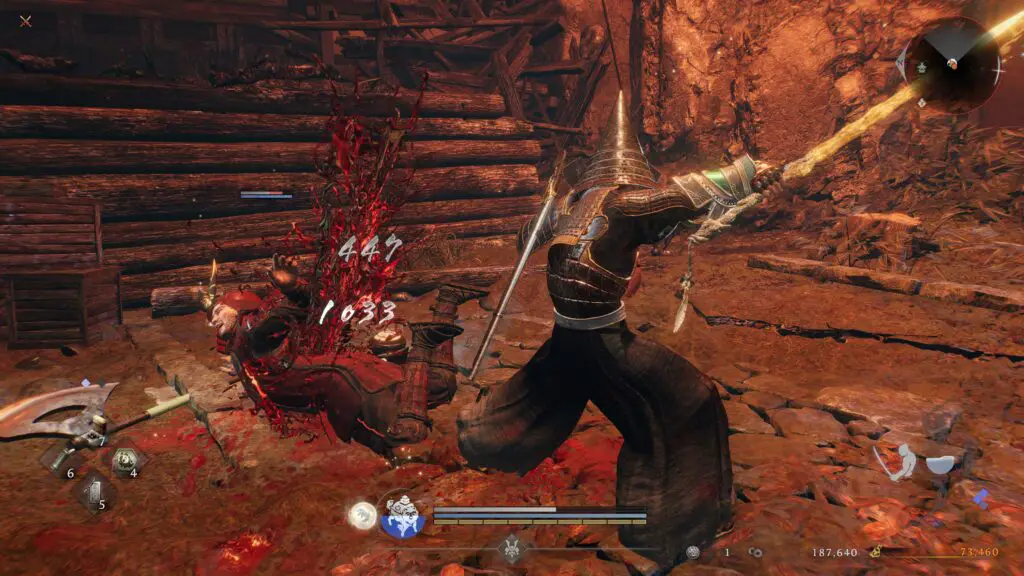
The experience gained from Rise of the Ronin has also been instrumental in shaping the world-building of Nioh 3. Players often seek meaningful exploration and high-quality sidequests in modern hardware environments. Fujita noted that they are striking a balance between grounded, historical elements and the high-fantasy yokai encounters the series is known for. This hybrid approach allows the open-world design to feel both vast and purposeful, encouraging players to explore every corner of the Sengoku-era landscapes.
The Lies of P Connection
Perhaps the most intriguing revelation is the creative inspiration drawn from Lies of P. Fujita highlighted the “combat rhythm” and exceptional boss designs of the Pinocchio-inspired soulslike as a significant source of “stimulation.” The way Lies of P utilized distinctive character features in its attack animations provided a blueprint for Team Ninja to enhance the yokai actions in Nioh 3.
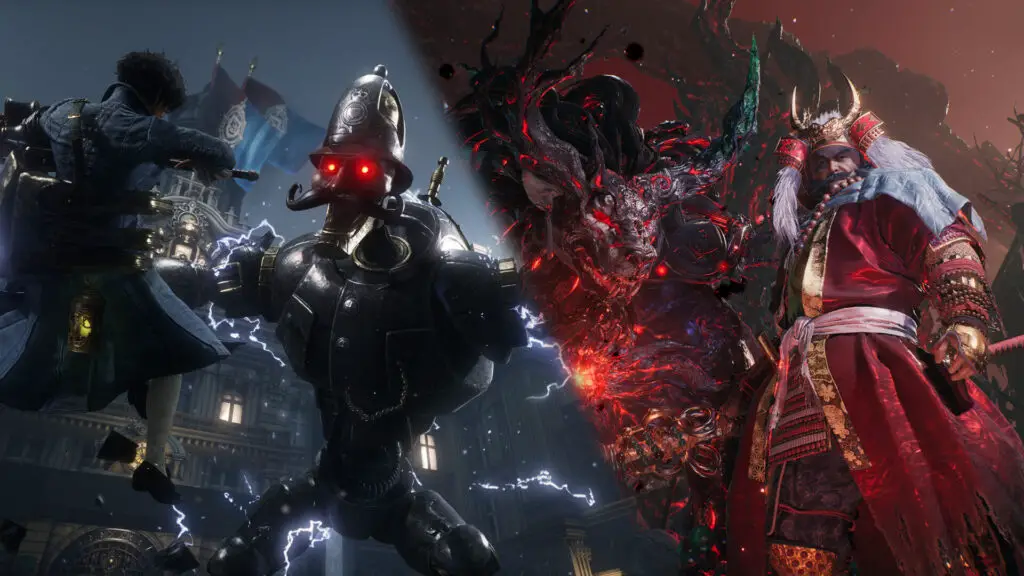
Fujita stated: “In addition to the solid action that requires careful use of guarding and evading, I really had a lot of fun in the battles against the bosses, who had a wide variety of designs. The bosses’ attack actions made full use of their distinctive designs, which gave me great inspiration when conceptualizing the yokai actions in Nioh.”
Conclusion
As TechTalesLeo, I find it fascinating how cross-pollination between developers leads to better products for us, the enthusiasts. The influence of Lies of P combined with Team Ninja’s own pedigree suggests that Nioh 3 will be a standout title in the genre. For those looking to optimize their setups for this release, stay tuned to Digital Tech Explorer for further technical breakdowns and product reviews. The blend of refined combat, grounded exploration, and innovative boss mechanics marks a promising new chapter for the franchise.

Disclaimer: All content on Digital Tech Explorer is for informational and entertainment purposes only. Some of the links on our platform may be affiliate links, which help support our deep-dive research and real-world testing.