Amidst its ongoing Japanese patent lawsuit against Palworld developer Pocketpair, Nintendo recently stirred the legal pot on this side of the Pacific. In late 2025, news broke that the United States Patent and Trademark Office (USPTO) had granted the gaming giant US patent 12,403,397—a filing that describes a complex system for battling summoned characters. At Digital Tech Explorer, we closely monitor how these intellectual property shifts impact developers and the broader gaming landscape.
Despite significant concerns regarding the potential weaponization of such mechanics, the USPTO initially approved the ‘397 patent with shockingly little pushback. This move drew immediate outcry from players and legal experts alike. Videogame patent lawyer Kirk Sigmon notably referred to the approval as “an embarrassing failure of the US patent system.” It appears the USPTO now shares some of that skepticism; the office issued a nonfinal decision recently rejecting all 26 claims of the filing, effectively signaling its intent to revoke it (via GamesFray). However, the saga isn’t over, as Nintendo retains the right to argue against this reversal.
Understanding the Scope of Nintendo’s Patent Claims
To understand the friction here, we must clarify what Nintendo was actually trying to protect. There is a common misconception that the company now owns the general concept of battling summoned monsters. In reality, patents are designed to protect original, non-obvious inventions. If a concept is too broad or replicates existing works, it shouldn’t be patentable.
Even a legal powerhouse like Nintendo cannot claim ownership over the high-level idea of commanding creatures to fight; that concept has been part of the gaming lexicon since Pokémon’s 1996 debut and long before. Patents protect clearly defined processes and designs rather than abstract ideas. Consequently, Nintendo’s ‘397 patent was, by necessity, limited to extremely specific mechanical implementations to meet legal criteria.
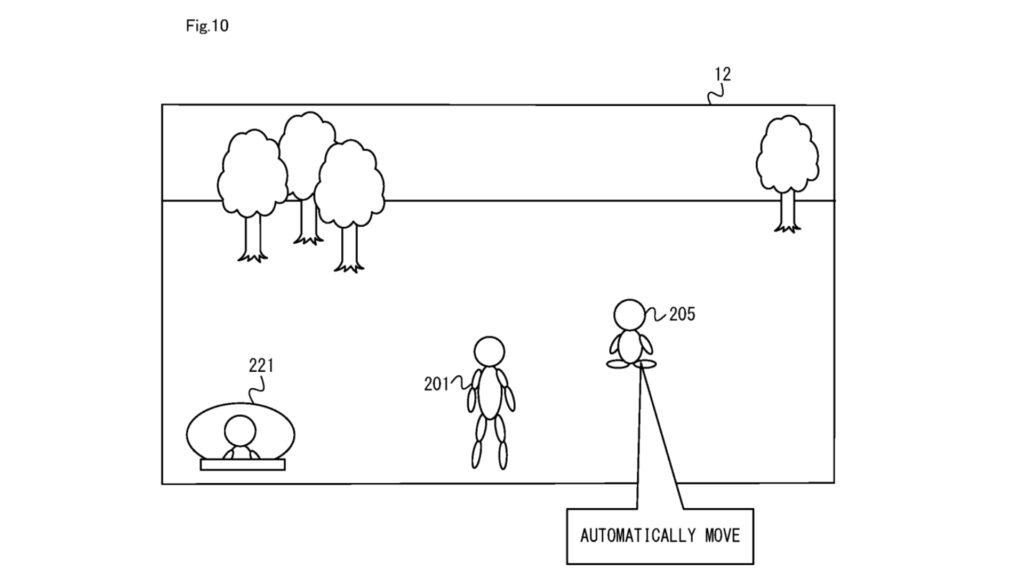
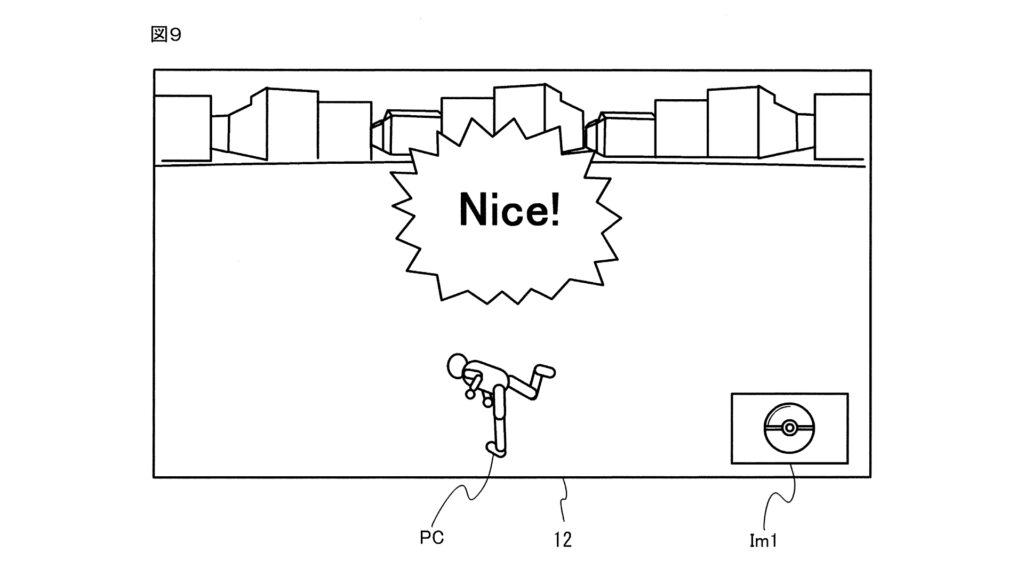
Specifically, US patent 12,403,397 claims a unique, hyperspecific system for sub-character battling. This involve a movable player character summoning a sub-character at a designated location. The sub-character then either enters a battle mode or begins automatic movement. The player can then provide a second input to redirect the sub-character to another location to trigger further automated combat. While this sounds standard to many RPG fans, the patent filing breaks these actions down into granular, technical specifications.
The USPTO’s Reexamination and Decision to Revoke
The swiftness of the USPTO’s pivot is notable. Just weeks after the initial grant, USPTO Director John A. Squires issued an order for an ex parte reexamination (EPR). Most EPRs are triggered by outside competitors, but this one was ordered under the Director’s own initiative—a clear sign of intense internal scrutiny regarding the patent’s validity.
Upon reevaluating the claims against preexisting patents and software, the USPTO examiner rejected every single claim. The conclusion was straightforward: the system bears too many similarities to “prior art” to be considered a non-obvious invention.
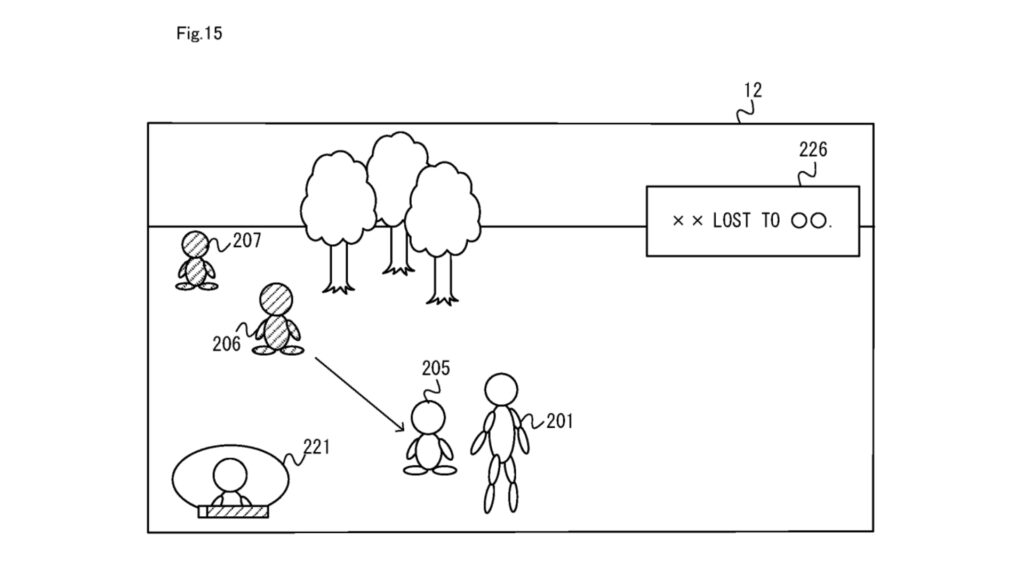
Interestingly, the list of references cited by the examiner included World of Warcraft fan wikis and Reddit threads discussing RPG mechanics. However, the legal weight of the rejection rests on four preexisting patent applications describing similar systems. These include filings from Konami and Bandai Namco. Ironically, two of the cited “prior art” examples were Nintendo’s own previous applications, which the examiner used to dismantle the novelty of the new claims.
What’s Next for Digital Innovation?
As a US-based authority, this USPTO decision does not directly impact Nintendo’s Japanese patents or the Palworld lawsuit abroad. Furthermore, because the decision is nonfinal, Nintendo has a two-month window to file counterarguments. Extensions are likely, and even if the revocation is finalized, the company can appeal to the Federal Circuit.
For the tech community and indie developers, this is a significant moment. It highlights the fine line between protecting innovation and stifling creativity through overly granular patents. At Digital Tech Explorer, we believe that transparency in these legal battles is essential for fostering a healthy ecosystem where new ideas can flourish without the constant fear of litigation. As this story evolves, TechTalesLeo will continue to bridge the gap between complex IP law and its impact on your favorite digital worlds.