

The digital frontier is facing a significant legal reckoning as New York State Attorney General Letitia James targets one of the giants of the PC gaming world. The state has officially initiated a lawsuit against Valve, the powerhouse behind the Steam platform, alleging that the company’s monetization strategies violate gambling laws. At the heart of the complaint are “addictive and harmful” loot box mechanics that the state argues impact both children and adults alike.
As a team that tracks digital innovation and tech trends here at Digital Tech Explorer, we find the investigative methods used in this case particularly fascinating. To build their 52-page court filing, the New York Office of the Attorney General (OAG) didn’t just observe from the sidelines; they actively participated in the Counter-Strike skin trading economy to prove how easily virtual items can be converted into real-world currency.

The core of the allegation rests on the Steam Marketplace. New York investigators argue that by creating a digital exchange where users can trade items won through chance-based microtransactions, Valve has established a system where virtual assets have tangible, “winnable” value—a key component in legal definitions of gambling.
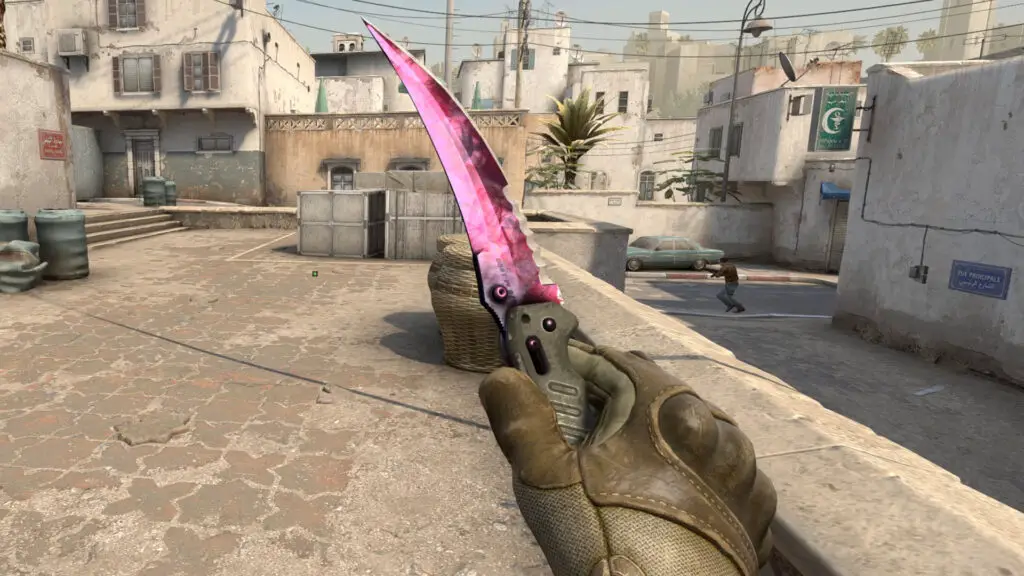
The Stiletto Knife Experiment: A Case Study in ‘Skin Flipping’
One of the most compelling pieces of evidence in the filing involves the liquidity of Steam Wallet funds. While Valve has often maintained that these funds stay within the ecosystem, the OAG demonstrated a clear pathway to cash. Because Steam Wallet funds can be used to purchase physical hardware, such as the Steam Deck, they serve as a bridge between the virtual and physical worlds.
To prove this, an OAG investigator conducted a direct “skin flipping” experiment. The process, documented on page 21 of the filing, followed a specific path to liquidate a digital item into hard currency:
| Step | Action Taken by Investigator | Result |
|---|---|---|
| 1 | Acquire Counter-Strike “Stiletto Knife” Skin | Virtual Asset Ownership |
| 2 | Sell on Steam Community Market | Conversion to Steam Wallet Funds |
| 3 | Purchase Valve Hardware (Steam Deck) | Conversion to Tangible Physical Product |
| 4 | Resell Hardware to Electronics Store | $180 Cash in Hand |
While a $180 payout represents a loss relative to the retail price of a new Steam Deck, the OAG argues the financial outcome is secondary to the capability. The experiment proves that the “walled garden” of Steam has a backdoor, potentially allowing for money laundering or the conversion of items obtained via stolen credit cards into clean, untraceable cash.
Broad Industry Implications for Gaming and AI
The New York Attorney General’s lawsuit highlights a growing friction between gaming monetization and consumer protection. As we see more AI acceleration in how games target player behavior, the ethical implications of “chance-based” mechanics are under the microscope. Valve’s ecosystem inadvertently creates a marketplace where virtual commodities can be manipulated, raising serious questions about platform responsibility.

This is not Valve’s first brush with these concerns. Past money-laundering scandals involving key-trading and “skin-gambling” sites have forced the company to implement various restrictions. However, this lawsuit suggests that current measures may not be enough to satisfy regulatory bodies looking to protect users from the financial risks associated with the digital economy.
Final Thoughts: The Future of Virtual Economies
As TechTalesLeo, I’ve watched the line between “playing” and “investing” blur significantly over the last decade. This lawsuit is a stark reminder that as digital assets become more sophisticated, so does the scrutiny from law enforcement. For the PC gaming community, the outcome of this case could redefine how loot boxes, marketplaces, and even hardware purchases are handled on major platforms.

The presence of OAG investigators within the Counter-Strike skin economy signals a new era of oversight. Whether you are a casual player or a seasoned professional, the intersection of virtual assets and real-world financial law is a trend that will shape the tech landscape throughout 2024 and beyond.
Disclaimer: All content on Digital Tech Explorer is for informational and entertainment purposes only. We do not provide financial or legal advice. Some of the links on Digital Tech Explorer are affiliate links; we may earn a commission if you click through and make a purchase, at no additional cost to you.