
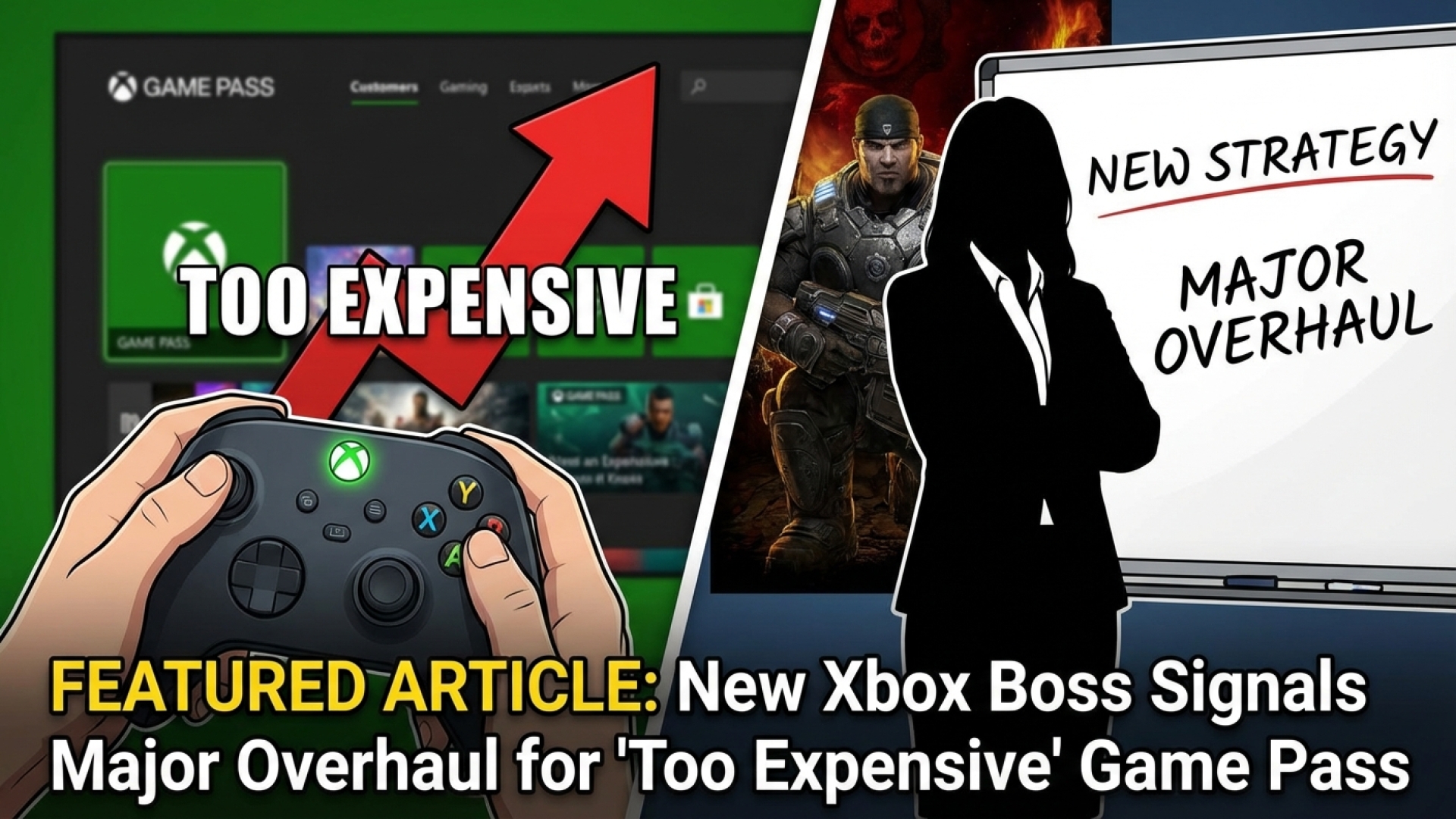
In a move that has sent ripples through the gaming industry, Asha Sharma, the newly appointed head of Xbox, has reportedly issued a internal memo signaling a major shift in strategy. According to reports from The Verge, Sharma has identified a critical friction point for the brand: Xbox Game Pass has become “too expensive” for the average player. At Digital Tech Explorer, we’ve tracked the evolution of subscription models closely, and this admission marks a pivotal moment for digital distribution.

The Value Crisis: Navigating Tiered Confusion
While Game Pass remains the cornerstone of the Xbox ecosystem, Sharma’s memo suggests that the service’s current trajectory is unsustainable in its present form. The core issue is a perceived lack of value following recent price hikes and the fragmentation of the service into complex tiers. What was once a simple, all-you-can-play model for $9.99 has evolved into a confusing hierarchy of Ultimate, Premium, and Essential levels.
For PC games enthusiasts and console players alike, the cost of entry has risen significantly. To provide clarity on the current landscape, here is a breakdown of the recent pricing shifts:
| Subscription Tier | Previous Monthly Price | Current Monthly Price | Primary Benefit |
|---|---|---|---|
| Game Pass Ultimate | $19.99 | $29.99 | Day-one access, Cloud Gaming, EA Play |
| PC Game Pass | $11.99 | $16.49 | Extensive PC Library, Day-one releases |
| Game Pass Essential | Variable | New Tier Structure | Online Multiplayer, Select Catalog |
As TechTalesLeo, I’ve seen many digital innovations struggle with the balance between profitability and user experience. This pricing complexity has left many wondering which tier actually grants access to major upcoming releases like Fable, leading to a “value equation” that no longer adds up for the casual consumer.
The Developer Backlash: Is the “Netflix Model” Sustainable?
The internal concern over pricing isn’t just about the consumers; it’s about the creators. The industry has seen growing skepticism regarding the “Netflix for games” approach. High-profile developers have voiced concerns that subscription services may inadvertently devalue the art of game design. The director of Revenge of the Savage Planet famously noted that while Game Pass provides massive exposure, it also conditions players to avoid paying retail prices, which can cannibalize traditional revenue streams.
This sentiment is a recurring story in our digital landscape. Former Bethesda VP Pete Hines previously highlighted the “inner tensions” within Microsoft, where a game’s success on a subscription platform often comes at the direct expense of retail sales. Even more provocatively, former Sony executive Shawn Layden compared these models to “wage slavery,” arguing they fail to account for the massive capital investment required for modern AAA development.
Looking Ahead: Project Helix and Hardware Innovation
So, what is the roadmap for the future? Sharma’s memo outlines a transition toward a “more flexible system.” This evolution will likely involve rigorous testing to find a sustainable middle ground that rewards developers while keeping players engaged. This shift suggests that the 2024-2025 era of Xbox will be defined by experimentation.
Simultaneously, Xbox is doubling down on its hardware roots. While the brand has pivoted its marketing messaging recently, internal sources confirm that the next generation of consoles is already in development under the codename Project Helix. This indicates a two-pronged strategy: refining the digital subscription service to be more consumer-friendly while reinforcing the physical foundation of the Xbox ecosystem.
At Digital Tech Explorer, we believe that bridging the gap between complex tech trends and everyday usability is key. As Asha Sharma steers Xbox through these turbulent waters, we will continue to provide in-depth analysis on how these changes affect you, the player.
About the Author: TechTalesLeo is a dynamic storyteller at Digital Tech Explorer, dedicated to making technology accessible and intriguing through detailed product analyses and industry insights.
Disclaimer: All content on Digital Tech Explorer is for informational and entertainment purposes only. We do not provide financial or legal advice. Some of the links on Digital Tech Explorer are affiliate links; we may earn a commission if you click through and make a purchase, at no additional cost to you.