
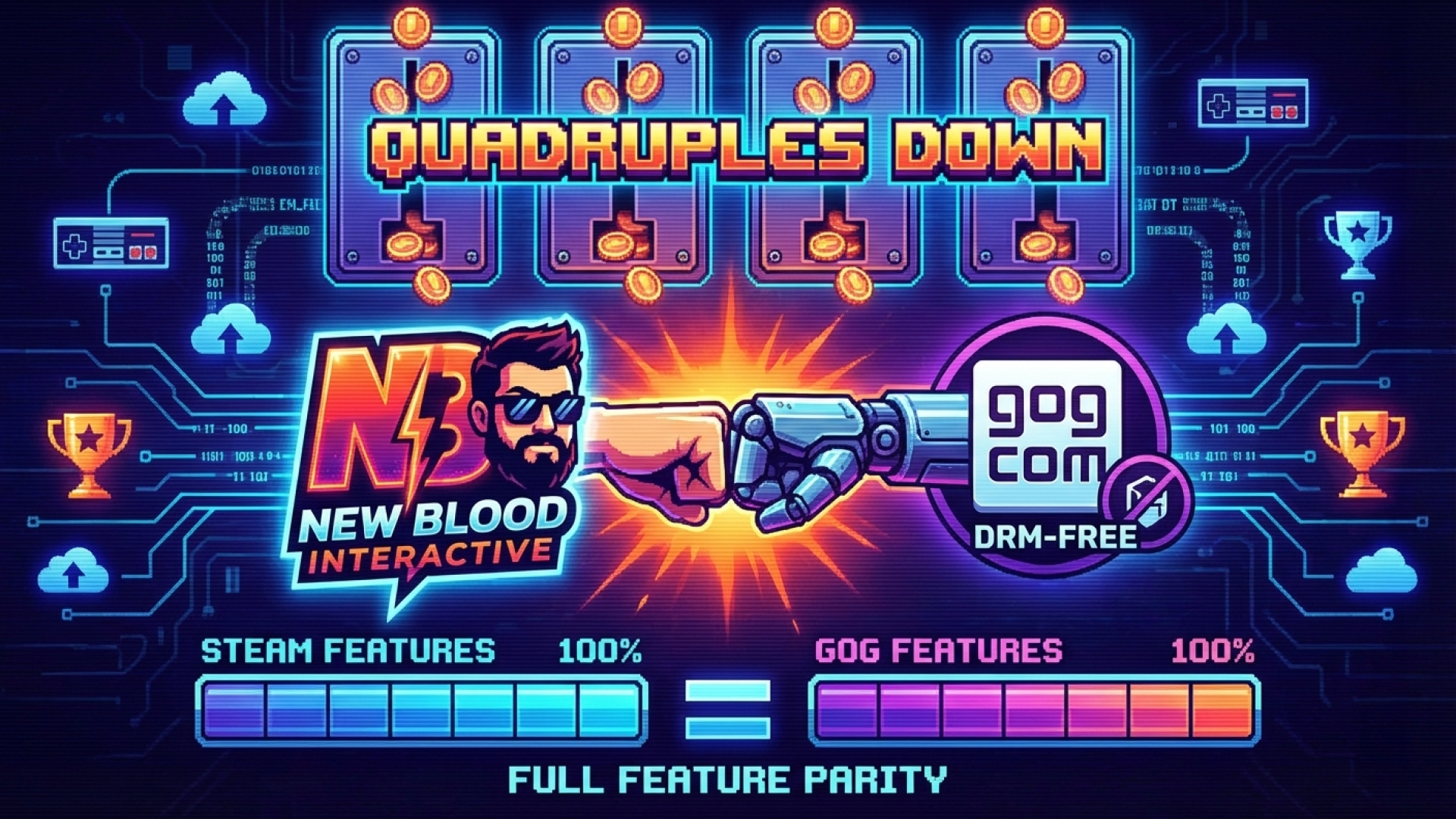
In the rapidly evolving landscape of digital distribution, the tension between accessibility and ownership remains a hot topic for developers and gamers alike. Recently, Dave Oshry, CEO of New Blood Interactive, voiced concerns regarding the long-term viability of GOG (formerly Good Old Games). However, in a move that signals a positive shift for the gaming community, Oshry has since reaffirmed a robust commitment to the platform. This renewed support includes a push for “parity” with Steam releases, ensuring that New Blood’s high-octane titles remain accessible to those who value a DRM-free ecosystem.
GOG’s Evolution and the Preservation Struggle
GOG carved its niche by focusing on classic games and a strict DRM-free philosophy. As a platform, it offered a sanctuary for enthusiasts who wanted to “own” their digital purchases without the tether of persistent online checks. However, the platform faced stiff competition as Steam began incorporating retro titles into its massive catalog. By 2021, GOG faced significant financial hurdles, leading its then-parent company, CD Projekt, to report a net loss. This financial strain forced GOG to refocus on its roots, moving away from some newer releases that compromised its core anti-DRM promise.
At Digital Tech Explorer, we believe that transparency in the industry is vital. Oshry’s initial skepticism was rooted in this very landscape. He questioned whether GOG could provide a compelling enough reason for players to migrate from Steam, stating, “I love their preservation efforts… But they need enough people to give a shit, or how long are they even going to be around?” This sparked a viral conversation on X, where GOG countered by emphasizing that the future of game preservation is ultimately decided by the players who choose to support DRM-free initiatives.
New Blood “Quadruples Down” on GOG Support

Turning criticism into action, New Blood has significantly ramped up its GOG presence. During a recent anniversary sale, the studio synchronized its discounts across both GOG and Steam. More importantly, upcoming projects like Dungeons of Dusk and Tenebrous Somnia are slated for concurrent releases. This means GOG users won’t have to wait months for the same content available on Steam, including demos.
Oshry noted that the studio is “quadrupling down” by bringing the Dusk HD remaster to the platform. To match the convenience of the Steam Workshop, New Blood is implementing a one-click install feature for the GOG version, bridging the technical gap between the two storefronts.
GOG vs. Steam: Understanding the Platform Value
To help our readers make informed decisions about where to build their PC games library, we’ve broken down the key differences between the two leading platforms in 2024.
| Feature | GOG (Good Old Games) | Steam |
|---|---|---|
| Ownership Model | DRM-Free (Offline Installers) | License-Based (Client Required) |
| Client Requirement | Optional (GOG Galaxy) | Mandatory |
| Focus | Classic & Modern Preservation | Massive Catalog & Community |
| Exclusive Titles | Icewind Dale 2, Star Trek: Elite Force | Valve First-Party Titles |
Independence and the Future of Digital Tech Explorer
The service has undergone a transformation recently. After navigating AI-related controversies, GOG is now independent of CD Projekt. It currently operates under the leadership of Michal Kicinski, a co-founder of both entities. This shift toward independence allows GOG to double down on its “GOG Patrons” program, which invites users to directly fund game preservation efforts.

For enthusiasts of retro shooters and modern indies, now is a pivotal time to explore GOG. Titles like the critically acclaimed Dusk are frequently available at deep discounts, providing a perfect entry point into the DRM-free lifestyle. As TechTalesLeo, I believe that supporting these platforms isn’t just about playing games—it’s about ensuring that the hardware we buy today can still run the stories we love tomorrow.
Disclaimer: All content on Digital Tech Explorer is for informational and entertainment purposes only. We do not provide financial or legal advice. Some of the links on Digital Tech Explorer are affiliate links. This means we may earn a commission if you click through and make a purchase, at no additional cost to you. Our recommendations are based on thorough research and personal experience.