
Before joining the team here at Digital Tech Explorer, a significant portion of my career was spent immersed in the world of console-specific journalism. Even with that background, I find myself in an unusual position: I am simply not excited about the next generation of Sony hardware. As a storyteller who has tracked digital innovation for years, the current trajectory of the console market feels less like progress and more like a cautionary tale of rising costs and diminishing returns.
When I pre-ordered my PS5 back in 2020, I viewed it as a long-term investment. At the time, paying £450 (roughly $570) for the disc-drive version felt standard. However, the industry landscape has shifted dramatically. Since its launch, the PlayStation 5 has seen unprecedented price hikes—not once, but three times. Today, that same basic hardware can cost upwards of $650/£570. In an era where Digital Tech Explorer focuses on helping users make informed decisions, it’s getting harder to call this a “deal.”
The Rising Cost of Gaming Hardware
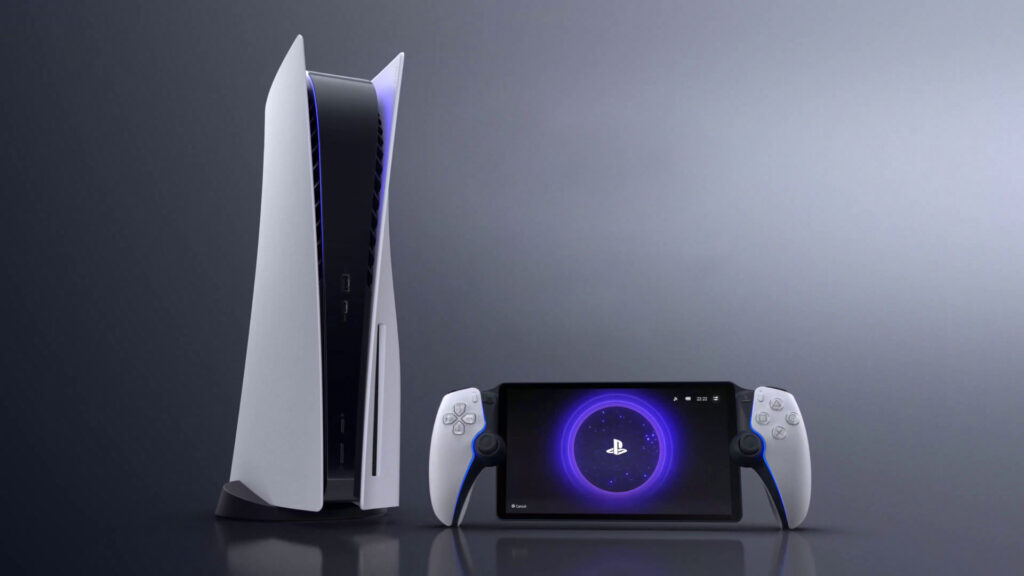
In the world of hardware, we usually expect prices to drop as technology ages. The PS4, for example, followed this classic curve. Yet, the PS5 has defied gravity. A major factor here is the global AI demand for memory, which has created a supply crisis. This volatility is even impacting future roadmaps, with rumors suggesting the PS6 could be pushed back as far as 2029.
| Console Generation | Launch Price (USD) | Current/Late-Cycle Price (USD) |
|---|---|---|
| PlayStation 4 (2013) | $399 | ~$299 (Slim) |
| PlayStation 5 (2020) | $499 | $650 (Current Average) |
| PlayStation 6 (Est. 2028+) | $799 – $899 (Projected) | TBD |
For those of us tracking AI and its impact on the tech sector, it’s clear that consumer electronics are no longer insulated from enterprise-level supply chain shifts. If the barrier to entry for the next generation hits $800, we have to ask: what is the actual value proposition of a closed-box console?
PC Gaming vs. Console Gaming: The Value Gap
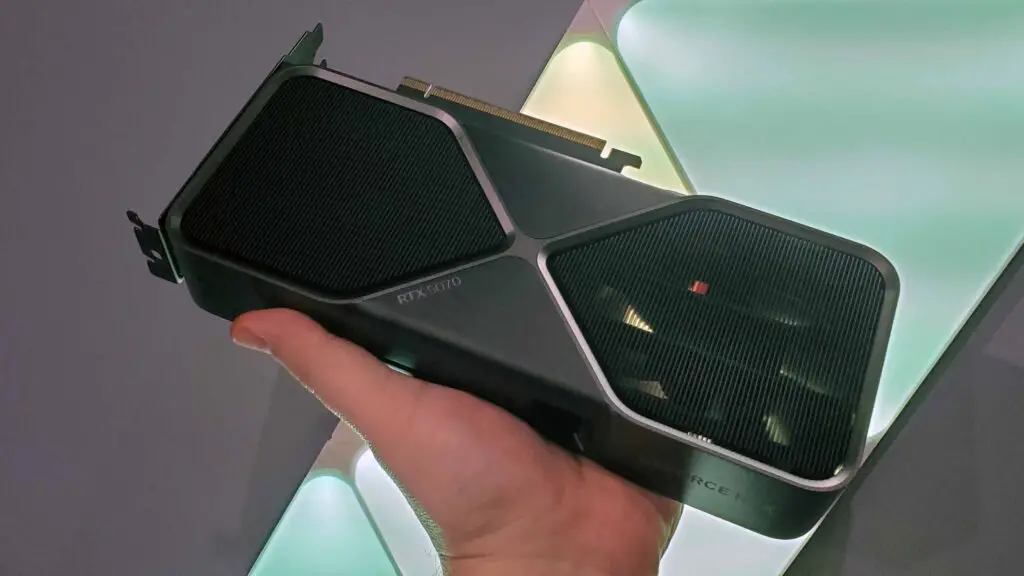
For years, consoles were the budget-friendly gateway to high-fidelity gaming. I resisted returning to PC gaming because of the perceived complexity and cost. However, the math is changing. While a high-end GPU like the Nvidia RTX 5070 can cost more than a console, the versatility of a PC often justifies the investment for professionals and creators.
On a PC, I can manage Digital Tech Explorer workflows, develop software, and enjoy an endless library of titles—many of which are significantly cheaper than the $70 standard for console AAA releases. Even on modest hardware, the flexibility of the platform provides a safety net that a $700 “gaming-only” box simply cannot match.
Combatting “Big Game Burnout”
There is also the matter of content. Sony has built its brand on massive, cinematic open-world exclusives. While titles like Ghost of Yōtei look stunning, I’ve found myself suffering from “Big Game Burnout.” The focus on infinitely replayable, high-retention “forever games” often leads to exhaustion rather than enjoyment.

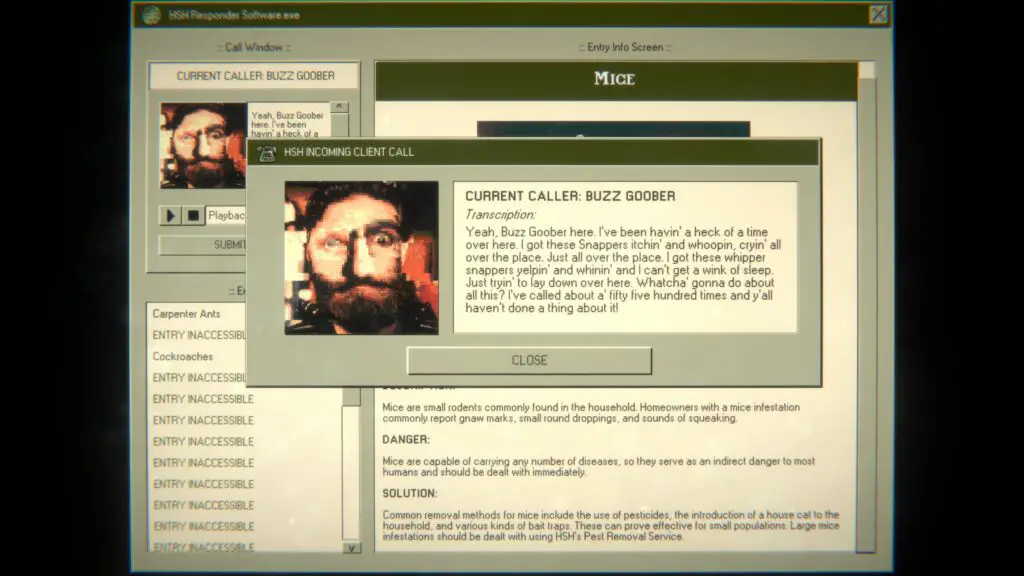
Lately, I’ve been gravitating toward focused, self-contained experiences. On platforms like Steam, you can find innovative titles like Home Safety Hotline or Perfect Tides for under $20. These games offer narrative depth and unique mechanics without demanding a hundred hours of your life. Even Resident Evil Requiem, which I recently enjoyed on my PS5, proves that a tight, 10-hour experience can be far more impactful than a bloated 100-hour map-clearing exercise.
The Nintendo Alternative
Interestingly, Nintendo seems to be the only manufacturer still following the traditional “console assignment.” The Switch 2, priced more competitively at approximately $450, maintains a focus on unique form factors and exclusive software that feels distinct from the “PC-lite” approach of Sony and Microsoft.

With massive system-sellers like Pokopia and quirky gems like Tomodachi Life: Living the Dream, Nintendo is capturing my attention in a way that raw Teraflops and 8K resolution promises haven’t. While the Steam Deck has made strides in portable PC gaming, the seamless “dock-and-go” nature of the Switch remains the gold standard for usability.
As we look toward the future of digital innovation at Digital Tech Explorer, it’s clear that the next console war won’t just be won on specs—it will be won on value. For the first time in my career, I’m waiting to be convinced that the “next big thing” is actually worth the price of admission.