
Monster Hunter Stories 3: Twisted Reflection Review – Deep Mechanics Meet a Fractured Narrative
By TechTalesLeo
Our Verdict
Monster Hunter Stories 3: Twisted Reflection delivers deep build crafting and complex battle systems that will delight hardcore tacticians. However, these stellar mechanics are often overshadowed by a war-themed plot that lacks emotional stakes and a cast of companions that never quite finds its footing. It is a technical triumph but a narrative mixed bag.
Need to Know: Technical & Launch Details
| Category | Details |
|---|---|
| Genre | Turn-based creature-collecting RPG |
| MSRP | $70 / £55 |
| Release Date | March 13, 2026 |
| Developer / Publisher | Capcom |
| Review Rig | NVIDIA RTX 4070 Super, Intel Core i7 14700KF, 32 GB RAM |
History repeats itself in the world of Monster Hunter. A mysterious malady is turning iconic creatures into crystallized, hyper-aggressive threats, pushing the ecosystem toward total collapse. As a prince and monster-riding ranger captain, your mission transcends mere conservation; you are fighting to prevent a global conflict. While previous titles in the gaming series hinted at human-on-human friction, Monster Hunter Stories 3: Twisted Reflection attempts to bring it to the forefront.
Combat Prowess and Tactical Depth
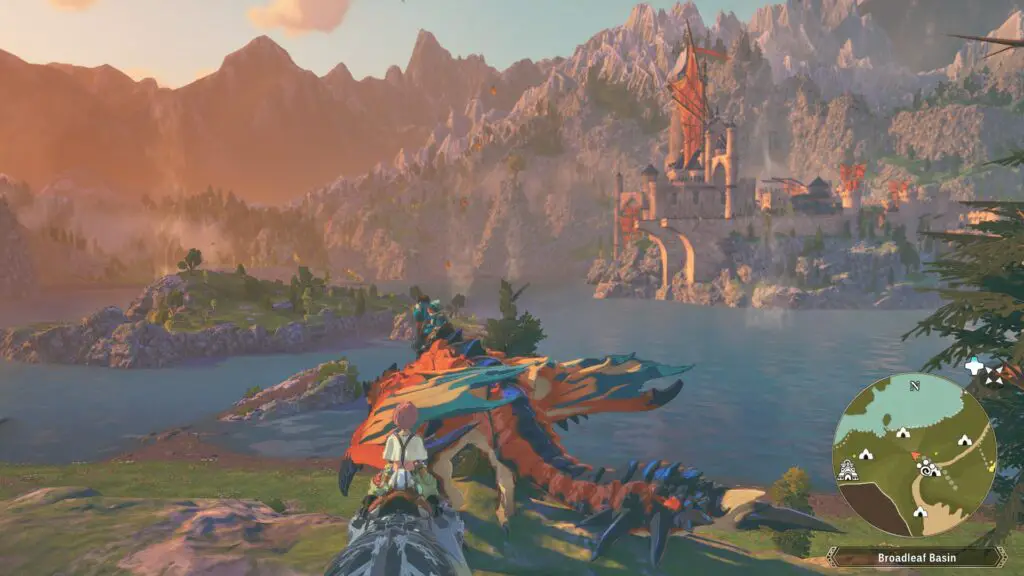
From a visual standpoint, Stories 3 is an absolute standout. The lush, cel-shaded environments and fluid animations capture the vibrant spirit of the mainline series while maintaining a unique aesthetic. At Digital Tech Explorer, we focus on the intersection of technology and entertainment, and the optimization here is impressive. Even at high resolutions, the frame rates remained stable on our test rig.
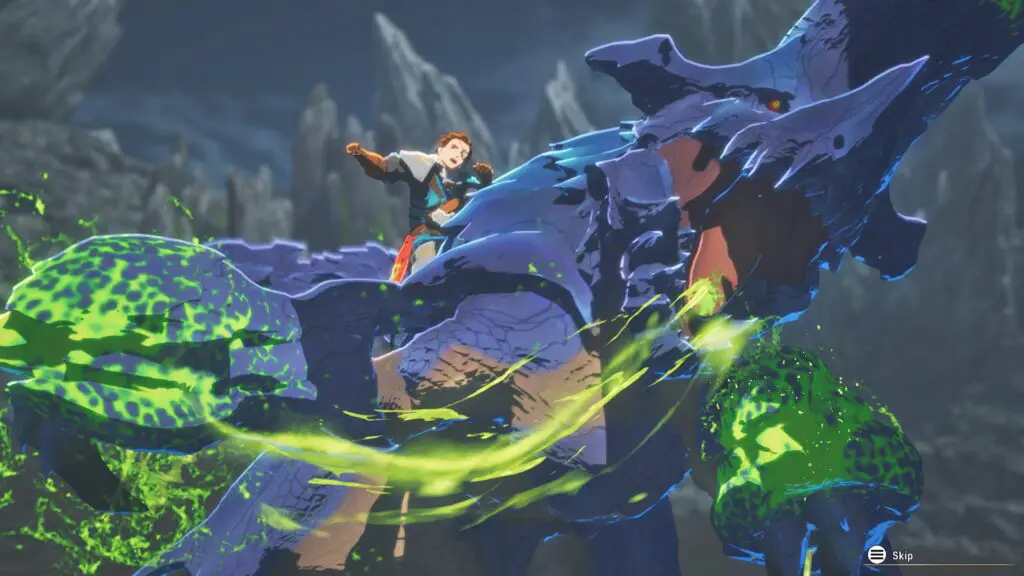
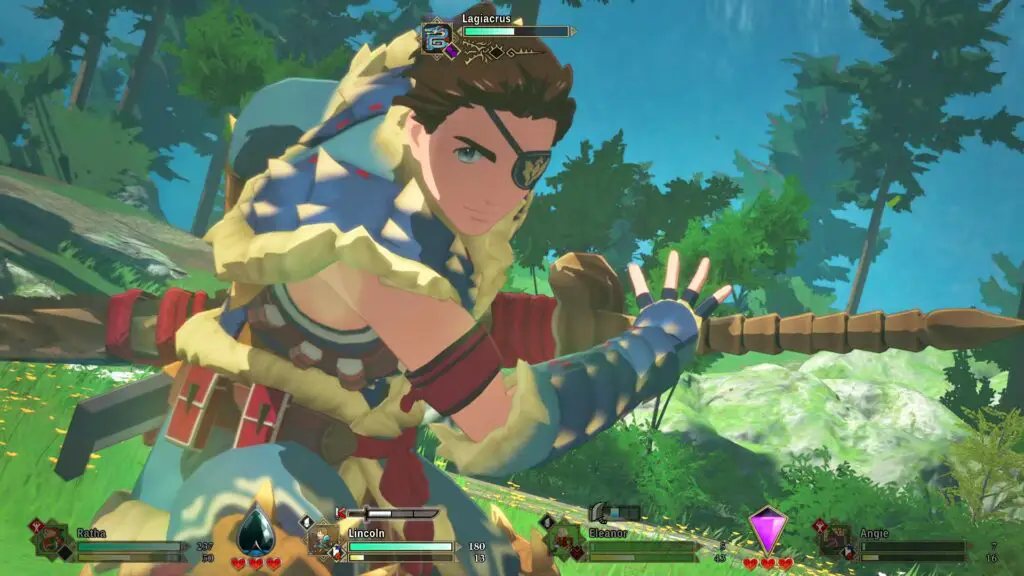
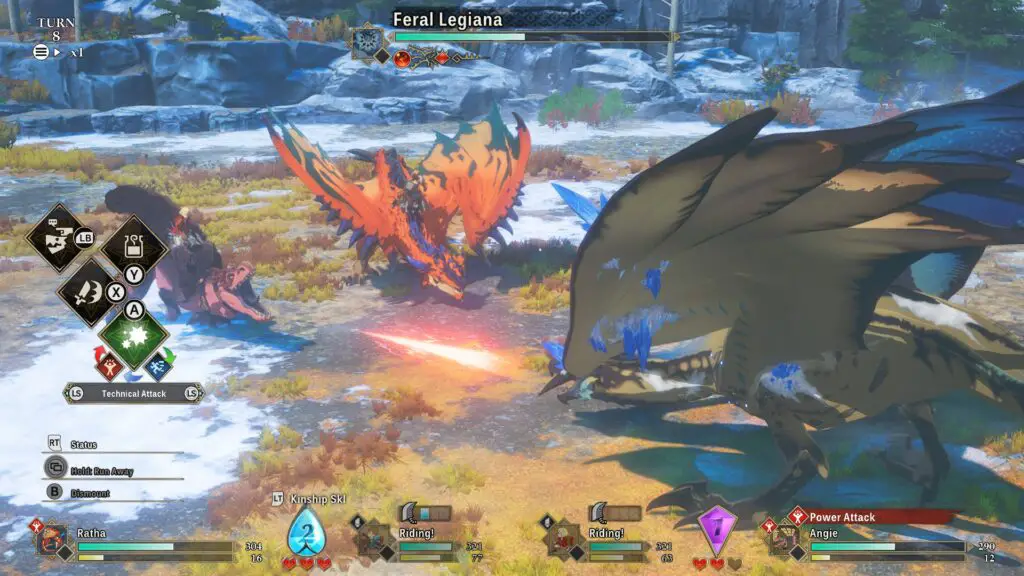
The combat effectively translates the rhythm of Monster Hunter into a turn-based RPG format. It utilizes a three-layered, rock-paper-scissors system (Power, Technical, and Speed). Beyond simple elemental matching, you must target specific body parts—slicing tails with longswords or shattering scales with hammers. When a monster enrages, the tactical priorities shift, requiring you to master elemental affinities in a high-stakes dance of strategy.
Habitat Restoration: The Ultimate Sandbox
The beloved gene system returns, offering a 3×3 grid for “Monstie” customization. The real innovation, however, is the Habitat Restoration system. This feature allows players to release hatched monsters back into the wild to influence regional stats, spawn rates, and elemental affinities. It’s a sophisticated layer of digital innovation that appeals to those of us who love data-driven min-maxing.
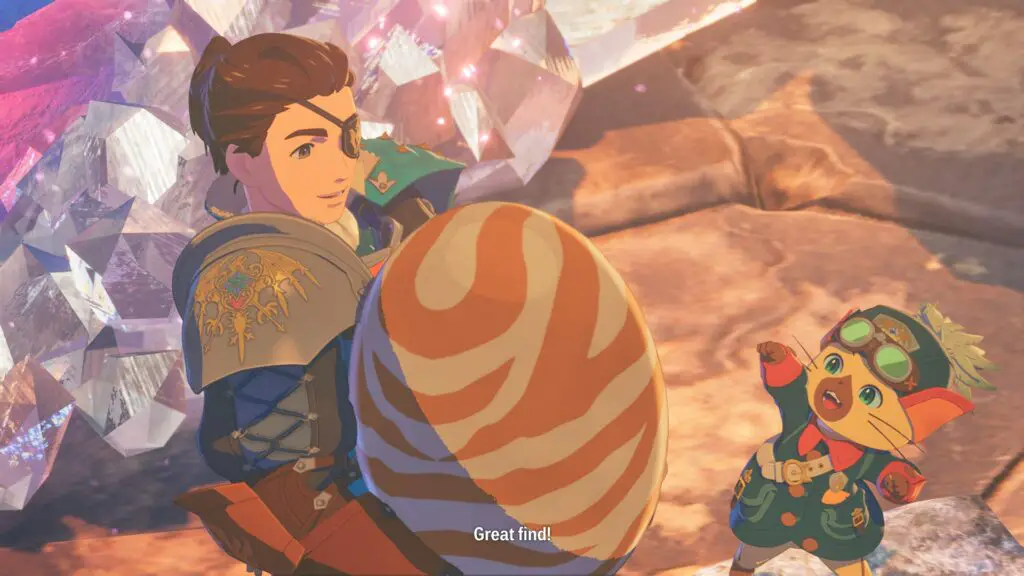
By cultivating specific environments, you can even induce mutant subspecies. For instance, a Glavenus variant may emerge only if the local ecosystem is dominated by other bladed species. It offers a deep, satisfying sandbox experience, even if it occasionally feels more like a genetic factory than a nature preserve.
Struggles with AI and Endgame Balance
Despite the mechanical depth, the main quest occasionally falters. Late-game encounters often rely on party-wiping gimmicks that demand hyper-specific configurations. Because players have limited influence over monster actions and zero control over AI teammates, these battles can feel unnecessarily restrictive. There is nothing more frustrating than losing a long encounter because an AI ally failed to select the correct counter-move.
A Narrative Set Adrift
As a storyteller, I found the narrative to be the weakest link. The high-concept premise of monster-fueled warfare is intriguing, but the actual “war” frequently occurs off-screen. Much of the journey is spent in self-imposed exile investigating dragon mysteries, leaving the central political crisis as a distant footnote.
Your companions also lack the development needed to make the player feel invested. While they are introduced as a veteran crew, the writing rarely provides the growth necessary to make their bonds feel earned. Side quests often repeat the same character beats without advancing personal arcs. By the finale, the emotional payoff feels unearned because the game hasn’t done the heavy lifting to build those relationships.
The Final Verdict: 71/100
Monster Hunter Stories 3: Twisted Reflection is a mechanically brilliant RPG that occasionally trips over its own storytelling ambitions. For players dedicated to breeding the ultimate Rathalos and mastering intricate PC games, there are dozens of hours of high-quality content here. However, if you are looking for a narrative that matches the epic scale of its creatures, you may find this reflection a bit too fractured.