
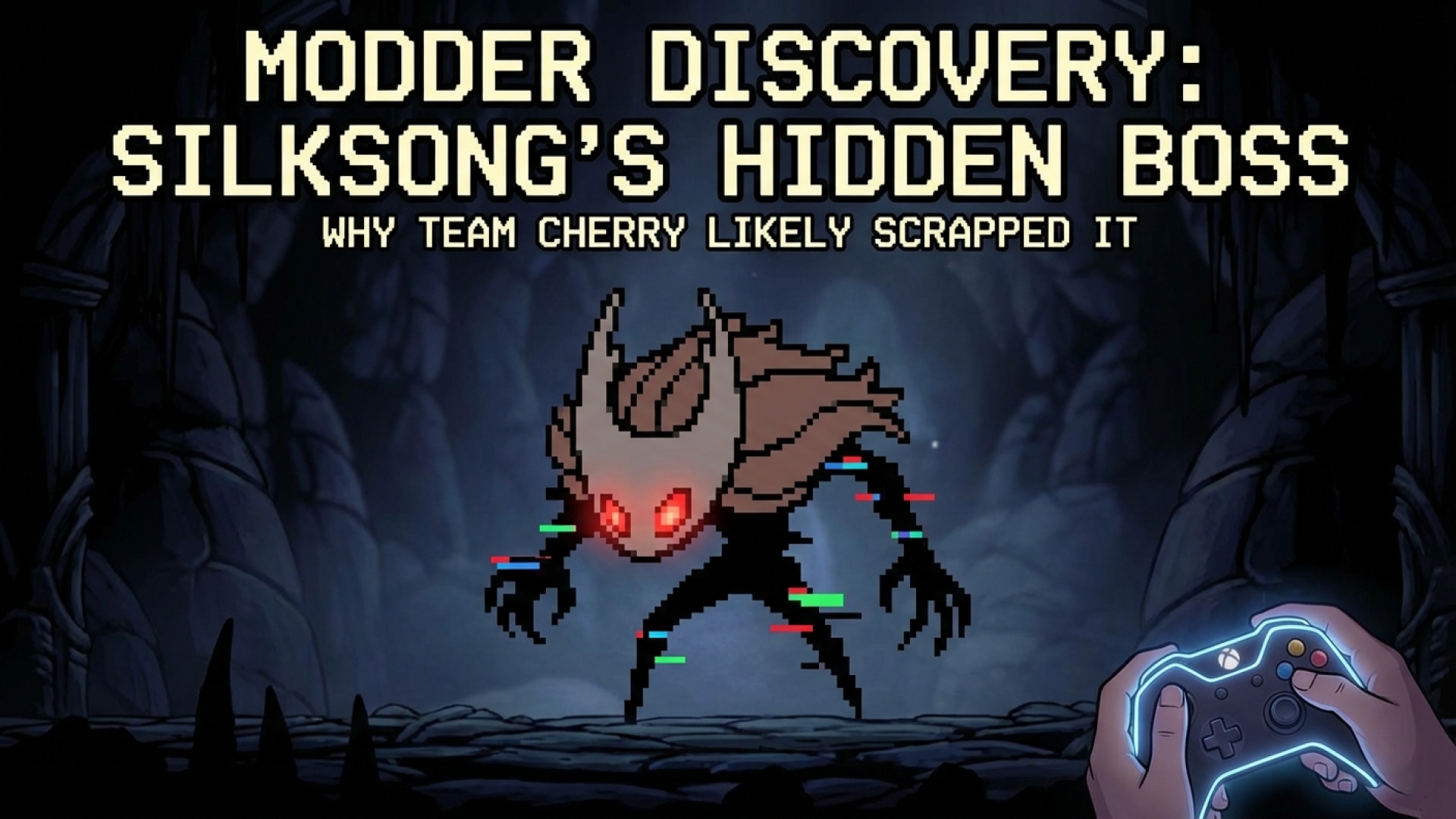
At Digital Tech Explorer, we love a deep dive into the technical architecture of our favorite titles. While the community continues to dissect every frame of Team Cherry’s work, dedicated modders and data miners are busy uncovering the secrets hidden within the game’s code. Recently, a fascinating discovery by technical enthusiast and YouTuber Kilroy Was Here brought to light significant cut content: an alternate, “voided” iteration of the Last Judge boss. By modding these fragmented assets back into a playable state, we gain a rare window into the iterative process of high-level game design.
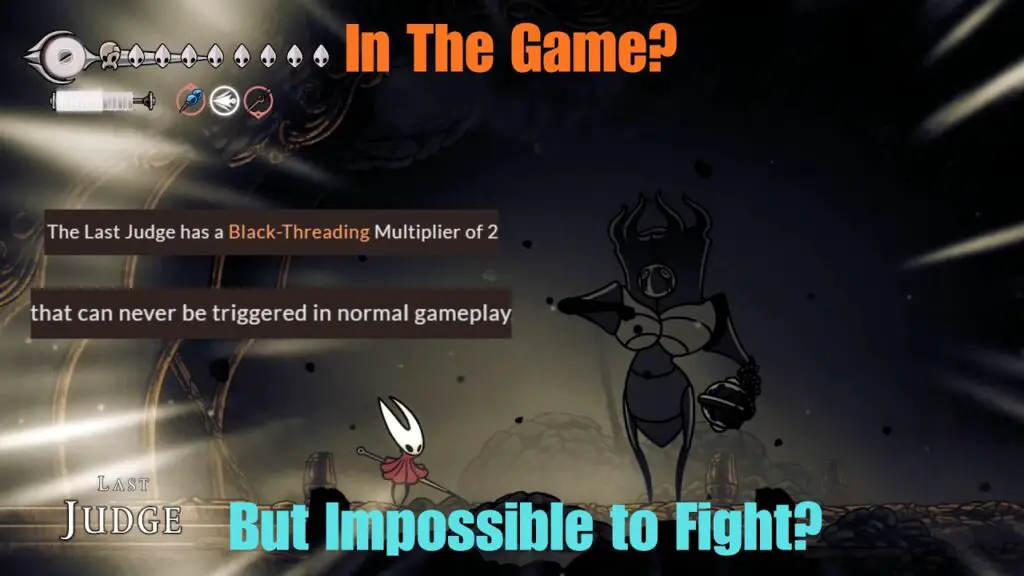
The Mechanics of the Last Judge Encounter
In the standard progression of Silksong, the Last Judge serves as a pivotal gatekeeper at the conclusion of Act 1. As an optional boss, she offers players a choice: bypass her via an alternative route to Act 2 or face her head-on. However, for those aiming for the completionist route or seeking entry into the elusive third act, defeating her is a technical requirement, as she guards a vital prerequisite for endgame access.
Technical Discovery: The Voided Variant
As TechTalesLeo, I’ve seen many instances where developers leave “ghost” code in a final build. This voided variant suggests Team Cherry originally planned a scaling difficulty system where skipped bosses would reappear later with enhanced abilities. By manipulating the game’s flags, researchers bypassed the initial encounter to trigger this unique boss state.
The transformation is more than just a palette swap. The Voided Last Judge features several notable changes:
| Feature | Standard Last Judge | Voided Variant (Cut Content) |
|---|---|---|
| Armor Aesthetic | Polished Bronze | Menacing Matte Black |
| Attack Element | Physical/Standard | Void-infused (Drains Silk) |
| Health Pool | Standard Act 1 Scaling | Significantly Increased (Endgame Scaling) |
| Core Logic | Base AI Routine | Modified AI with Additional Void Attacks |
While the visual presence of the boss is striking—specifically the dark void energy that now drains Hornet’s silk—the core combat loop remains largely tethered to the original Act 1 mechanics.

Analyzing the Discarded Combat Routines
The true intrigue lies in the “broken” attacks found within the files. When these routines are forced into the game’s engine, the results are hit-or-miss. A spinning blade attack showed promise, offering high damage and significant knockback that forced players to rethink their positioning. However, other moves highlight why this content was likely scrapped.
One specific routine involving void globs appeared to use projectile logic meant for a different enemy type entirely, making them trivial to dodge. Even more telling were the void tendrils. These assets sprout from the boss’s midsection at an angle that renders them harmless to Hornet. Due to the character’s shorter hitbox, these “deadly” attacks pass harmlessly overhead. As noted during the technical breakdown, Hornet’s stature, usually a disadvantage, acts as a natural counter to this unfinished code.
Why the Voided Last Judge Remained Unfinished
At Digital Tech Explorer, we believe transparency in development is fascinating. The incomplete nature of these void attacks suggests a classic case of scope refinement. While a “Voided” endgame encounter would have added depth, the unpolished hitboxes and ineffective AI routines would have required a total overhaul to meet Team Cherry’s high standards.
For now, the Voided Last Judge remains a digital relic—a testament to the ambitious ideas that hit the cutting room floor during the development of one of the most anticipated PC games of the decade. It serves as a reminder that in game design, sometimes what you leave out is just as important as what you put in.