
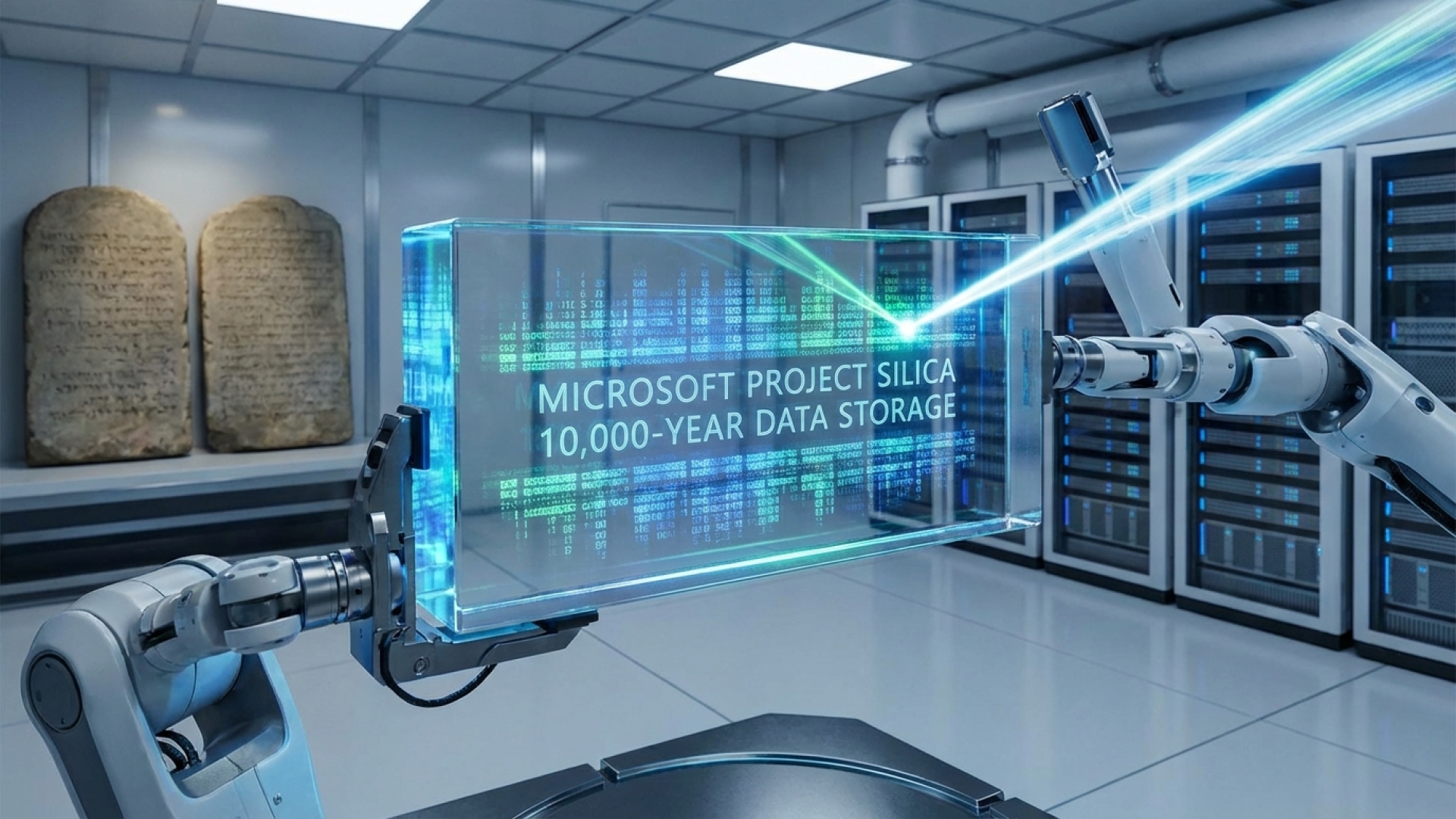
At Digital Tech Explorer, we are constantly tracking the evolution of digital memory. As a storyteller who has spent years navigating the landscape of digital innovation, I’ve often stared at my own collection of aging hard drives with a sense of trepidation. From high-resolution project files to personal archives, the question isn’t if a drive will fail, but when. Long-term data storage remains one of the most significant hurdles in our modern era.
While many of us have pivoted to high-performance hardware like SSDs, they aren’t the permanent solution we once hoped for. Even industry leaders like SanDisk admit that most SSDs have a lifespan of roughly 5 to 10 years. For those seeking true archival quality, that timeline is insufficient. However, a recent breakthrough from Microsoft research suggests a medium that could preserve our digital legacy for up to 10,000 years: laser-etched glass.
Innovations in Glass-Based Data Storage
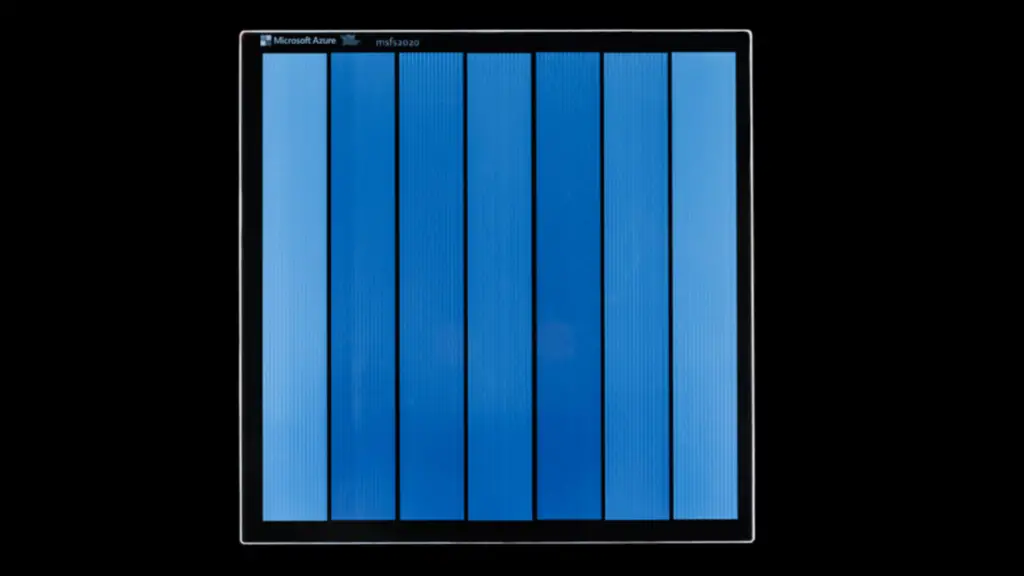
The concept of using femtosecond laser pulses to etch data into glass isn’t brand new, but its viability has always been hampered by cost. Microsoft has been iterating on this technology for years, yet the latest developments from the Project Silica team represent a massive leap toward commercial feasibility. The core of this breakthrough lies in making glass-based storage significantly more affordable and scalable for the masses.
Project Silica: From Luxury Labs to Kitchen Science
According to insights from Richard Black, a partner research manager on the project, the team has successfully transitioned away from expensive fused silica. Instead, they are now utilizing borosilicate glass—the same durable material you might find in high-quality kitchen cookware. This shift from specialized materials to common industrial glass drastically lowers the barrier to entry for sustainable digital preservation.
Comparing Modern Storage Durability
| Storage Medium | Estimated Lifespan | Primary Use Case |
|---|---|---|
| Standard HDD | 3–5 Years | Bulk Data Backup |
| Modern SSD | 5–10 Years | High-Speed Performance |
| LTO Magnetic Tape | 15–30 Years | Enterprise Archiving |
| Project Silica (Glass) | Up to 10,000 Years | Permanent Archival |
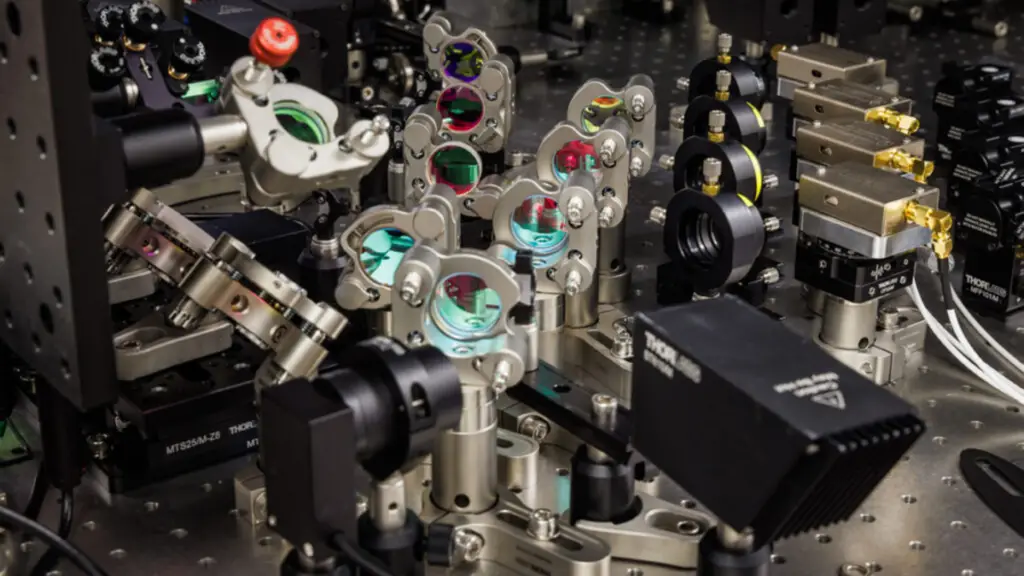
Cost reduction isn’t limited to the glass itself. The research team has also optimized the reading and writing hardware. “The reader for the glass now needs only one camera, not three or four, reducing cost and size,” Black noted. Furthermore, the writing devices have been streamlined with fewer parts, allowing for faster data encoding and easier calibration during the manufacturing process.
The Vision for a Sustainable Digital Future
As we explore the intersection of AI and hardware, the need for stable data repositories becomes even more critical. Imagine a future where libraries are filled with translucent, twinkling plates of glass rather than humming, energy-hungry server racks. This isn’t just a sci-fi dream; it’s a necessary step toward long-term data sustainability.
While the research phase of Project Silica has concluded, it may still be some time before you can buy a glass-based drive for your home setup. However, the learnings from this project are already shaping how we think about the “eternal” storage of human knowledge. Here at Digital Tech Explorer, we remain committed to bringing you the stories behind these emerging trends, helping you stay ahead of the curve in an ever-changing digital world.
Stay tuned for more in-depth analyses on the future of storage and digital innovation from TechTalesLeo.