As a tech storyteller here at Digital Tech Explorer, I’ve always been fascinated by how niche analog concepts bleed into modern digital experiences. Easily the biggest influence on how I’ve run tabletop RPG (TTRPG) campaigns over the last few years has been the OSR movement. Short for Old School Renaissance, it is a subgenre of games that revisits the origins of D&D, reviving ideas that had fallen out of favor in the modern gaming hobby—such as lethal dungeons, morally grey heroes, and a heavy emphasis on player problem-solving over character stats and dice rolls.
This design philosophy hasn’t just stayed on the tabletop; it has heavily influenced one of the most intriguing PC games of the year: Mewgenics. Developed by Edmund McMillen and Tyler Glaiel, the game draws specific inspiration from one of the OSR’s most brutal mechanics to create its most memorable areas.
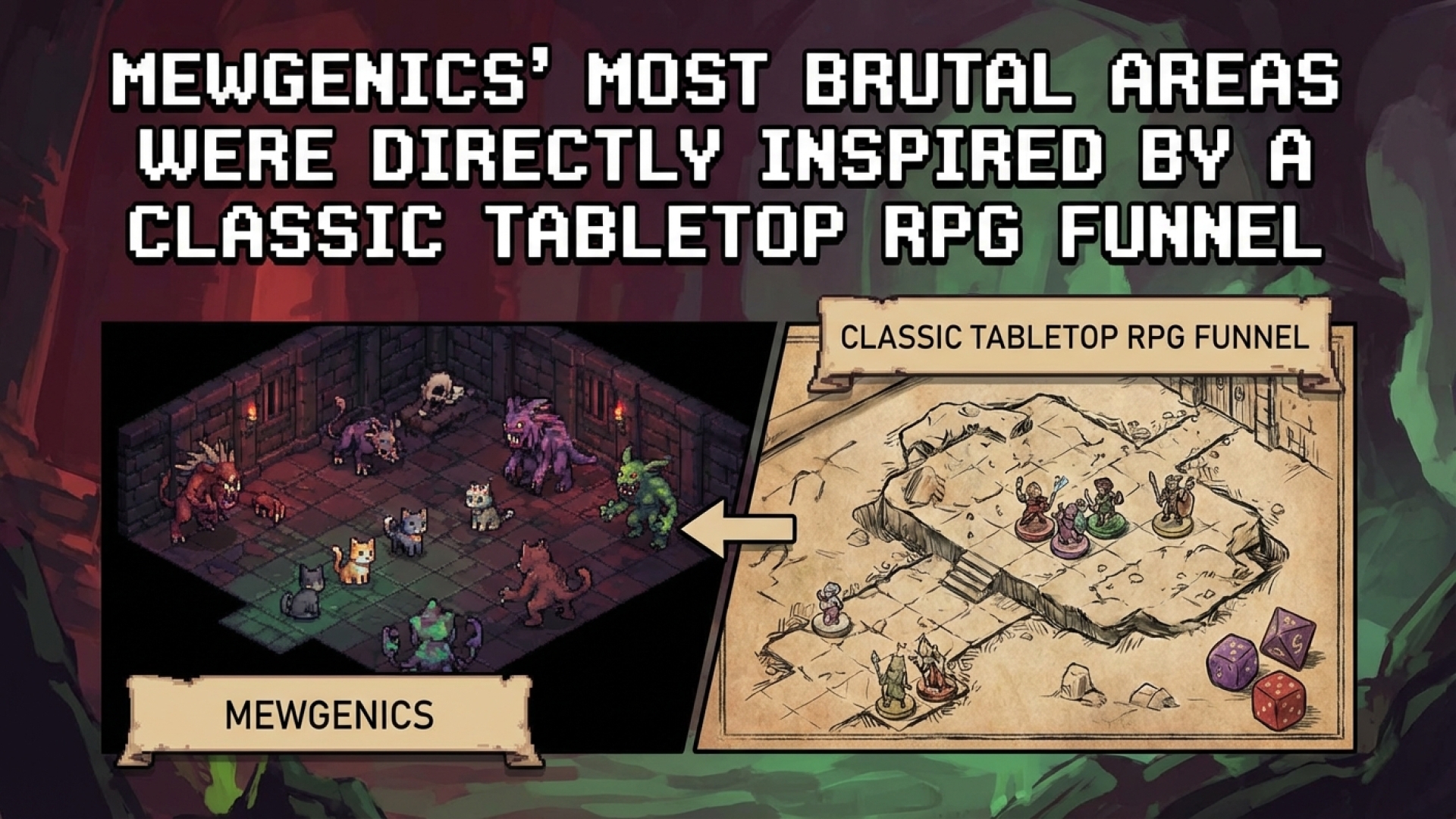
While McMillen has cited the OSR TTRPG Dungeon Crawl Classics (DCC) as a major touchstone, Glaiel clarified on social media that two specific zones—The Desert and The Lab—were intentionally designed to act as a “level 0 funnel.”
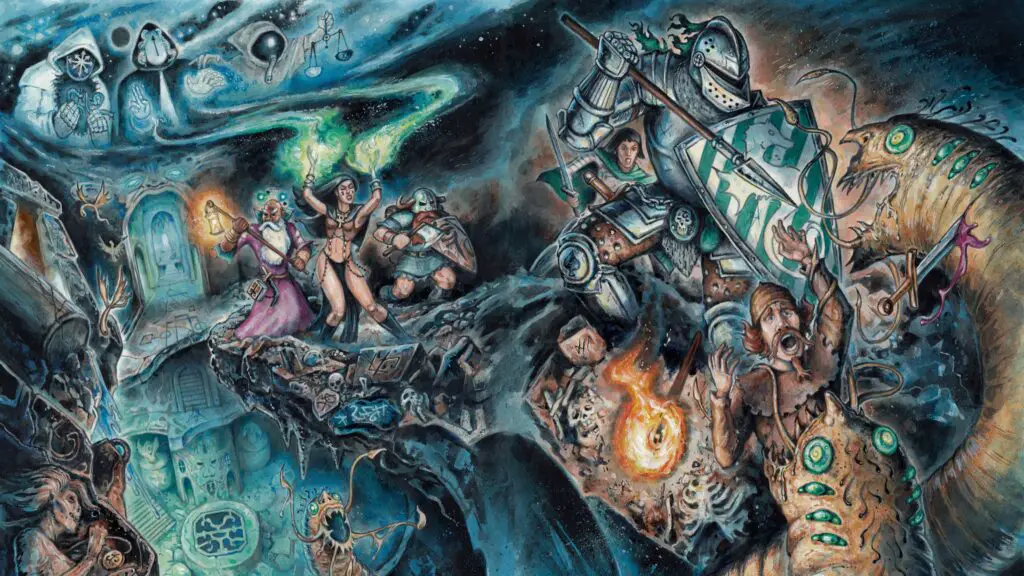
Adventurers battling monsters in a surreal realm in Dungeon Crawl Classics.
Decoding the “Level 0 Funnel” Concept
What exactly is a level 0 funnel? This unique adventure style was popularized by Dungeon Crawl Classics. In most modern RPGs, you begin as a competent Level 1 hero. DCC flips this on its head to lean into the “gonzo” lethality of old-school play.
In a funnel, players don’t start with one hero; they start with four level 0 characters. These are randomly generated villagers—peasants, chicken butchers, or gravediggers—who lack a proper class. You then send this “mob” into a brutally difficult dungeon. As these fledgling characters are picked off by traps and monsters, the game “funnels” the survivors. The one character who manages to emerge alive earns their place as a Level 1 adventurer, finally choosing a class based on the trials they survived.
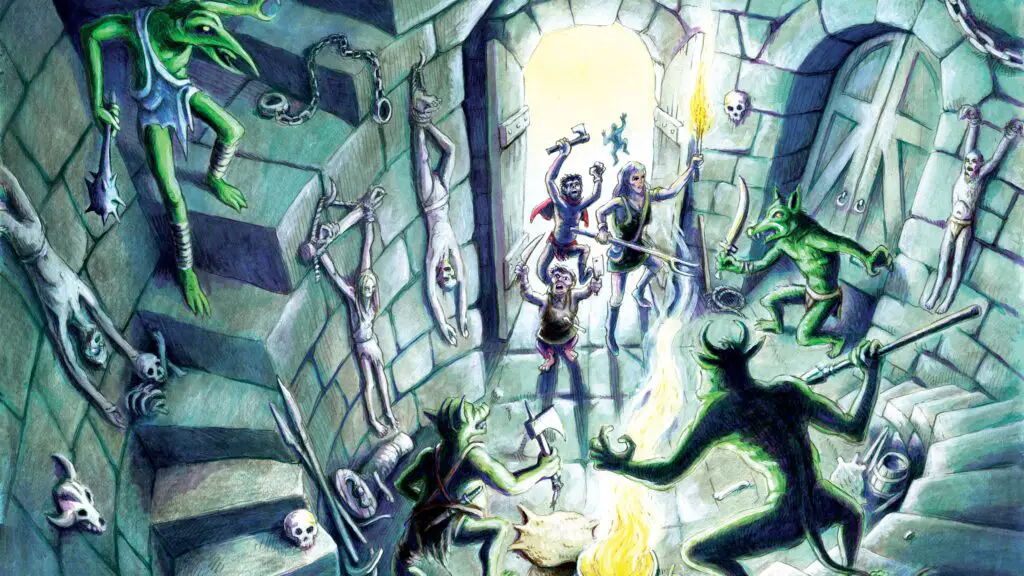
The chaos of a DCC funnel: quantity over quality until the heroes emerge.
How Mewgenics Implements the Funnel
In Mewgenics, this concept is adapted to test the longevity of your party. The Desert and the Lab act as survival filters for your feline team. Here is how the digital “funnel” compares to its tabletop inspiration:
Feature
DCC (Tabletop)
Mewgenics (Digital)
Goal
Filter four level 0s into one level 1.
Test party longevity and weed out weak cats.
Primary Threat
Instant-death traps and high-damage monsters.
Heat mechanics, healing limits, and diseases.
Outcome
Survival defines your class and backstory.
Survivors prove their viability for high-level Acts.
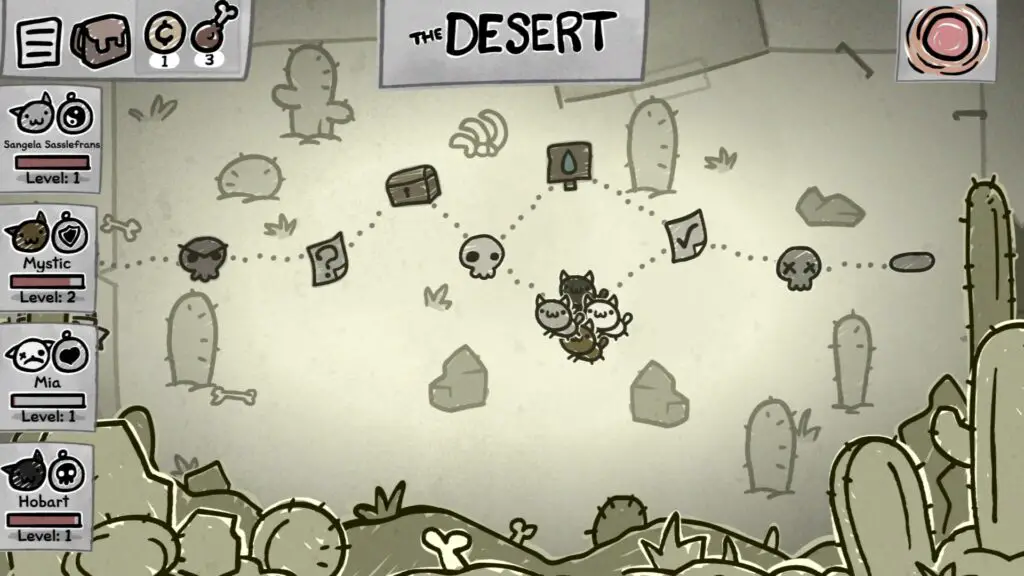
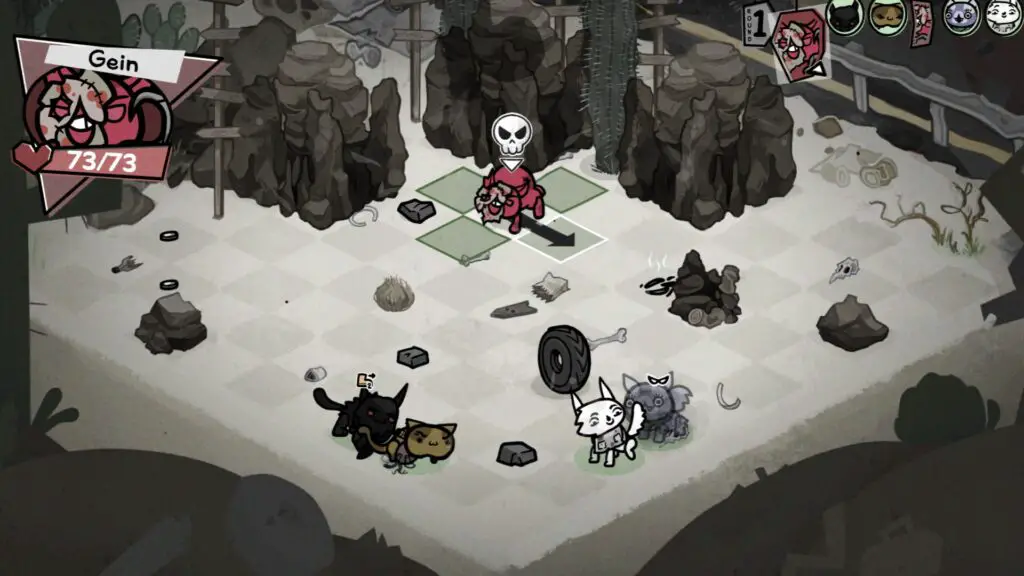
In the Desert, the heat mechanics limit your ability to heal, making every mistake permanent. Your weakest cats will repeatedly fall, and by the end of the trek, you are often forced to abandon them to prevent their stat penalties from dragging down the rest of the survivors.
The Desert in Mewgenics: A survival test that demands resource management.
The Lab is even more ruthless. It features encounters that can inflict debilitating diseases or instant injuries. Boss fights here serve as a “DPS check,” ruthlessly punishing any party that hasn’t optimized their damage output. If your cats can’t survive the Lab, they aren’t ready for the endgame of Act 3.
High-stakes combat in the Lab requires both luck and tactical precision.
The Evolution of Tech Storytelling in Games
At Digital Tech Explorer, we love seeing developers move beyond simple nostalgia. Instead of just replicating the graphics of the 90s, the Mewgenics team is translating deep, mechanical philosophies from the TTRPG world into a digital format. It creates a sense of player freedom and consequence that feels both fresh and ancient.
If you’re interested in experiencing the “funnel” for yourself in its original form, I highly recommend looking into the DCC adventure Sailors on the Starless Sea. It’s a beautifully chaotic introduction to the hobby. And for those sticking to the digital realm, keep an eye on how these OSR influences continue to shape the 2024 releases and beyond.
For more in-depth analyses of how classic design meets modern software, stay tuned to Digital Tech Explorer.