
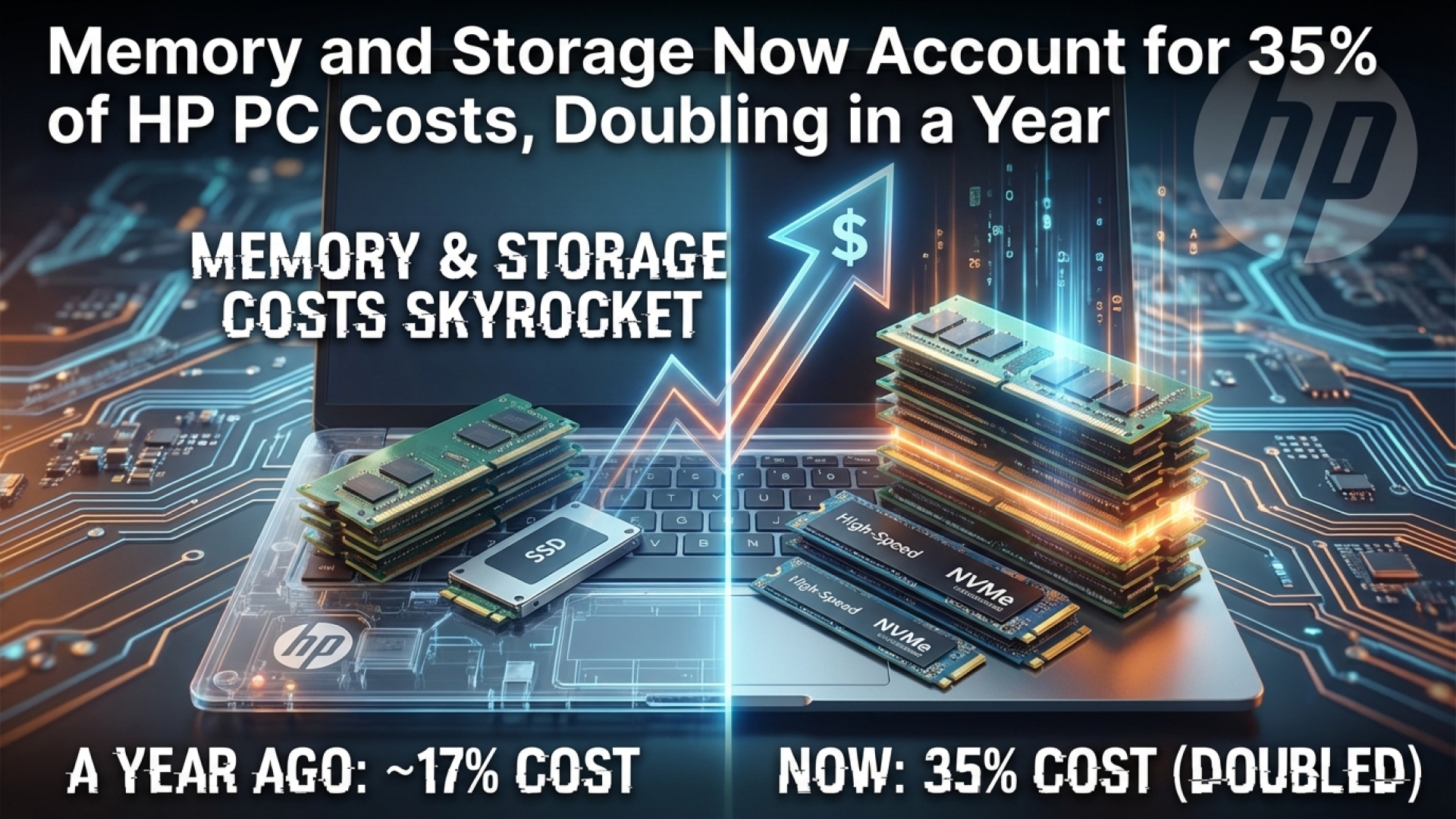
At Digital Tech Explorer, we are closely monitoring a seismic shift in the hardware landscape. The cost of essential memory and storage components in HP PCs has surged to an unprecedented level, now accounting for approximately 35% of the total bill of materials. This figure represents a staggering jump, nearly doubling from the 15% to 18% range recorded just a year ago, highlighting a significant challenge for the PC manufacturing industry as we navigate 2024.
Rising Memory and Storage Costs Impact HP PCs
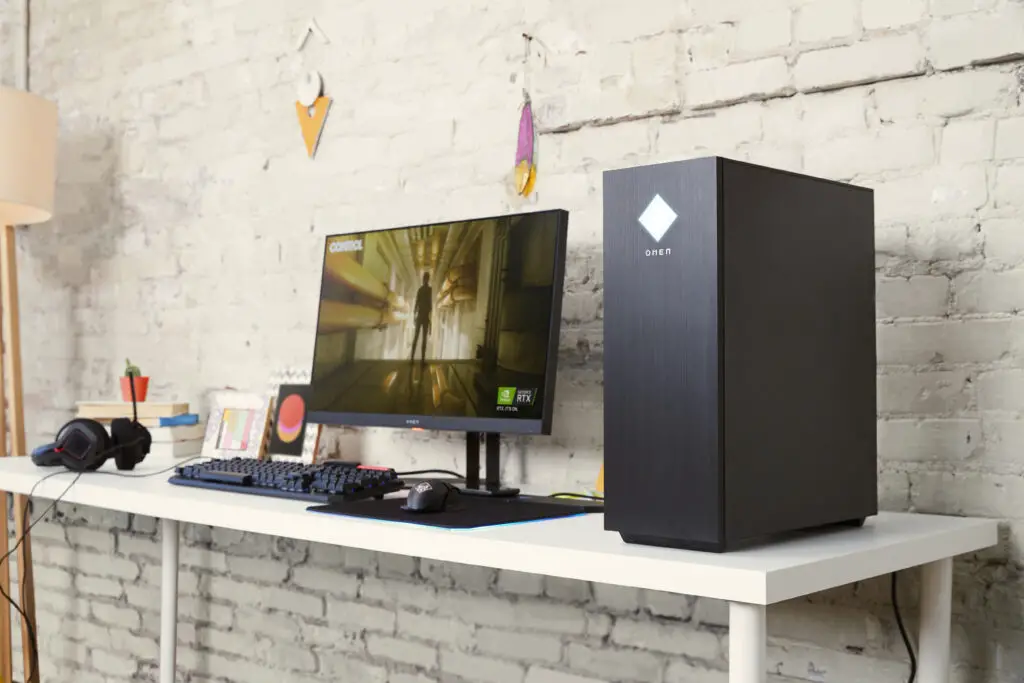
According to HP’s CFO, Karen Parkhill, the proportion of production costs attributed to RAM and NAND flash storage has reached record highs. This surge directly influences the manufacturing expense for high-performance systems like the HP Omen 30L gaming desktop and other professional gaming rigs. The following table illustrates the dramatic shift in component cost allocation over the past fiscal year:
| Metric | Previous Year | Current Year (2024) |
|---|---|---|
| Memory & Storage % of Bill of Materials | 15% – 18% | 35% |
| AI PC Shipment Share | 25% (Q1) | 35% (Current) |
| Division Revenue (Personal Systems) | $9.2 Billion | $10.3 Billion |
Strategic Response to Supply Chain Volatility
As TechTalesLeo, I’ve seen how digital innovation often meets physical roadblocks. To counter this escalating GPU and memory-adjacent crisis, HP is implementing aggressive supply chain maneuvers. Interim CEO Bruce Broussard highlighted several strategic actions intended to stabilize the bottom line, including securing long-term agreements for memory requirements extending through fiscal year 2026.
The company is also qualifying new suppliers—including potential Chinese DRAM manufacturers—and building strategic inventory positions for core platforms. By accelerating the time needed to qualify new materials, HP aims to pivot its product configurations more rapidly in response to volatile memory pricing. Despite these “headwinds,” HP’s personal systems division reported a robust $10.3 billion in revenue, an 11% year-on-year increase, fueled largely by the rising demand for AI-accelerated hardware.
The AI PC Boom: A Double-Edged Sword
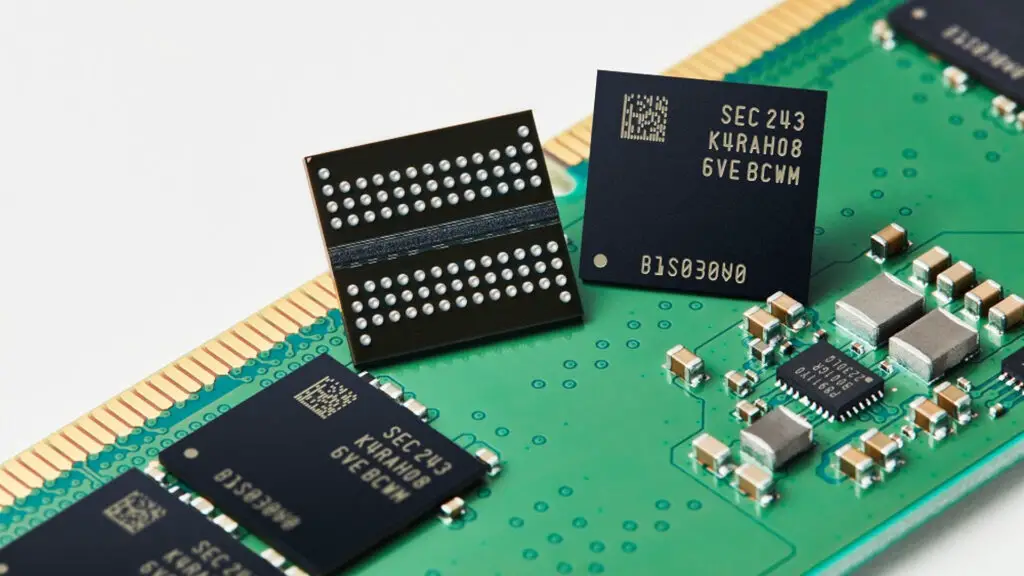
In a fascinating twist of tech storytelling, the very technology driving the demand for more RAM—Artificial Intelligence—is also what’s keeping sales figures buoyant. AI PCs accounted for over 35% of HP’s shipments this quarter, a steady climb from 25% just six months ago. The industry-wide push for Windows 11 adoption and specialized machine learning hardware is creating a significant tailwind for the market.
Ketan Patel, HP’s President of Personal Systems, noted that Independent Software Vendors (ISVs) are increasingly developing applications designed to run locally on these units. This localized performance requires more robust memory and storage configurations, reinforcing the cycle of high demand and high component costs.
Future Outlook for the Component Market
While current sales are strong, Digital Tech Explorer advises caution for the coming quarters. HP’s leadership has indicated they expect to land at the lower end of their guidance range due to the “increasingly challenging operating environment.” While major manufacturers often use existing contracts to delay the impact of DRAM price spikes, these protections are temporary.
Market analysts suggest that the pressure on NAND flash memory and RAM costs may not ease until 2028, when new production capacities finally come online. For tech enthusiasts and professionals, this means staying informed on hardware trends is more critical than ever. We will continue to track these developments to help you make the most informed decisions for your next build or purchase.
Disclaimer: All content on Digital Tech Explorer is for informational and entertainment purposes only. We do not provide financial or legal advice. Some of the links on Digital Tech Explorer are affiliate links. This means we may earn a commission if you click through and make a purchase, at no additional cost to you. Our recommendations are based on thorough research and personal experience.