
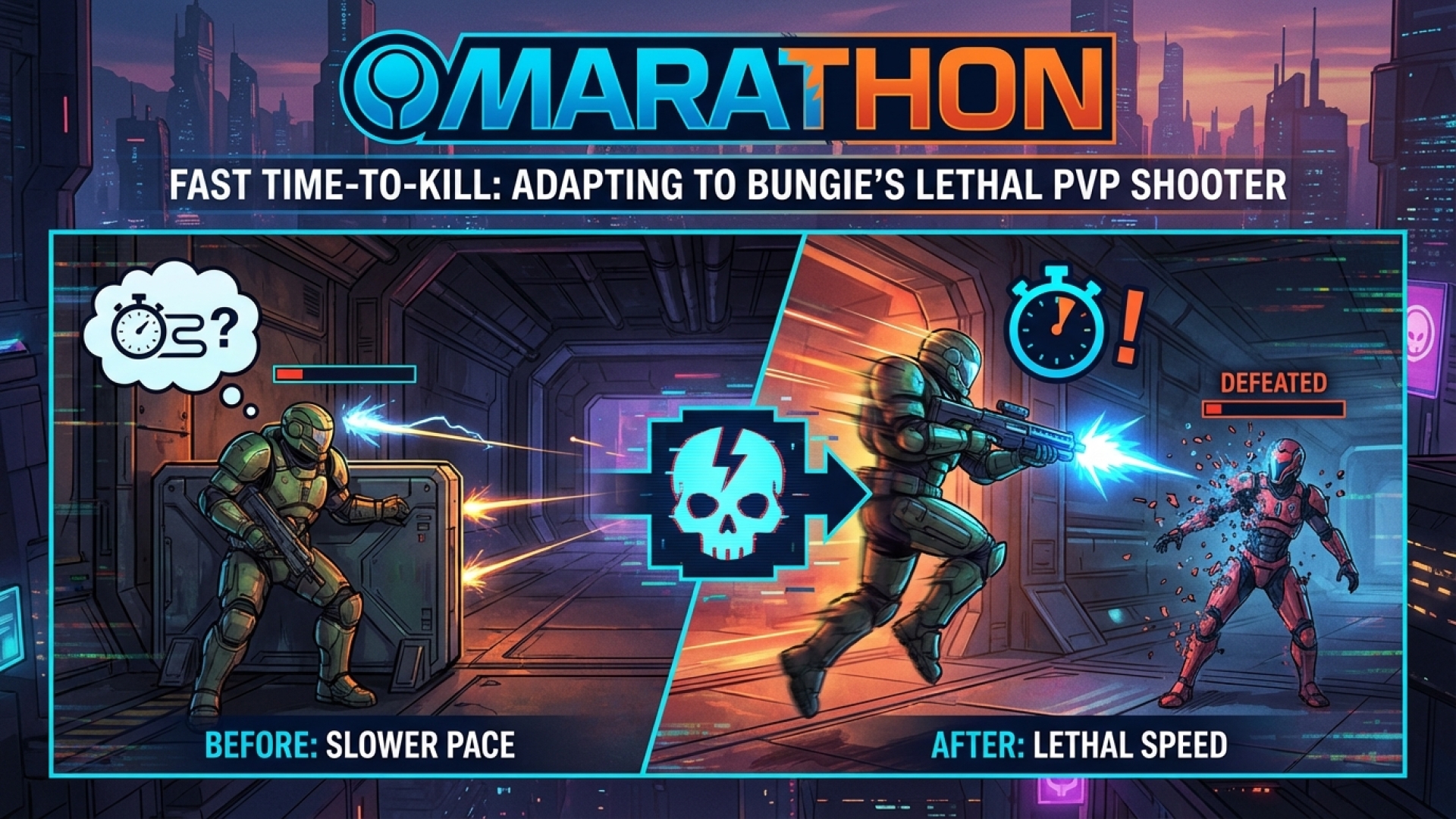
As a storyteller who lives at the intersection of digital innovation and gaming culture, I often find myself dissecting game mechanics through a narrative lens. Recently, my focus has shifted toward the evolving landscape of extraction shooters—a genre that thrives on tension, risk, and mechanical precision. After spending over 100 hours immersed in the world of Arc Raiders, diving into the Marathon server slam felt like a sudden shift in digital physics. It raised a pressing question: Is Marathon’s time-to-kill (TTK) genuinely too fast, or have I simply been “Arc Raiders-pilled”?
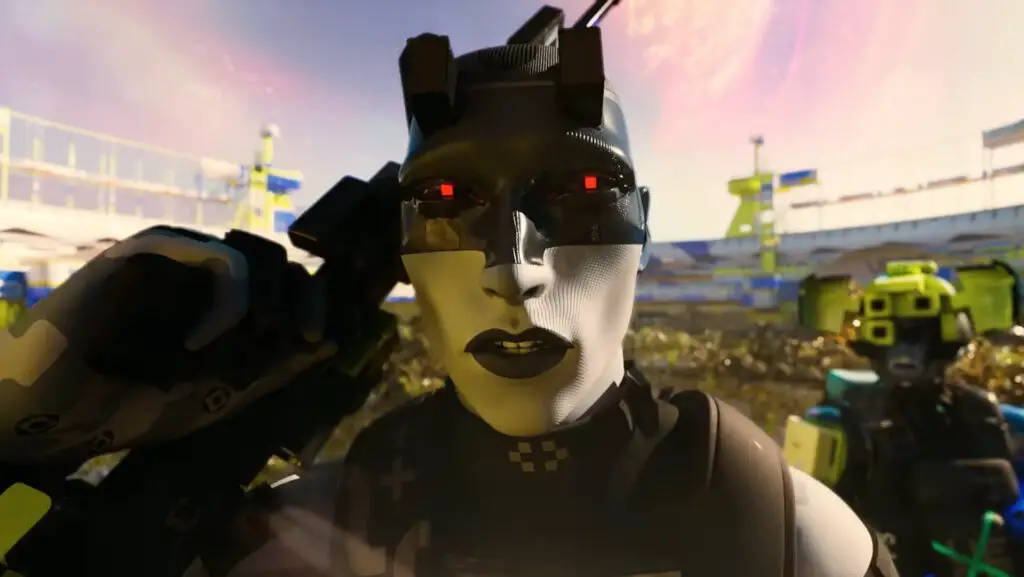
The Mechanical Culture Shock: Marathon vs. Arc Raiders
Stepping into gaming’s next big extraction frontier, my initial impressions of Marathon were colored by the rhythms of Embark’s Arc Raiders. I expected the familiar safety nets: generous free loadouts, drone enemies that could be easily circumvented, and a generally more forgiving lobby atmosphere. Instead, my first day in Bungie’s latest project was a brutal masterclass in squad wipes, technical errors against UESC bots, and a steep learning curve regarding its MMO-lite buildcrafting systems.
The primary friction point was the lethality of combat. In Marathon, the time-to-kill feels blistering. Most weapons can drop a player from full health in less than a single magazine. Coming from a background in software solutions and tech analysis, I initially viewed this through a balance-logic lens: surely the team that spots the enemy first has an insurmountable advantage? However, as I synchronized with a coordinated squad and utilized tactical communication, the intentional design of this “lethality” became evident.
Combat Mechanic Comparison
| Feature | Marathon (Bungie) | Arc Raiders (Embark) | Hunt: Showdown (Crytek) |
|---|---|---|---|
| Time-to-Kill (TTK) | Very Fast / Lethal | Moderate (Shield-based) | Very Fast / High Stakes |
| Revive Mechanics | Generous (Triage Ability) | Restrictive for Solos | Strategic / Multi-revive |
| Focus | Tactical Squad PvP | Resource Extraction/PvE | Sound-based PvPvE |
| Progression | Deep Buildcrafting | Gadget & Skill Focused | Perk & Loadout Heavy |
Shifting Perspectives: The Hunt: Showdown Parallel
My “aha!” moment occurred when I stopped comparing Marathon to the movement-heavy shooters and started viewing it as a spiritual cousin to Hunt: Showdown. In both titles, PvP isn’t just an obstacle—it is the central, lethal heartbeat of the experience. Success isn’t just about twitch reflexes; it’s about sound cues, positioning, and the tactical use of the environment. While the AI mobs and boss encounters provide the framework, they ultimately serve as “sound traps” to trigger intense player-versus-player engagements.
Marathon’s fast TTK is tempered by its Triage system—a powerful multi-revive ability that allows for extended, multi-phase squad fights. This creates a fascinating paradox: while you can die quickly, your squad’s utility can keep you in the fight longer than in more “forgiving” shooters. It reinforces the idea that Marathon is built from the ground up as a team-based experience. Solo play is a gauntlet, but a synchronized trio transforms the game into a high-stakes chess match of AI-driven chaos and precision shooting.

The Barrier to Entry: Refining the New User Experience
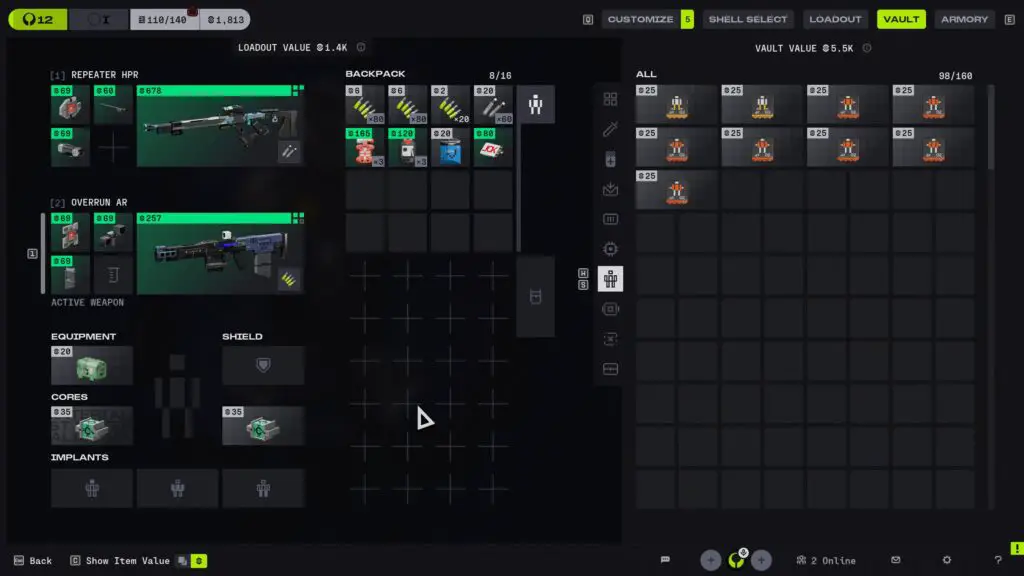
While the core gameplay loop is addictive, my role at Digital Tech Explorer is to look at the usability and long-term viability of these digital products. Currently, Marathon faces a significant hurdle: the early-game “gear fear.” Losing a loadout in the initial stages of progression feels disproportionately punishing. When players have to spend scarce in-game currency on basic healing items or sacrifice precious backpack real estate for ammo, the friction can overshadow the fun.
There is also a notable conflict in resource management. Forcing new players to choose between spending materials on permanent skill tree upgrades or immediate survival tools (like health packs and shield charges) creates a “feel-bad” loop. It’s a design philosophy reminiscent of early Escape From Tarkov, which may alienate the broader audience Bungie typically attracts.
Final Thoughts for the Tech Enthusiast
Marathon isn’t “too fast”—it’s just uncompromising. The inclusion of blue and purple shields effectively doubles the average TTK in the late game, suggesting that the “fast” feeling is a symptom of early-game vulnerability. As we look toward the 2024-2025 releases, the success of Marathon will likely depend on how Bungie streamlines the “boring” parts of the economy to let the “thrilling” parts of the PvP shine.
For those of us who love analyzing the hardware requirements and software optimizations of modern gaming, Marathon represents a bold step forward in visual style and netcode stability. I’ll be watching closely to see how the meta evolves—but for now, I’ll be making sure my squad is fully kitted before we even think about touching the “Deploy” button.