
The gaming peripheral market is witnessing a refreshing leap forward with the introduction of innovative mouse technology, sparking excitement among PC enthusiasts. After a period dominated by frustrations over escalating hardware prices for GPUs and memory, the focus has shifted to the tangible advancements offered by a groundbreaking new device: the Logitech G Pro X2 Superstrike. At Digital Tech Explorer, we’ve tracked the evolution of hardware for years, but this particular release signals a major shift in how we interact with our digital environments.
The Technology: Haptic Inductive Trigger System (HITS)
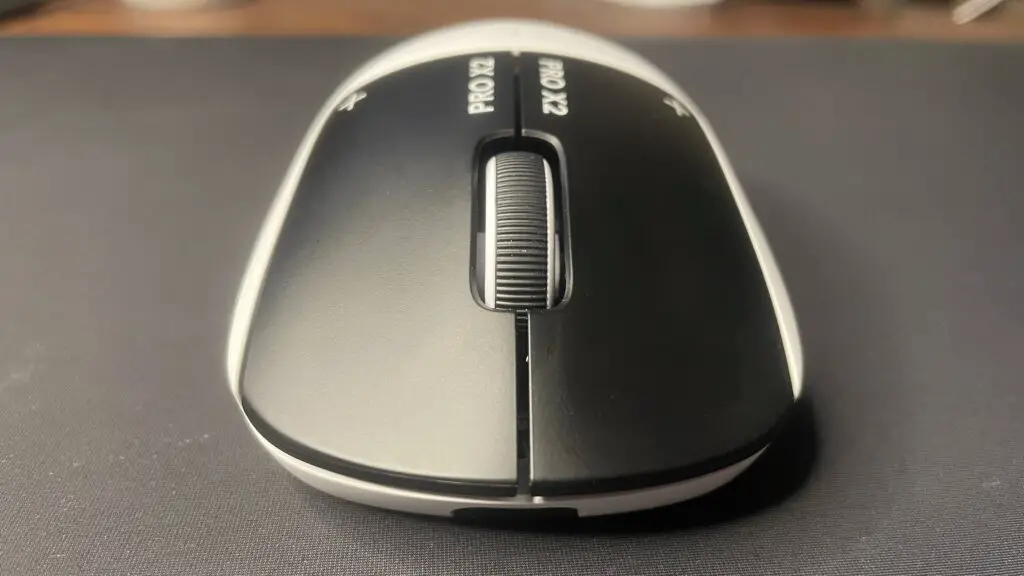
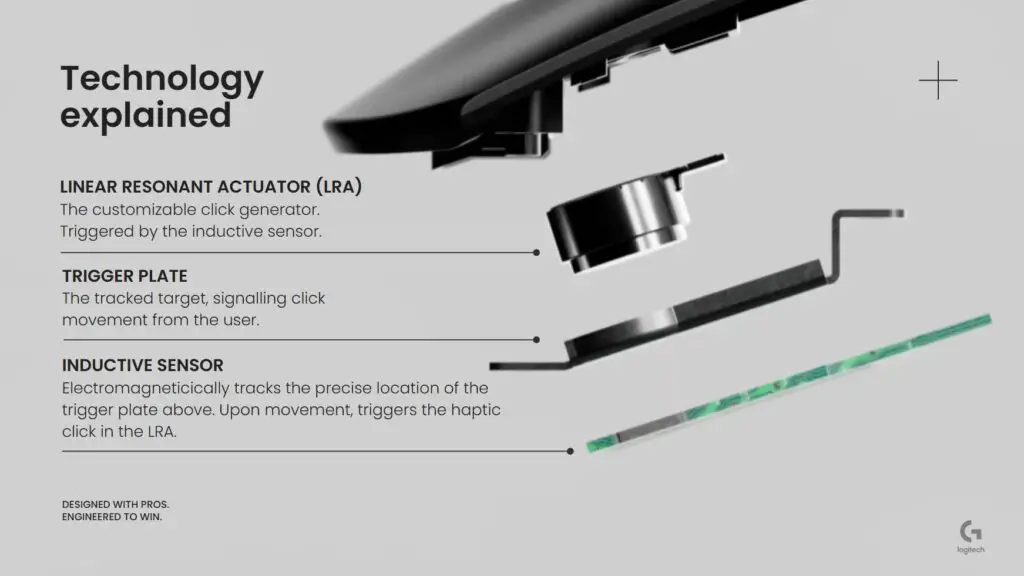
The core of the Superstrike’s innovation lies in its Haptic Inductive Trigger System (HITS). Unlike traditional peripherals, the Superstrike integrates analogue switches beneath its primary buttons. This allows for fully adjustable actuation and rapid trigger functionality, features that were previously the exclusive domain of high-end gaming keyboards.
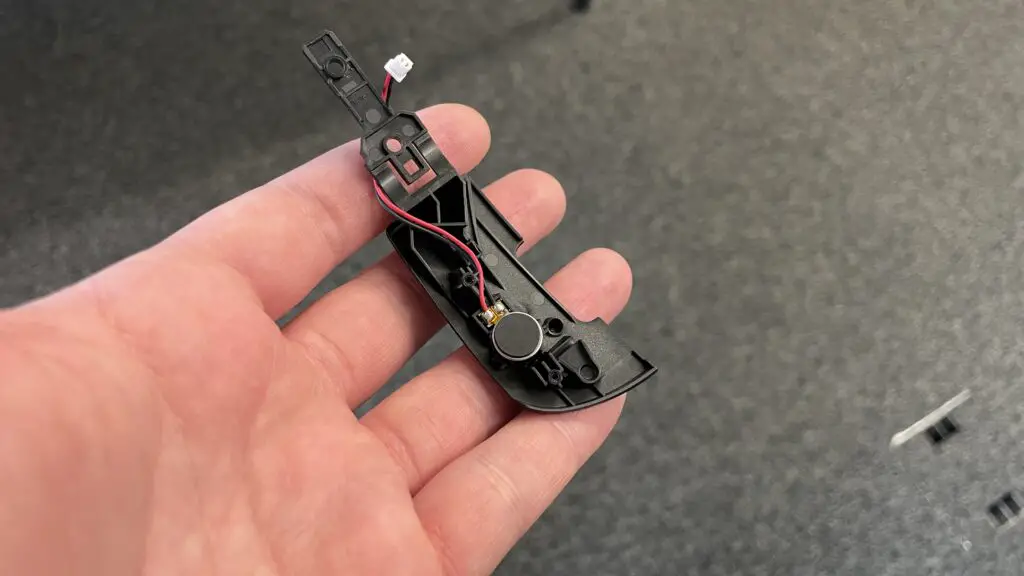
Because these switches rely on induction rather than a physical mechanical contact point, the mouse employs specialized haptic motors to simulate the sensation of a click. This eliminates mechanical latency and provides ultra-light actuation benefits. In our testing at Digital Tech Explorer, we found this creates a seamless bridge between user intent and on-screen action, much like the AI acceleration we see in modern software—it simply makes the process faster and more efficient.
Induction vs. Traditional Mechanical Switches
To better understand how this impacts your setup, let’s look at the technical differences:
| Feature | Traditional Mechanical | Logitech HITS (Superstrike) |
|---|---|---|
| Actuation Method | Physical Metal Contact | Inductive Analog Sensor |
| Actuation Point | Fixed | User-Adjustable |
| Tactile Feedback | Mechanical Leaf Spring | Haptic Motor Simulation |
| Rapid Trigger Support | No | Yes |
Market Comparison and Industry Impact
The introduction of HITS technology is poised to reshape the market, mirroring the impact Hall effect technology had on keyboards. When analogue keyboards first emerged, they were niche tools for enthusiasts; today, they are the gold standard for competitive PC games. We expect a similar trajectory here, with smaller competitors likely adopting induction technologies to provide more affordable alternatives as the “Superstrike hype” stabilizes.
Tangible Benefits in Competitive Play
For the competitive gamer, adjustable actuation isn’t just a gimmick—it’s a performance multiplier. In tactical FPS titles like Counter-Strike 2 or fast-paced MOBAs, setting the actuation point to your specific pressure preference provides a level of response traditional mice cannot match. It effectively raises the skill ceiling by allowing for micro-adjustments in how commands are registered.

Design Criticisms and Hardware Carry-overs
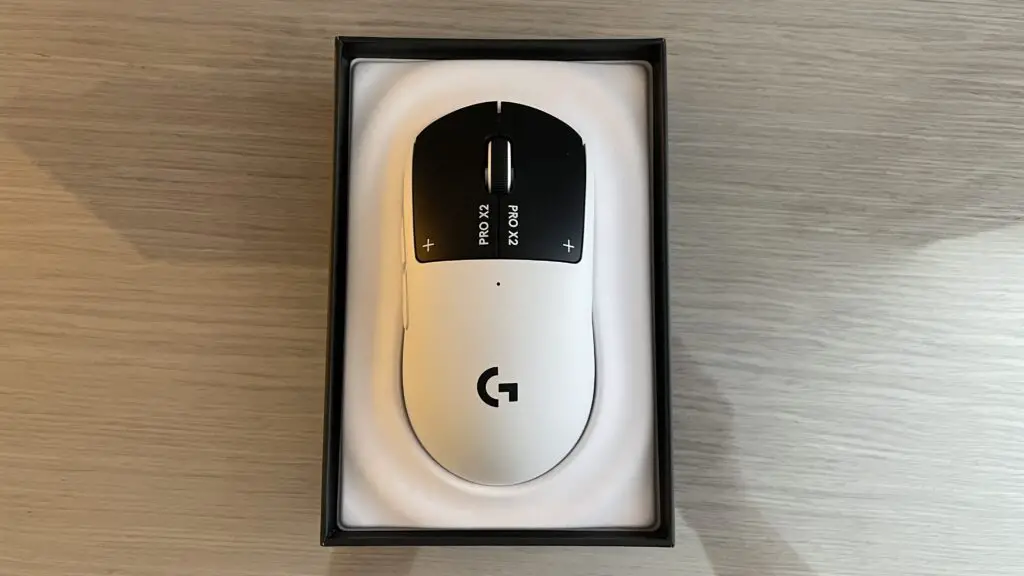
No piece of tech is without its growing pains. The Superstrike utilizes the existing G Pro X Superlight 2 shell, which has drawn some criticism. This means it inherits known quirks, such as a middle click that requires a firm touch and stock UPE skates that can feel sluggish on specific cloth pads. However, the decision to reuse the shell was a tactical move by Logitech to prioritize internal innovation over external aesthetics.
The “Golden Nugget” Strategy
Logitech’s chief engineer, Regis Croisonnier, noted that the priority was getting the “golden nugget” of HITS technology into the hands of users as quickly as possible. Croisonnier explained: “We knew we had a golden nugget in our hands. We wanted to move fast, so we took all the shortcuts we could… When you have it in your hand, the benefit is obvious.” At Digital Tech Explorer, we value this transparency—sometimes, the internal breakthrough is more important than a new coat of paint.
Final Thoughts
The Superstrike represents a significant leap forward, standing alongside milestones like 3D V-Cache for CPUs and OLED for monitors. By proving that induction and rapid trigger technology are viable in a mouse format, Logitech has set a new standard for the entire peripheral industry. For tech enthusiasts and professionals alike, this is more than just a new mouse; it is a glimpse into the future of human-computer interaction.
Disclaimer: All content on Digital Tech Explorer is for informational and entertainment purposes only. Some of the links on our site are affiliate links, meaning we may earn a commission if you click through and make a purchase, at no additional cost to you. Our recommendations are always based on thorough research and real-world testing.