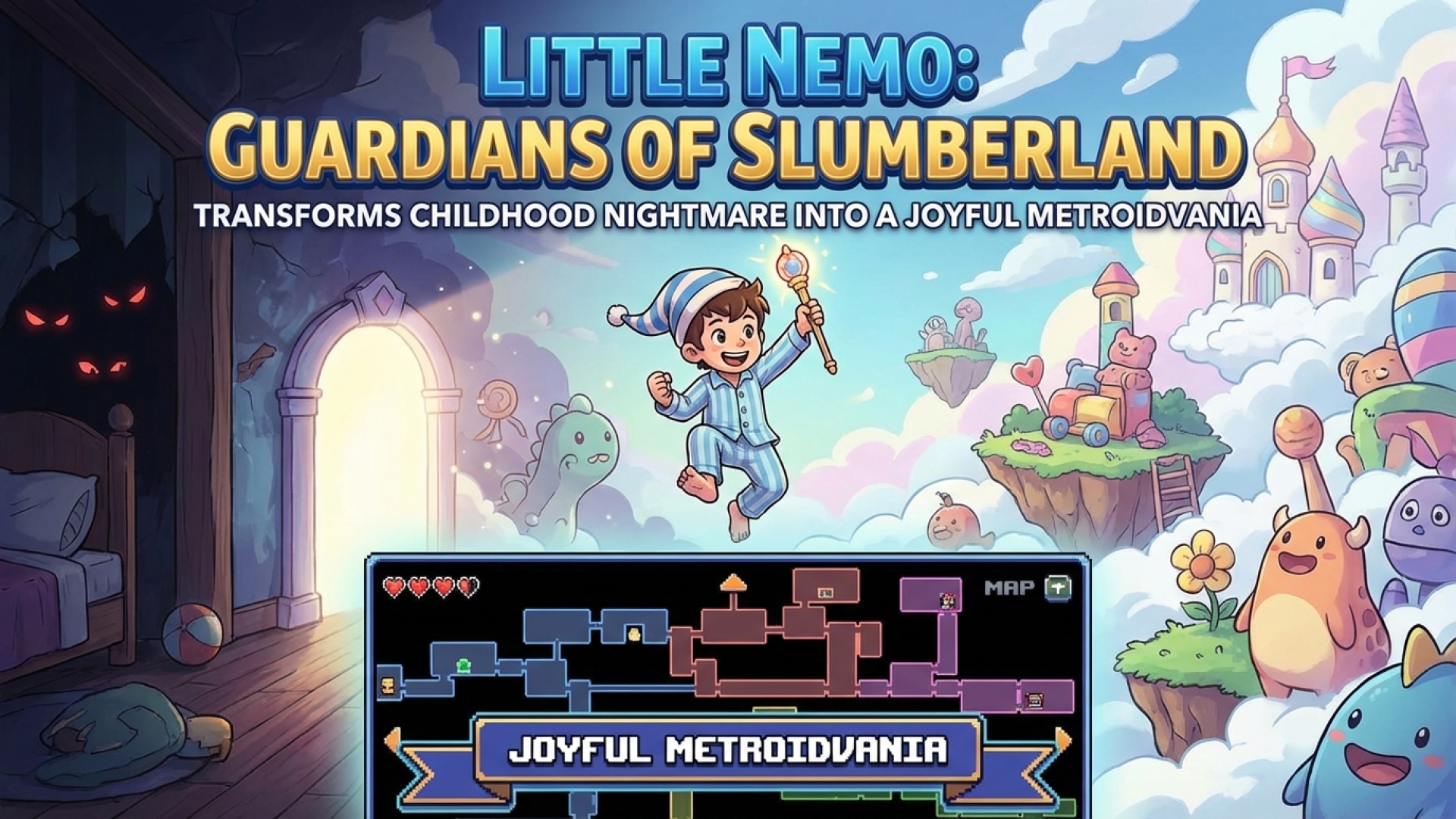
At Digital Tech Explorer, we are constantly tracking how digital innovation breathes new life into classic concepts. Recently, while visiting friends with young children, I noticed they were captivated by “K-Pop Demon Hunters.” However, their parents were quick to fast-forward through the “scary parts.” It made me reflect on the media that shaped my own childhood. Those kids might have been truly overwhelmed by the animated features that left me terrified years ago, such as All Dogs Go to Heaven—which opens with a canine descent into the underworld—or Little Nemo: Adventures in Slumberland. I remember very little of the latter because I only made it through half the film thirty years ago before the nightmare fuel became too much to handle.
The 1989 animated film is a frequent subject for those exploring childhood media trauma. It features Nemo being dropped thousands of feet into a vortex, narrowly escaping an “evil choo-choo train,” and facing “creepy, slimy, black, smoky-type nightmare monsters.” For those of us who appreciate thorough research into gaming history, it is fascinating to see how the source material has been reimagined. This dark tone is emphatically absent from the new Little Nemo game, Guardians of Slumberland.
A Dreamland of Pure Joy, Not Terror
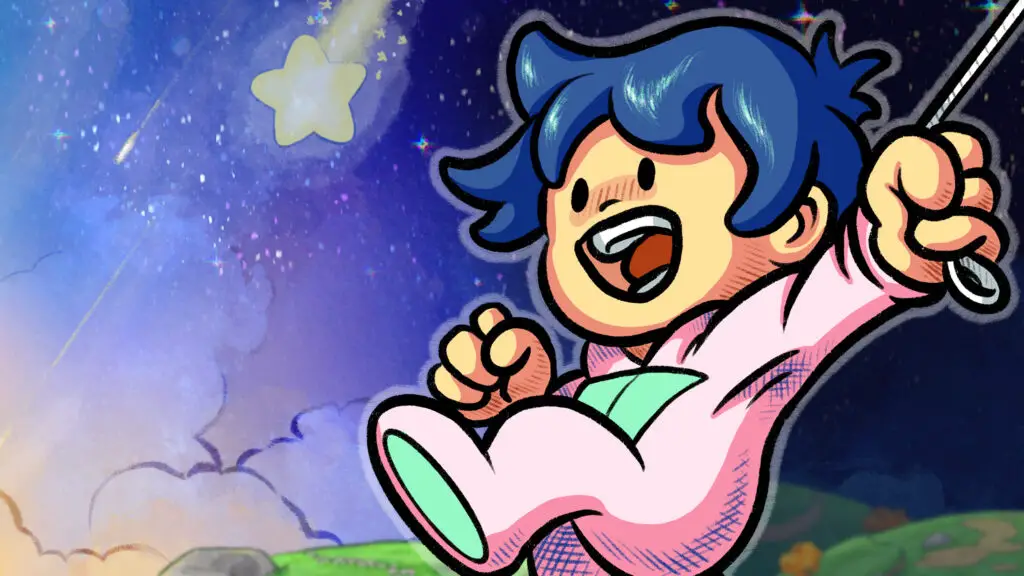
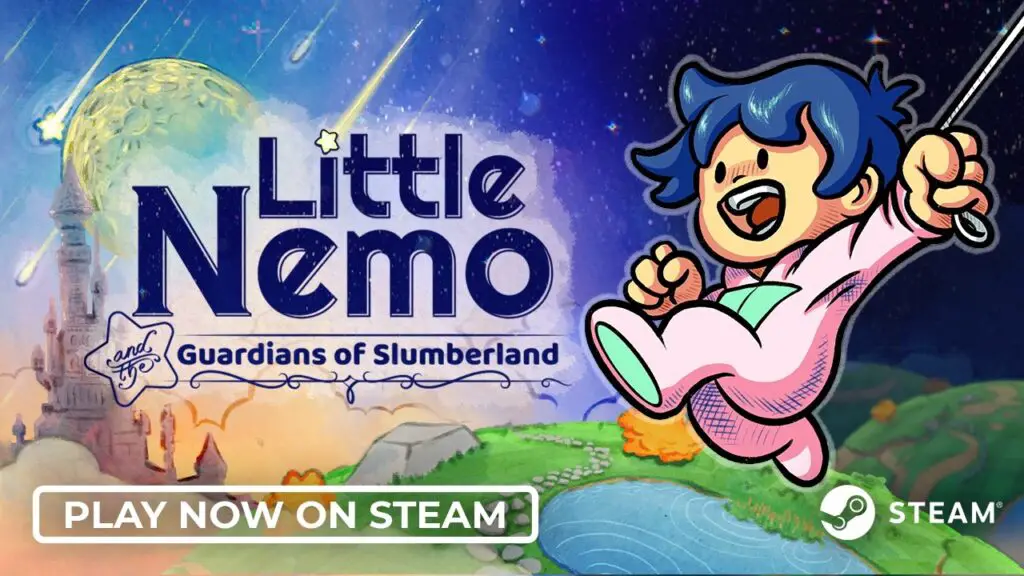
Based on my initial hours of real-world testing, Little Nemo and the Guardians of Slumberland is a masterclass in whimsical PC games design. Much like the original narrative, Nemo is a young boy who enters a dreamworld upon falling asleep. While Slumberland is facing a crisis—parts of the world are disintegrating into black-hole-style voids—the atmosphere remains uplifting. Nemo’s character model is a triumph of hand-drawn animation, bobbing with a sense of wonder. In this digital landscape, every bed serves as a welcoming checkpoint rather than a gateway to a nightmare.
Little Nemo’s expressive, hand-drawn animations bring a sense of joy to the platforming experience.
Artistic Excellence and Fluid Mechanics
The visual fidelity of this title is exceptional, utilizing an art style that reimagines the classic pixel art of the Super Nintendo era as high-definition, living illustrations. It draws comparisons to titles like Wario Land: Shake It! and Cuphead. While some might argue this aesthetic has lost its novelty in the 2024 releases cycle, Guardians of Slumberland proves that execution is everything. For a project that raised a modest $80,000 on Kickstarter, the production value is punching far above its weight class.
Feature
Details
Developer
DieSoft
Genre
Metroidvania / Platformer
Art Style
Hand-drawn 2D Illustration
Platform
PC, Console
In many ways, Nemo reminds me of the early days of Hollow Knight—another modest Kickstarter success. However, where Hollow Knight opted for a sharp, “Helvetica” style of precision, Nemo is softer and more “bubble letter” in its approach. The gameplay is unhurried and accessible. While you lose your collected candy upon being “woken up” (the game’s version of a death mechanic), a friendly character is available to help recover your lost riches, eliminating the punishing “runbacks” common in the Souls-like genre.
The “Juice” of Modern Game Design
In the world of software development and game design, “juice” refers to the small flourishes that make an interface feel responsive and alive. It’s the satisfying click of a menu or the bounce of a sprite. From the moment you land on the title screen, it is clear that the indie team at DieSoft prioritized this sensory feedback. Every interaction feels deliberate and polished, bridging the gap between complex mechanics and pure usability.
A Refreshing Metroidvania Narrative
The gameplay draws inspiration from classic titles like Duck Tales and Mega Man.
Tonally, Guardians of Slumberland aligns more closely with Winsor McCay’s original 1905 comic strips than the traumatizing 1989 film. It is light, whimsical, and deeply rooted in the DNA of platforming legends like Duck Tales and Mega Man. While the boss encounters, such as the giant octopus, suggest the difficulty will scale as you progress, the game remains generous with its accessibility options and quick restarts.
Last year, I struggled to find the motivation to finish Hollow Knight: Silksong due to its punishing difficulty curve. In contrast, Nemo invites exploration without the stress. It is a delightful change of pace for a genre that is increasingly defined by high-stakes combat and pixel-perfect precision. In an era where our real-world tech and daily lives can be stressful enough, Slumberland provides the perfect digital escape.
Affiliate Disclaimer: Some of the links on Digital Tech Explorer are affiliate links. This means we may earn a commission if you click through and make a purchase, at no additional cost to you. Our recommendations are based on thorough research and personal experience.