
At Digital Tech Explorer, we love diving deep into the intricate layers of software development and digital storytelling. Recently, Larian Studios—the visionary team that has redefined the modern RPG landscape—hosted a stream for Divinity: Original Sin 2 (D:OS2). During the session, the developers peeled back the curtain on the subtle “bread crumbs” left in Rivellon that paved the way for their latest masterpiece, Baldur’s Gate 3 (BG3). As a team of tech enthusiasts and developers, we find these “hidden-in-plain-sight” details a testament to the complex software planning required for such massive titles.
The Evolution of Baldur’s Gate 3 References
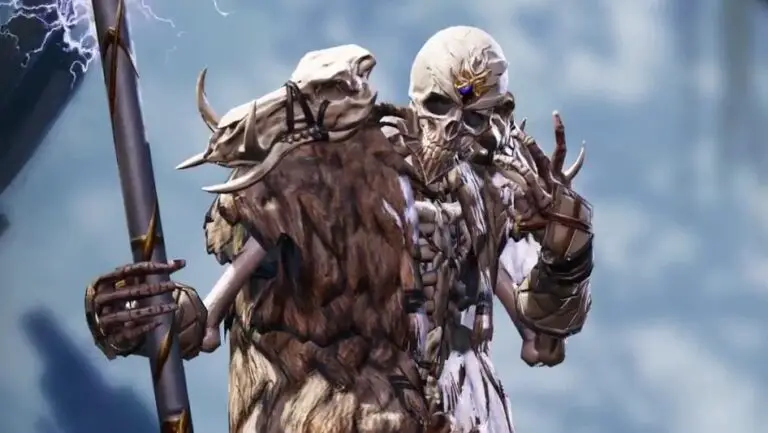
According to Larian CEO Swen Vincke, the early references to BG3 within D:OS2 were initially much more explicit. Vincke shared that the first draft for Baldur’s Gate 3 was penned during the summer Divinity: Original Sin 2 shipped, following a contract with Wizards of the Coast. However, that early narrative iteration was deemed “very bad” by the internal team. Consequently, the decision was made to rewrite the script and pivot the overt hints into the cryptic easter eggs that fans eventually discovered.
Deciphering the D:OS2 Easter Eggs
For the dedicated player, D:OS2 serves as a prologue to the themes explored in the Forgotten Realms. From enigmatic dialogues to curious inventory items, the clues were there all along. Below is a summary of the most significant connections found within the PC gaming classic:
| D:OS2 Element | Connection to Baldur’s Gate 3 | Context |
|---|---|---|
| Fane’s Epilogue | Mind Flayer foreshadowing | Fane mentions octopuses “secretly plotting” against the world. |
| Tarquin’s Dialogue | Illithid lore | References “beings from another world” that “feed on minds.” |
| Mind Maggots | Illithid Tadpoles | The parasitic jars found in D:OS2 mirror the infection mechanic in BG3. |
| Gustavchen Language | Project Gustav | A reference to the internal codename for BG3, named after Swen Vincke’s dog. |
The Origin of Project Gustav and “Tav”
One of the most charming details involves the character “Tav.” In BG3, “Tav” is the default name for the custom protagonist. This wasn’t a random choice; it is a playful homage to the project’s internal codename, Project Gustav. During the development of the D:OS2 Definitive Edition, the necromancer Tarquin references a language called “Gustavchen,” effectively bridging the gap between the internal software development nomenclature and the in-game lore.
Baldur’s Gate 3’s Reciprocal Nods to Divinity
The connection isn’t just a one-way street. Baldur’s Gate 3 contains several nods to the Divinity universe, particularly concerning the dimension-hopping Tarquin. Players can find a letter from Lenore De Hurst to the wizard Lorroakan mentioning a man named “Tuqueen” who possesses “strange magic.” Later, in the House of Grief, a note mentions “Marco Creenn”—a clever anagram for “Necromancer.” These breadcrumbs suggest Tarquin’s adventures may eventually lead him back to Rivellon, leaving the door open for future Divinity installments.
A Legacy of Interconnected Innovation
Larian Studios’ approach to building these interconnected worlds is a masterclass in narrative design and technical foresight. By weaving these threads across different IPs, they’ve created a shared history that rewards the curiosity of their community. Here at Digital Tech Explorer, we believe this type of attention to detail is what separates great software from legendary experiences. Whether you are a veteran of Rivellon or a newcomer to the Forgotten Realms, these easter eggs highlight a studio at the peak of its creative powers.
Disclaimer: All content on Digital Tech Explorer is for informational and entertainment purposes only. Some links may be affiliate links, meaning we earn a commission at no additional cost to you.