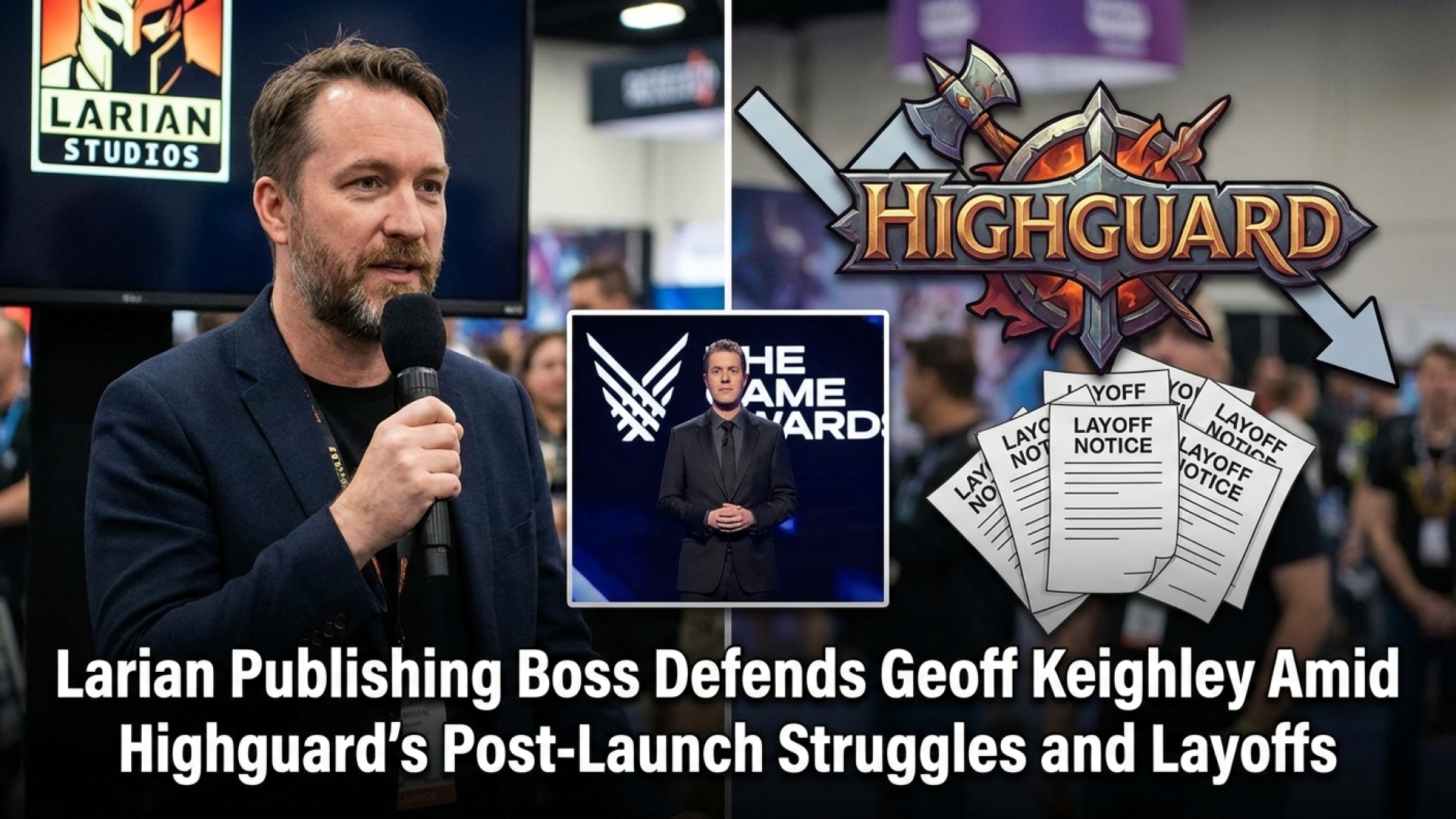
The journey of Highguard has been nothing short of a cautionary tale in the modern gaming industry. In a move that shocked the community, developer Wildlight Entertainment laid off most of its staff a mere 16 days after the game’s official release. While critical reception pinned the game as “simply fine,” a vocal segment of social media has turned its sights on Game Awards host Geoff Keighley, sparking a debate on the role of hype versus product quality in digital innovation.
Highguard’s gameplay promised high-octane action, but faced significant hurdles at launch.
The Game Awards Reveal and Public Backlash
The controversy began at the 2025 Game Awards, where Geoff Keighley showcased Highguard as the coveted “just one more thing” reveal. Despite the prime placement, the trailer failed to ignite the expected enthusiasm, leading many tech enthusiasts to question why a mid-tier title was given such a prestigious closing spot. Critics now suggest that Keighley’s high-profile backing created an artificial hype bubble, setting the stage for unrealistic expectations that the game simply couldn’t meet.
Industry Insight: Larian’s Michael Douse Responds
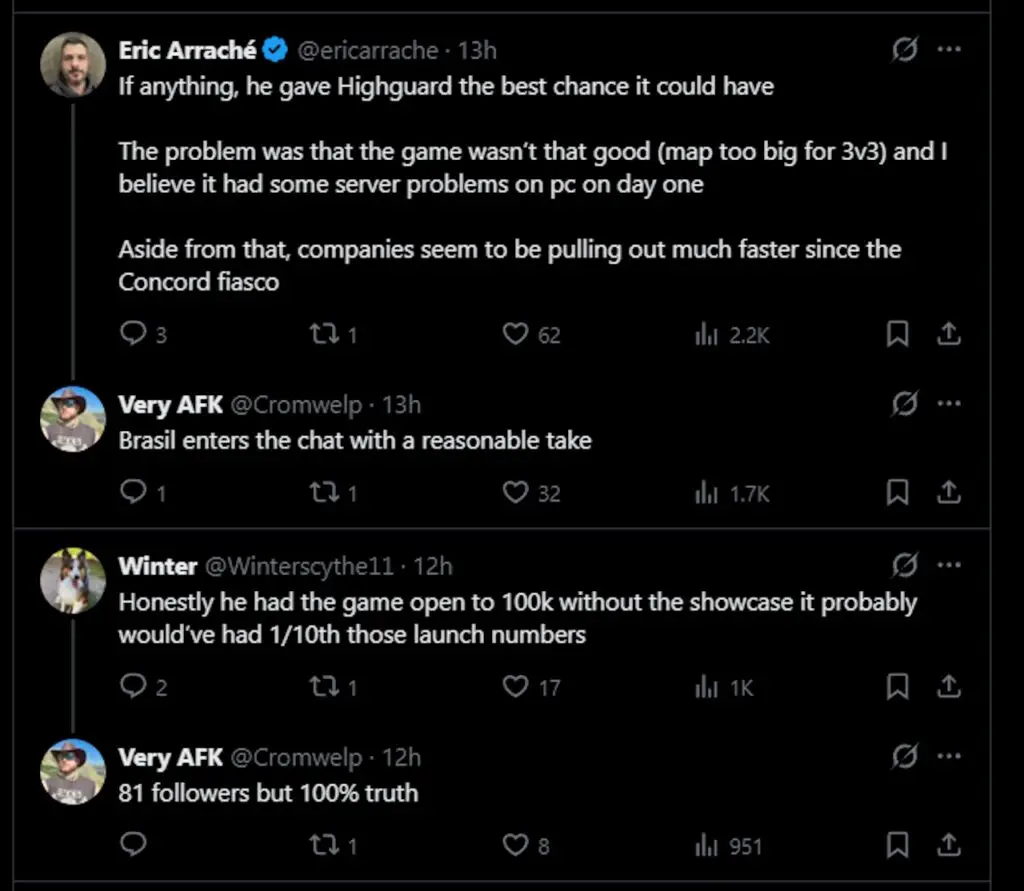
As the “blame game” intensified, Michael Douse, the publishing director at Larian, stepped in to offer a reality check on industry dynamics. In a candid post on X, Douse dismissed the idea that a trailer alone could sink a studio. He characterized the layoffs as a symptom of the broader economic instability within the gaming sector rather than the fault of a single presenter. “Blaming one man for showing a trailer on his telly show is a sophomoric take that shows little understanding of industry!” Douse stated.
Digital communities analyzing the technical shortcomings that plagued Highguard’s debut.
Visibility Versus Inherent Quality
At Digital Tech Explorer, we often highlight that visibility is only half the battle in software success. Douse echoed this sentiment, noting that while Keighley’s platform successfully drove 100,000 concurrent players to the game at launch, the product’s internal mechanics failed to retain them. “Ultimately they didn’t like it because of what it was,” Douse explained, emphasizing that no amount of marketing can fix a core user experience that misses the mark.
Highguard at a Glance: Launch Performance
Metric
Observation
Launch Peak Players
Approximately 100,000
Critical Reception
“Fine” / Average
Major Complaints
Map size (too large for 3v3), Server instability
Staff Layoffs
16 days post-release
The Brutal Reality of the Modern Market
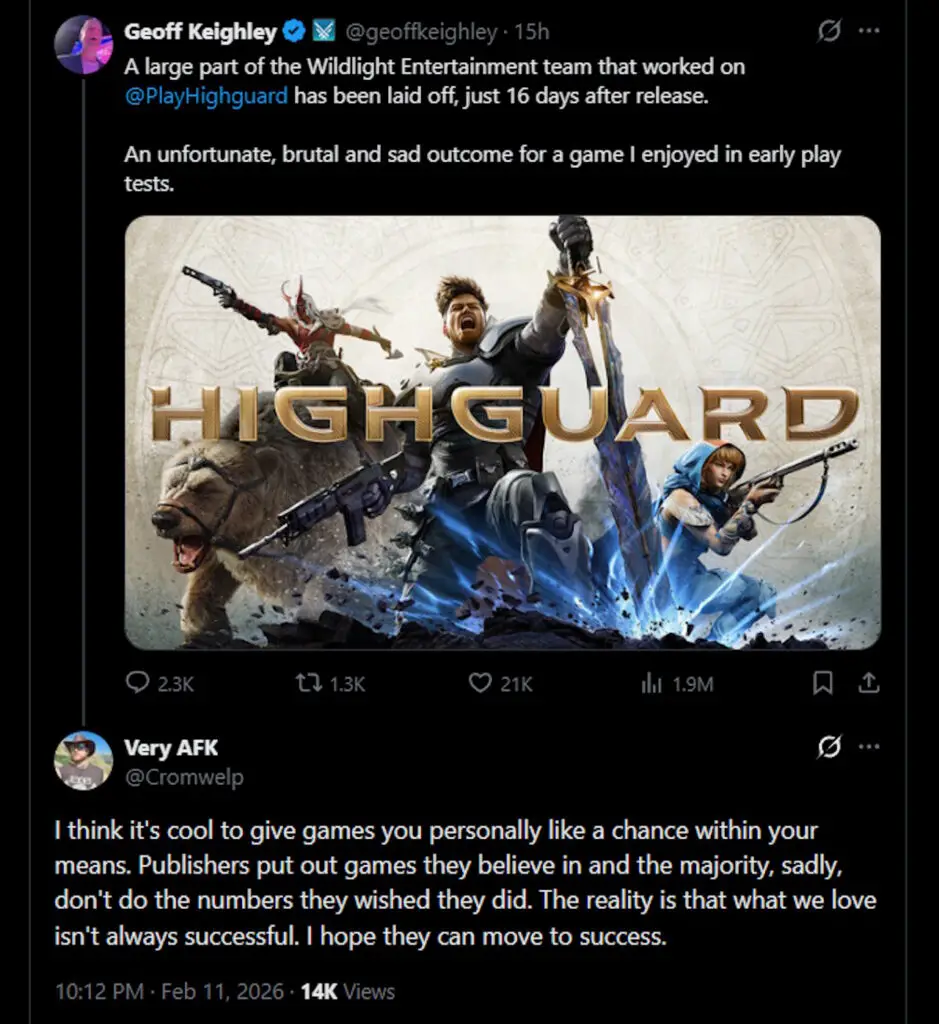
Douse highlighted the inherent unpredictability of today’s tech landscape, suggesting that launching a new IP without a built-in audience is increasingly risky. He noted that in the current climate, companies are “pulling out much faster,” likely a reaction to recent high-profile failures in the live-service space. While Keighley himself later described the outcome as “unfortunate, brutal, and sad,” the situation serves as a stark reminder for developers: visibility is a double-edged sword that amplifies both triumphs and flaws.
Geoff Keighley expressing his regret over the studio’s sudden downsizing.
For those of us following the evolution of gaming and hardware, the Highguard story is a pivot point. It challenges us to look deeper than the trailer hype and focus on the technical stability and creative depth that truly define a game’s longevity in a crowded digital marketplace.