
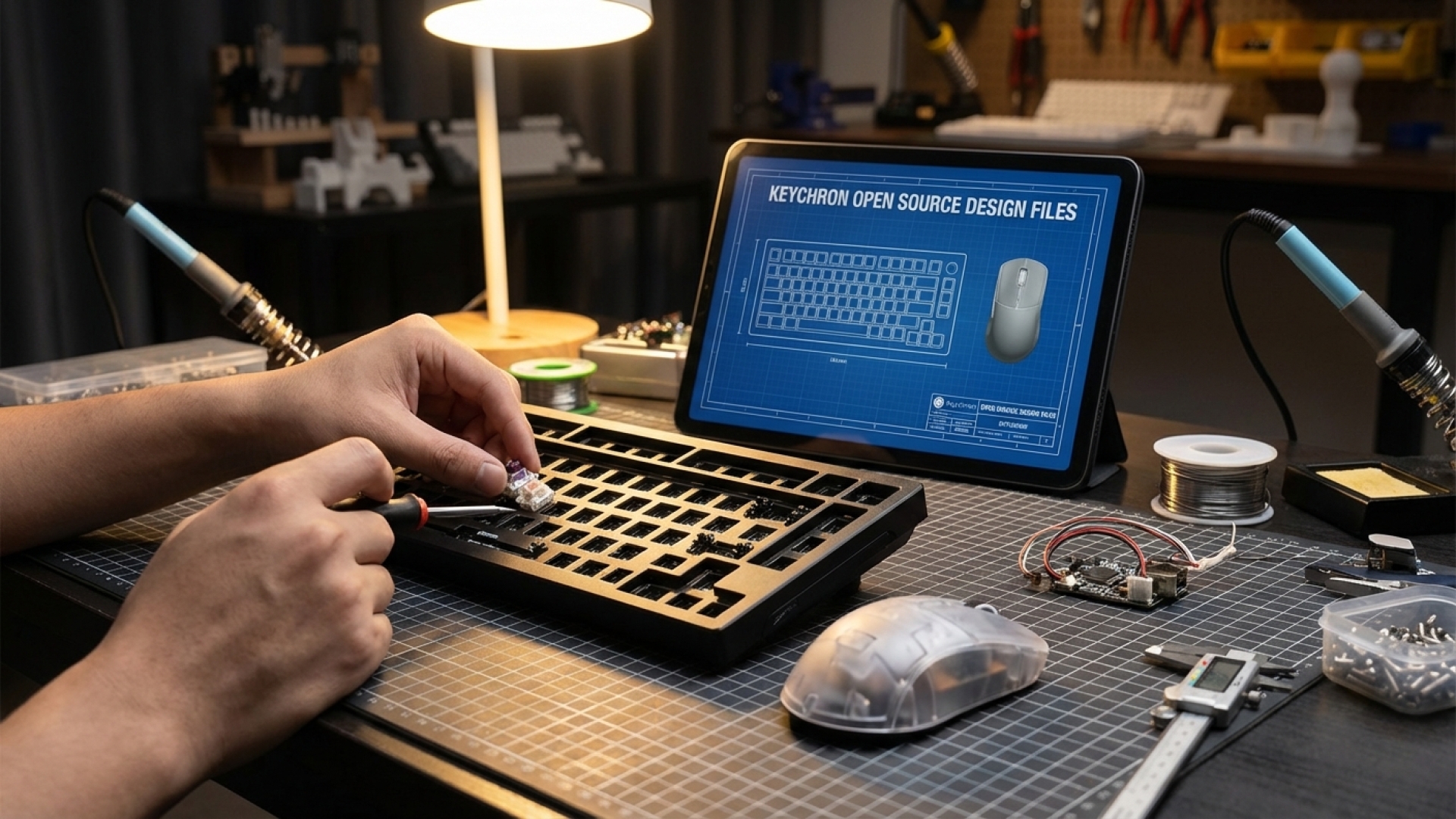
At Digital Tech Explorer, we are always on the lookout for innovations that bridge the gap between complex hardware and user empowerment. In a landmark move for the mechanical keyboard community, industry leader Keychron has officially released the hardware source files for many of its most popular product lines. This initiative isn’t just about sharing data; it’s a narrative shift toward transparency, allowing users to explore the hardware design of their favorite peripherals for deep customisation and long-term repairability.
Unlocking Customisation: Keychron’s Open-Source Initiative
As TechTalesLeo, I’ve tracked the evolution of digital innovation for years, and seeing a major manufacturer open its doors like this is truly refreshing. Keychron recently updated its public GitHub repository to include design assets for the K, L, P, Q, and V series keyboards, as well as their gaming mice. This move invites enthusiasts and developers to step inside the design process, offering the blueprints necessary to create bespoke modifications.
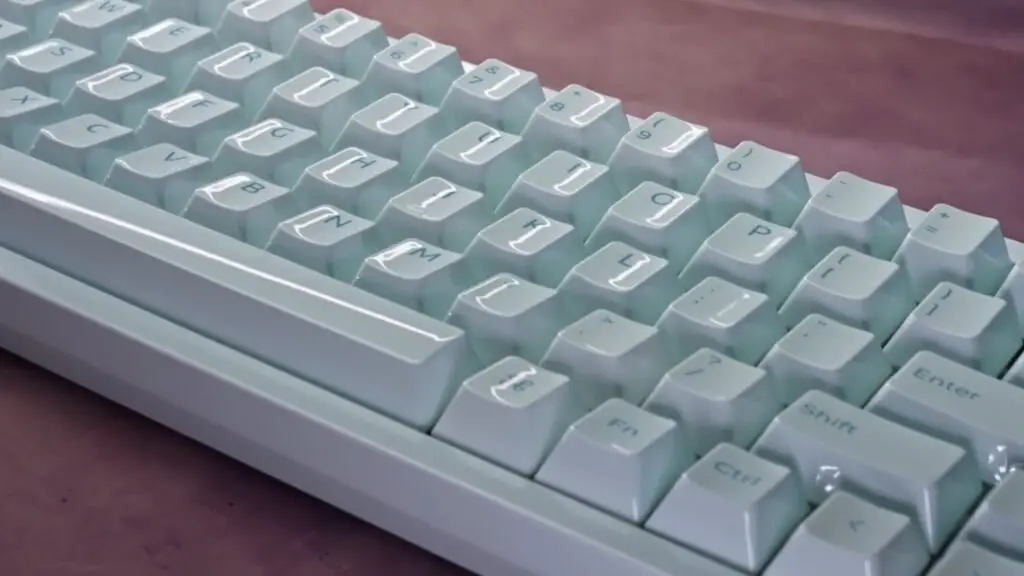
This is far from a mere file dump. The repository is organized and functional, featuring a step-by-step guide on accessing these files via CAD software. By fostering this ecosystem on GitHub and directing users toward their community Discord, the company is building a collaborative environment where hardware and software expertise collide.
| Series Category | Included Files | User Potential |
|---|---|---|
| K, L, P, Q, V Series | 3D Schematics, Case Designs | Custom Cases & Plates |
| Gaming Mice | Shell & Ergonomic Designs | Weight Reduction & Modding |
| Accessories | Stabilizer & Plate Designs | 3D Printing Replacements |
Empowering Users: Build, Modify, and Repair
For those of us who view mechanical keyboards as more than just tools, this release is a game-changer. Owners of a Keychron Q series or other supported models can now use these source files to fabricate unique components. Whether you are interested in 3D gaming accessories or ergonomic enhancements, the ability to design custom plates, bespoke keycaps, or replacement stabilizers puts the power back into the hands of the consumer.
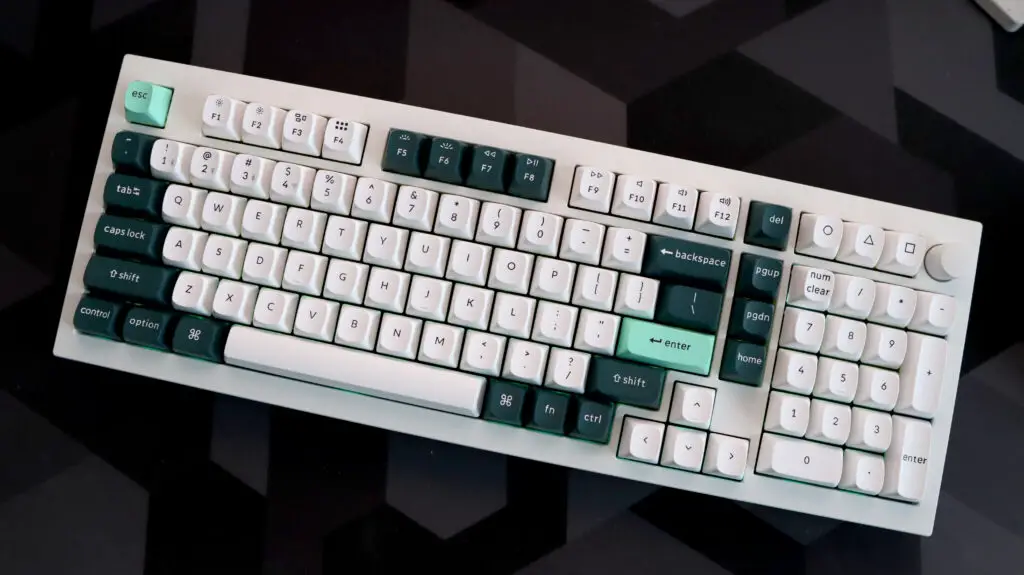
Sustainability is another core chapter in this story. By providing these blueprints, Keychron significantly enhances the repairability of its hardware. Instead of discarding a device due to a broken part, users with access to 3D printers or CNC machines can produce their own replacements. This aligns with the mission here at Digital Tech Explorer to promote longevity and informed decision-making in the tech space.
Commercial Boundaries and Technical Limitations
While the initiative is expansive, it does come with specific guidelines. Keychron allows individuals to sell accessories—such as custom cases or knobs—derived from these designs. However, the commercial sale of entire keyboards or gaming mice based on these files is prohibited. This ensures the community can thrive while protecting the brand’s core hardware innovations.
It is also worth noting that the PCBs (Printed Circuit Boards) are currently excluded from the open-source release. While you can modify the shell and tactile elements, the “brain” of the device remains proprietary. Users will still need to rely on official channels for PCB replacements, though the availability of the housing and plate designs is a massive leap forward for the AI-acceleration and gaming hardware community.
A New Standard for the Tech Industry
The decision to open-source hardware design is a bold step that sets a new industry standard. Much like the collaborations seen between Logitech and iFixit, Keychron is proving that transparency builds brand loyalty. For the developers and tech enthusiasts who follow Digital Tech Explorer, this represents an opportunity to master their tools and contribute to a more sustainable, creative digital future. We hope to see more manufacturers follow this path, turning “black box” hardware into an open book for everyone.
All content on Digital Tech Explorer is for informational and entertainment purposes only. We do not provide financial or legal advice. Some of the links on Digital Tech Explorer are affiliate links. This means we may earn a commission if you click through and make a purchase, at no additional cost to you. Our recommendations are based on thorough research and personal experience.