
In the world of digital innovation, some technologies and games require time to age before their true value is realized. This is precisely the narrative surrounding Fallout: New Vegas. Josh Sawyer, the studio design director at Obsidian, recently shared insights into the game’s journey from a misunderstood launch to its current status as a cult classic. Often cited by the gaming community as the pinnacle of the “modern” Fallout era, New Vegas captured a specific brand of RPG magic that many feel has become a rarity in today’s landscape.
The Initial Reception: A Rocky Start for New Vegas
During a comprehensive retrospective, Josh Sawyer noted that New Vegas was far from a beloved masterpiece when it first hit shelves 14 years ago. “New Vegas was not particularly well-received when it launched,” Sawyer admitted. “It was quite buggy, and both players and critics commented on how much we had reused from Fallout 3.”
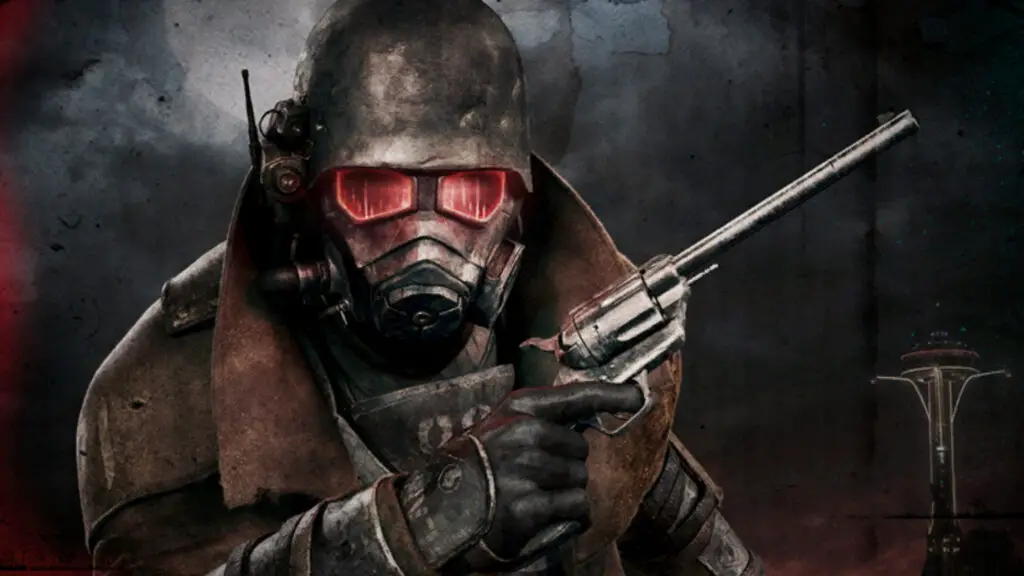
At the time, the industry was divided. While the game earned high marks for its depth—often scoring in the mid-80s—the technical flaws were impossible to ignore. Critics pointed out that while the narrative was fresh, the inventory systems and character models felt like relics of the past. At Digital Tech Explorer, we often see this trend in software development: a brilliant core architecture buried under a layer of unpolished execution.
Evolution of Fallout: New Vegas Reception
To better understand how the perception of this title shifted over time, we have summarized the key stages of its legacy below:
| Period | Primary Community Sentiment | Key Focus |
|---|---|---|
| 2010 (Launch) | Frustrated but Intrigued | Technical bugs and reused assets. |
| 2015 (The Turning Point) | Highly Appreciative | Modding community fixed bugs; story depth recognized. |
| 2024 (Present) | Legendary Classic | Gold standard for player agency and narrative choice. |
The Slow Burn to Narrative Excellence
Sawyer elaborated on the game’s delayed appreciation, explaining that it took roughly five years for the community to fully rally behind the title. It was only then that the design choices—once seen as controversial or “clunky”—began to be viewed as intentional tools for storytelling. Players eventually fell in love with the ability to navigate the wasteland with total agency, even using logic and dialogue to dismantle the philosophy of primary antagonists like Caesar within his own camp.

Obsidian’s Narrative Philosophy vs. Bethesda’s Foundation
John Gonzalez, the lead creative designer for the project, acknowledges the vital foundation laid by Bethesda. He noted that translating the original isometric RPGs into an immersive, first-person open-world experience was a massive feat of engineering and design. However, Obsidian’s contribution was the “soul” injected into that framework.
Gonzalez emphasizes that New Vegas is a “very Obsidian-focused experience.” It prioritizes narrative impact and player control above all else. For those who value storytelling over technical sheen, New Vegas remains the best of the bunch. This focus on digital storytelling is a cornerstone of what we analyze here at Digital Tech Explorer, as we bridge the gap between complex software and user experience.
The Enduring Legacy in the Modern Era
Despite its turbulent beginnings, New Vegas has become an essential chapter in the history of hardware-driven storytelling. It serves as a reminder that a game’s launch state does not define its ultimate legacy. Today, it is celebrated for its intricate factions, meaningful consequences, and a world that feels truly reactive to the player’s presence.
As TechTalesLeo, I see this journey as a perfect example of how digital innovation is often a “slow burn.” Some of the best tech and software solutions are those that dare to be different, even if the world isn’t quite ready for them on Day One. Fallout: New Vegas isn’t just a game; it’s a testament to the power of narrative-driven design that continues to inspire developers and tech enthusiasts alike.