

Proprietary vs. Open: Why the Future of AI is a Collaborative Symphony
By TechTalesLeo In the rapidly shifting landscape of artificial intelligence, a fascinating paradox has emerged. During a recent GTC panel discussion, Nvidia CEO Jensen Huang challenged the industry’s binary thinking with a single, provocative statement: “Proprietary versus open is not a thing. It’s proprietary and open.” This assertion signals a new era for Digital Tech Explorer readers—a future where the most powerful AI systems aren’t siloed, but are instead a synergistic blend of diverse model types.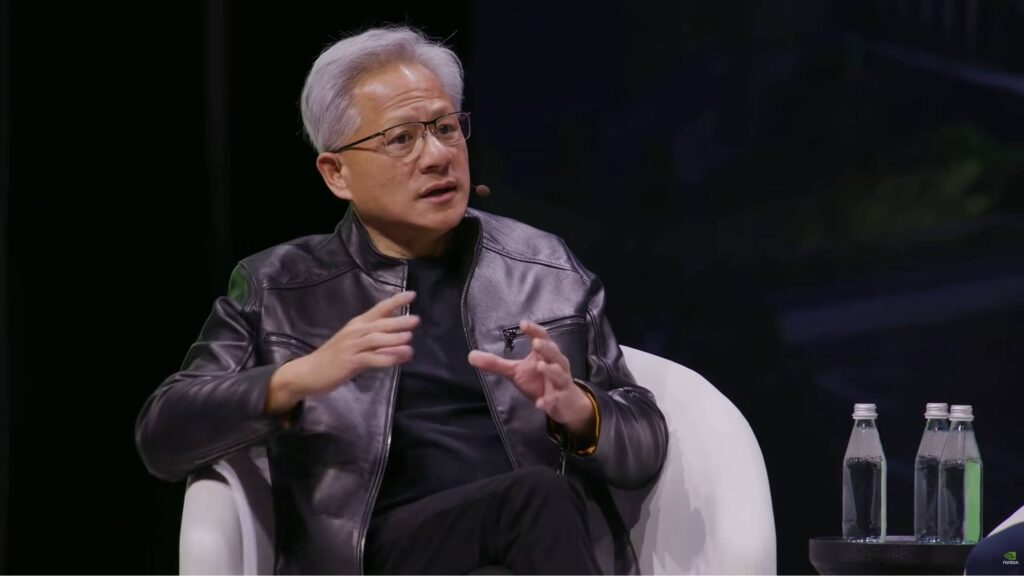
Defining the Landscape: Open-Source vs. Proprietary
To navigate this new world, we must first clarify the terminology. In strict software engineering terms, true open-source code adheres to the Open Source Initiative (OSI) standards, meaning it can be freely used, modified, and redistributed. However, the AI industry often uses “open” more loosely to describe foundation models that are publicly accessible, even if their underlying weights or training data remain under certain restrictions. The real shift discussed at GTC isn’t about licensing legalities; it’s about the coexistence of specialized proprietary models and open foundation models. As AI orchestration systems become more sophisticated, they are beginning to bridge the gap between these two worlds, allowing developers to leverage the best of both.The Rise of the AI Orchestra
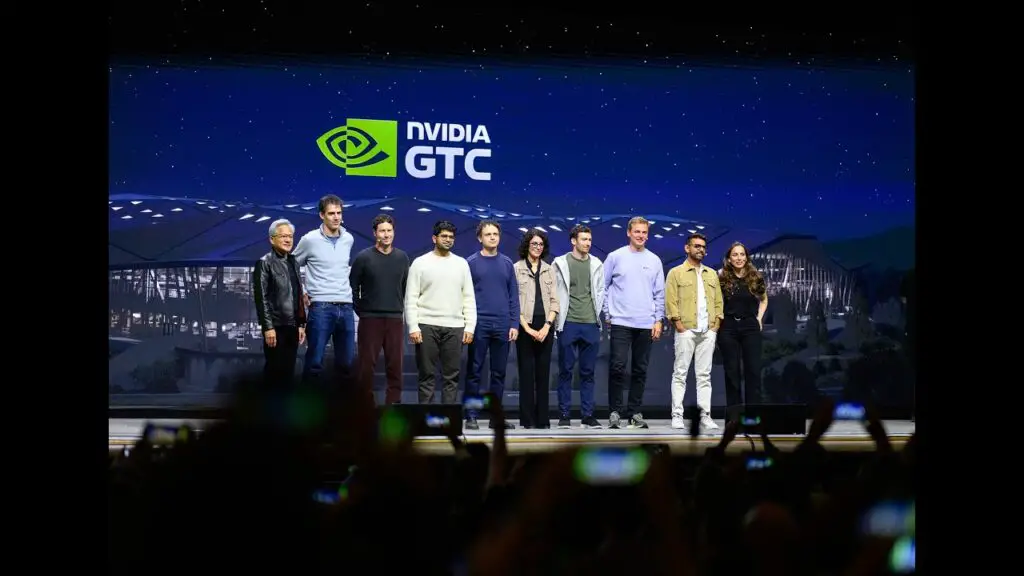
Cursor CEO Michael Truell introduced a compelling narrative for this evolution: the concept of “AI orchestras.” He envisions the rise of compound agents—orchestration layers that manage multiple sub-models to solve complex problems. In this setup, the user doesn’t need to know which model is best for a specific coding task or data analysis; the system acts as a conductor. Truell’s metaphor is striking: sub-agents are the musicians and AI models are the instruments. The result is a “symphony” of AI-driven work. Even Jensen Huang noted that for companies protecting their “crown jewel” proprietary tech, open models remain vital components within these larger agentic systems.| Feature | Proprietary Models | Open Models |
|---|---|---|
| Primary Strength | Specialized data & high security | Transparency & community innovation |
| Use Case | Enterprise-specific tasks | General foundation & research |
| Accessibility | Subscription/API locked | Publicly downloadable/viewable |
| Role in Orchestration | The “Lead Soloist” | The “Section Players” |
Practical Applications: From Code to Consumer Tools
This trend is already manifesting in AI software like OpenClaw. As an open-source intermediary, OpenClaw connects various applications and AI subscriptions, acting as a functional middleman. It demonstrates how a central system can coordinate a multitude of specialized services, turning fragmented tools into a cohesive digital assistant.Closing the Performance Gap
There is a lingering misconception that open models are perpetually second-tier. Reflection AI CEO Misha Laskin argues that any perceived performance gap is merely “an artifact of the time.” He asserts that there is no fundamental technical barrier preventing open models from reaching the “frontier” of AI development. As hardware like Nvidia’s GPU clusters becomes more accessible and machine learning techniques evolve, we may see open-source initiatives leading the charge in AI acceleration.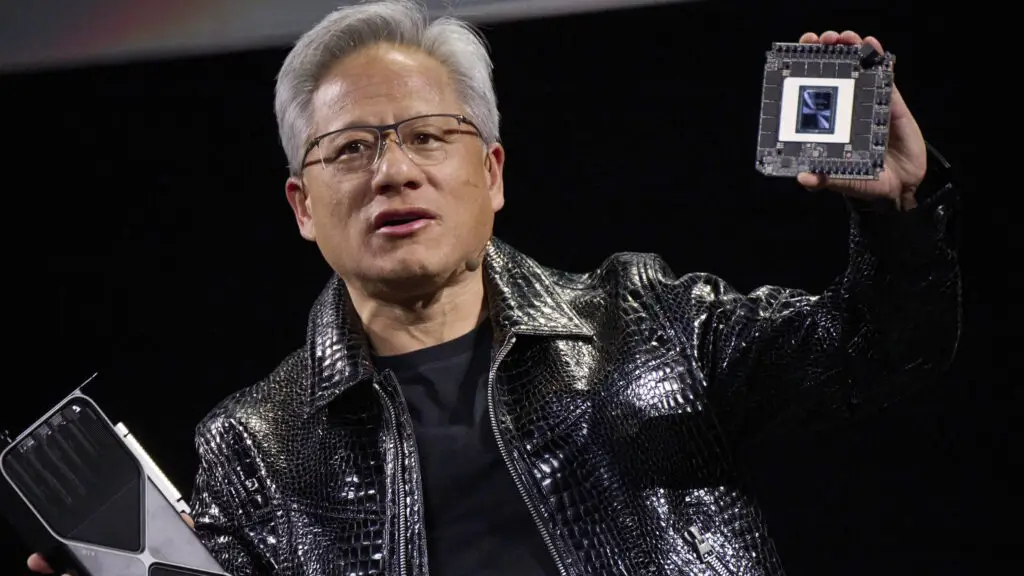
The Multi-Model World
The conclusion from the GTC panel is clear: we are moving toward a multi-model world. While there will always be a place for specialized proprietary products with unique training methodologies, they will increasingly live alongside open-domain technologies. For the developers and tech enthusiasts at Digital Tech Explorer, this means the future isn’t about choosing a side. It’s about mastering the orchestration of both to transform generic AI capabilities into high-value, real-world solutions.Disclaimer: All content on Digital Tech Explorer is for informational and entertainment purposes only. We do not provide financial or legal advice.
Affiliate Disclaimer: Some of the links on Digital Tech Explorer are affiliate links. This means we may earn a commission if you click through and make a purchase, at no additional cost to you. Our recommendations are based on thorough research and personal experience.