
With the Core Ultra 300-series processors (Panther Lake) showcasing Intel’s latest engineering milestones, the tech community is buzzing with questions about the future of Team Blue’s graphics division. Here at Digital Tech Explorer, we’ve been tracking Intel’s shift in strategy closely. While there are plenty of hints regarding the evolution of their graphics silicon, the narrative is shifting heavily toward AI and data centers—a move that might leave the gaming community feeling like a secondary priority.
Deciphering the Xe GPU Roadmap
Anil Nanduri, Intel’s VP of the Data Center AI Accelerators division, recently shed light on the Xe GPU trajectory. A key milestone in this journey is the X3P-powered Crescent Island GPU. Originally teased last October, this architecture is slated to appear within the desktop Nova Lake processors expected later in 2024.
Looking further ahead, Intel is moving toward “Xe Next” as part of its inference-optimized GPU and Shores product line. While this signals a robust future for Intel’s architecture, the focus is unmistakably optimized for machine learning and enterprise workloads rather than pure frame rates in the latest AAA titles.
What This AI Pivot Means for Gamers
The massive influx of capital into AI acceleration ensures that Intel’s underlying hardware continues to evolve at a breakneck pace. However, as TechTalesLeo, I’ve observed that architectural progress doesn’t always guarantee a seat at the table for consumer-grade Arc graphics cards. While a version of Xe Next will almost certainly power future iGPUs in mobile and desktop chips, the fate of the discrete Celestial series remains a topic of intense speculation.
Intel Arc B580 vs. The Competition
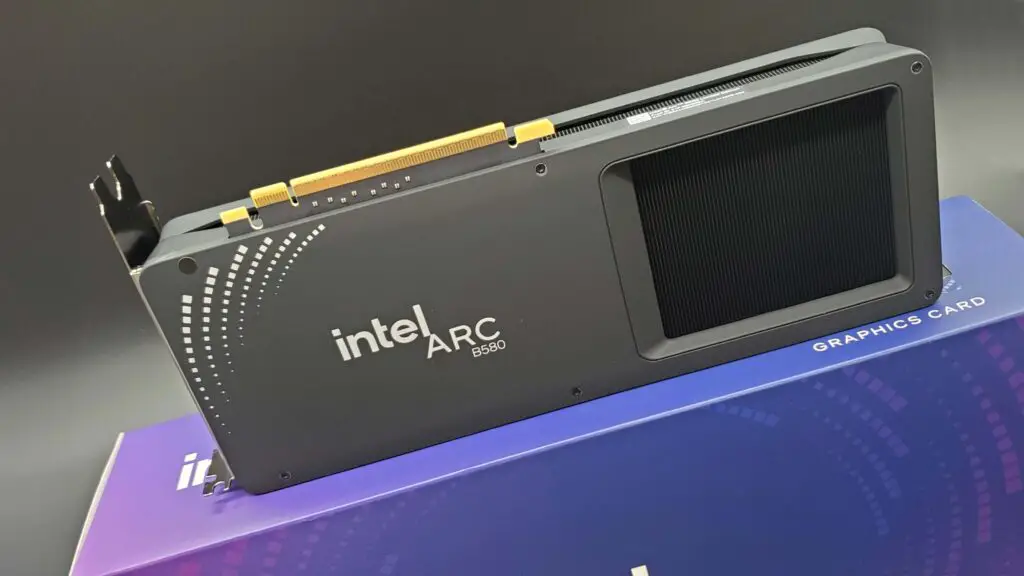
The current market landscape is tough. The Arc B580 and B570 are competent performers, but they are losing their pricing advantage. When we look at the mid-range segment, the competition is fierce. Below is a snapshot of how the current Intel offerings stack up against the dominant players in the PC gaming space:
| GPU Model | Approx. Price | VRAM Capacity | Primary Competition |
|---|---|---|---|
| Intel Arc B570 | $300 | 10GB / 12GB | Nvidia RTX 5060 |
| Intel Arc B580 | $330 | 12GB | Nvidia RTX 5060 Ti |
| Nvidia RTX 5060 | $299 | 8GB | Intel Arc B570 |
While the Arc B580 offers significantly more VRAM than Nvidia’s entry-level Blackwell cards, it often struggles to match the raw performance and efficiency of the RTX 50-series. With AI sectors offering much higher profit margins, Intel has less incentive to subsidize high-end gaming hardware to gain market share.
Software Gains and the Driver Evolution
One area where Intel deserves immense credit is software development. At Digital Tech Explorer, we’ve tracked their driver updates, which have transformed the Arc experience from “unstable” to “genuine contender.” Their XeSS upscaling technology is now a formidable rival to Nvidia’s DLSS and is widely considered superior to AMD’s FSR 3 in terms of image stability. Furthermore, the introduction of multi-frame generation support across the Arc lineup shows that Intel is committed to maximizing the potential of existing silicon.
The Memory Crisis and Discrete GPU Delays
External economic factors are also playing a role in Intel’s roadmap. The global memory crisis has made high-capacity VRAM more expensive to source. Historically, Arc GPUs have utilized large die sizes due to their robust AI-crunching matrix units. While these units are great for productivity, they make the chips more expensive to manufacture.
Until the cost of GDDR6 and future video DRAM stabilizes, Intel may hesitate to launch a massive Xe3P or Xe Next flagship for gamers. In the professional segment, rumored cards like the ‘Big Battlemage’ (boasting 32GB of VRAM) can command the “mega-bucks” prices required to offset production costs, leaving the everyday gamer waiting for a more affordable breakthrough.
For now, the story of Intel’s graphics division is one of dual identities. It is a powerhouse in the making for AI innovation, while its identity in the gaming GPU market remains in a state of flux. As always, we will keep you updated on whether Intel’s “Xe Next” will finally deliver the high-end competition the desktop market desperately needs.