

The rumor mill surrounding Intel’s next-generation Nova Lake processors has reached a fever pitch, and here at Digital Tech Explorer, we are closely monitoring what could be the most significant architectural leap for “Team Blue” in a decade. Recent reports indicate that Intel may finally reclaim the performance crown with superior IPC (instructions per clock) over AMD’s upcoming Zen 6 architecture. This shift, combined with massive core count increases and the development of a “monster” APU, suggests Intel is ready to challenge the status quo of high-end integrated graphics.
IPC vs. Clock Speed: The Battle for Efficiency
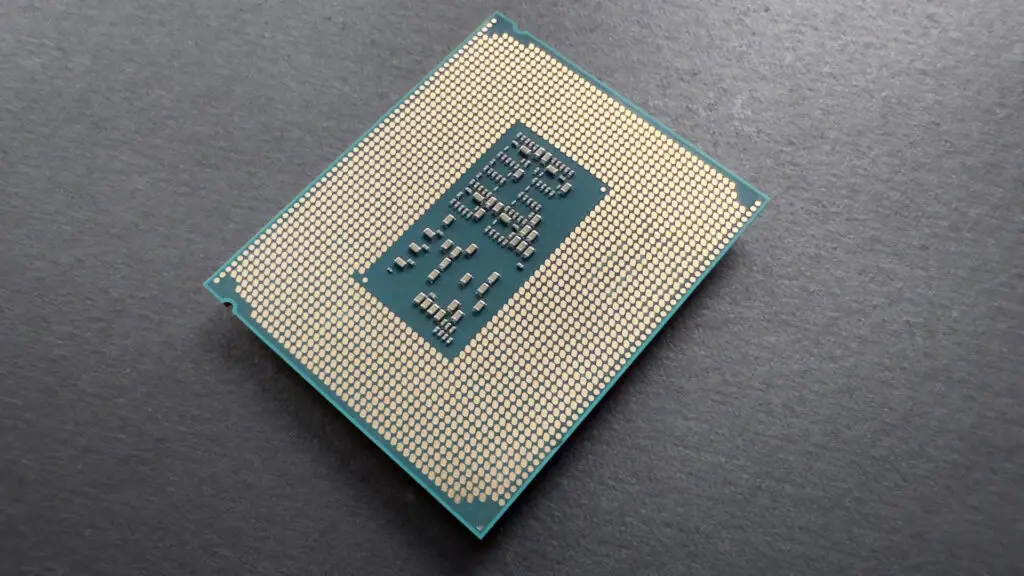
According to established tech leaker HXL, Intel’s “Coyote Cove” Performance cores (P-cores)—slated to power Nova Lake—are expected to deliver higher IPC than AMD’s Zen 6. However, as TechTalesLeo often notes when analyzing silicon narratives, raw speed isn’t everything. The leak suggests a fascinating trade-off: while Intel may lead in efficiency per cycle, AMD is rumored to hold the advantage in raw clock speed.
For gamers and power users, this creates a compelling dynamic. IPC measures how much work a CPU core performs in a single cycle, but total performance is a product of IPC multiplied by clock speed. Rumors suggest AMD might push its Zen 6 cores beyond the 6 GHz barrier using TSMC’s advanced N2P process node. If AMD’s frequency lead is substantial enough, it could potentially offset Intel’s IPC advantage in single-threaded tasks, keeping the gaming landscape highly competitive.
Core Count Upgrades and Improved Yields
Nova Lake isn’t just about IPC efficiency; it’s about massive scale. New leaks from tipster @jaykihn0 suggest that Intel has upgraded its mid-range Nova Lake SKU from 42 cores to 44 cores. This change reportedly comes from enabling all eight P-cores on the compute tiles, rather than disabling one for binning purposes—a sign that Intel’s hardware manufacturing yields are stabilizing.
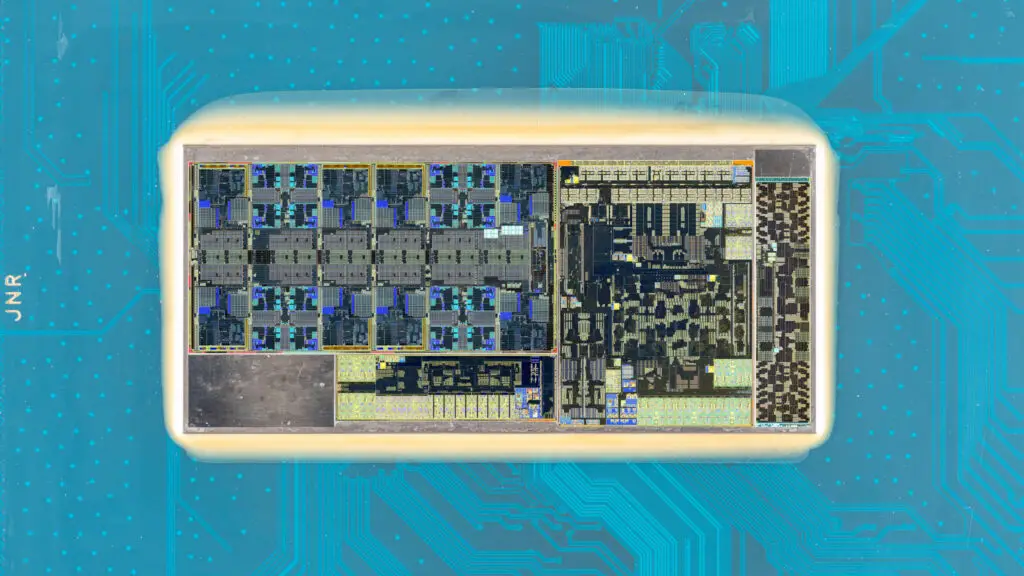
The flagship Nova Lake models are expected to be true “monsters” in the workstation and enthusiast space. Below is a summary of the rumored specifications for the top-tier consumer variants:
| Feature | Rumored Nova Lake Flagship Specs |
|---|---|
| Performance Cores (P-Cores) | 16 Coyote Cove Cores |
| Efficient Cores (E-Cores) | 32 Cores |
| Low Power Cores (LPE) | 4 Cores |
| Total Core Count | 52 Cores |
| Architecture Focus | High IPC & AI Acceleration |
This 52-core total represents a massive footprint. Analysts suggest that Intel’s decision to enable more cores in mid-range models indicates healthy yields on their latest manufacturing processes, allowing them to ship fully functional tiles rather than cut-down versions.
Razer Lake AX: The Arrival of a Massive APU
Perhaps the most intriguing story TechTalesLeo has followed recently involves a specialized chip referred to as “Nova Lake AX” or “Razer Lake AX.” This processor is described as a high-end APU (Accelerated Processing Unit) utilizing a massive new socket—LGA4326. For comparison, Intel’s current desktop Arrow Lake chips use the LGA1851 socket; the new AX variant would have more than double the contact points to accommodate its massive integrated GPU.
The specs for this APU are reportedly aimed at taking on AMD’s “Strix Halo” series. It is rumored to feature:
- 28 CPU cores for high-end multi-tasking.
- 48 GPU cores based on the cutting-edge Xe3P architecture.
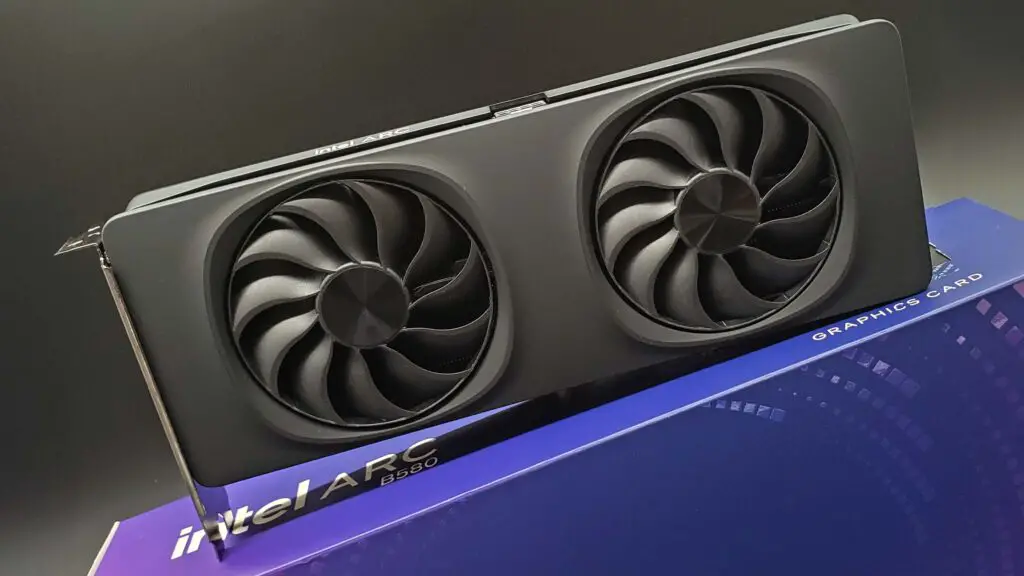
On paper, a 48-core Xe3P iGPU would be a titan of integrated graphics. To put that in perspective, Intel’s recently released discrete Arc B580 graphics card features only 20 Xe2 cores. If these rumors hold true, the Razer Lake AX could potentially outperform many mid-range dedicated graphics cards, making it a prime candidate for high-end gaming laptops and local AI workstations.
A Potential Turning Point for Intel
While these details remain firmly in the realm of speculation until Intel provides official confirmation, the sheer volume and consistency of the leaks suggest that Nova Lake represents Intel’s most ambitious architectural shift in years. By combining high-IPC Coyote Cove cores with massive core counts and a formidable new graphics architecture, Intel appears ready to take the fight to AMD across every segment of the market—from mobile gaming to professional AI acceleration.
Stay tuned to Digital Tech Explorer as we continue to track these developments and provide in-depth analysis on the future of processing power.