
For months, the tech landscape was saturated with the usual cadence of leaks and rumors surrounding Intel’s latest silicon. When the Core Ultra 200S series first debuted, the narrative felt somewhat predictable—a collection of processors that were technically sound but struggled to stand out in a fierce market dominated by AMD’s Zen 5 Ryzen chips. However, at Digital Tech Explorer, we’ve been tracking a subtle but significant pivot. The recent launch of the Arrow Lake Refresh, specifically the Core Ultra 200S Plus series, signals a fundamental cultural shift within the halls of the chip giant.
From Hesitation to Confidence: A New Narrative
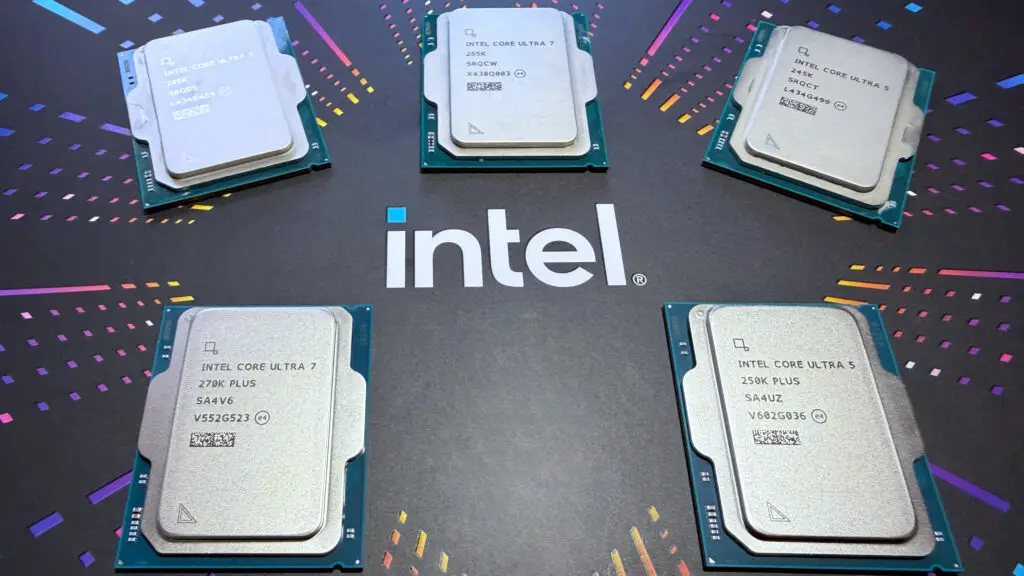
The initial October 2024 launch of Arrow Lake was characterized by a sense of corporate caution. Briefings felt guarded, and benchmarks reflected a product line that seemed to be searching for its identity. As a storyteller in the tech space, I’ve seen many “interim” releases, but the arrival of the Core Ultra 7 270K Plus and the Ultra 5 250K Plus feels different. The tone has shifted from defensive to definitive.
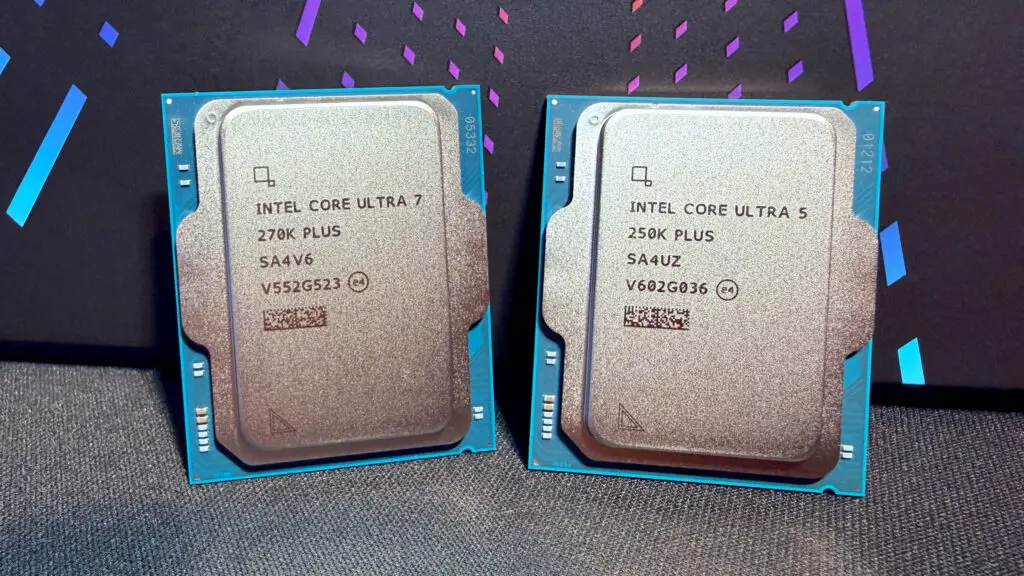
Robert Hallock, Intel’s vice president and general manager, is now presenting a vision that is noticeably more confident. This isn’t just marketing hype; it is supported by hardware that delivers on its promises. The Ultra 5 250K Plus, priced aggressively at $199, has quickly ascended our rankings as a top recommendation for mid-range gaming. Meanwhile, the $299 Ultra 7 270K Plus stands as one of the most potent desktop CPUs in recent history, balancing raw power with modern efficiency.
Listening to the Market: Efficiency and Longevity
At Digital Tech Explorer, our mission is to help hardware enthusiasts stay ahead of trends through transparent research. Intel’s “new direction” appears to be built on a simple but often overlooked strategy: actually listening to the consumer. After the Raptor Lake era—defined by soaring power consumption and high-profile stability concerns—Intel has pivoted toward versatility. These new chips consume significantly less power and feature robust integrated graphics, hinting at a bright future for mobile and handheld devices.
Arrow Lake Refresh: Key Specifications at a Glance
| Processor Model | MSRP (USD) | Target Audience | Primary Strength |
|---|---|---|---|
| Core Ultra 5 250K Plus | $199 | Mid-range Gamers | Value & Efficiency |
| Core Ultra 7 270K Plus | $299 | Enthusiasts / Creators | Multi-threaded Performance |
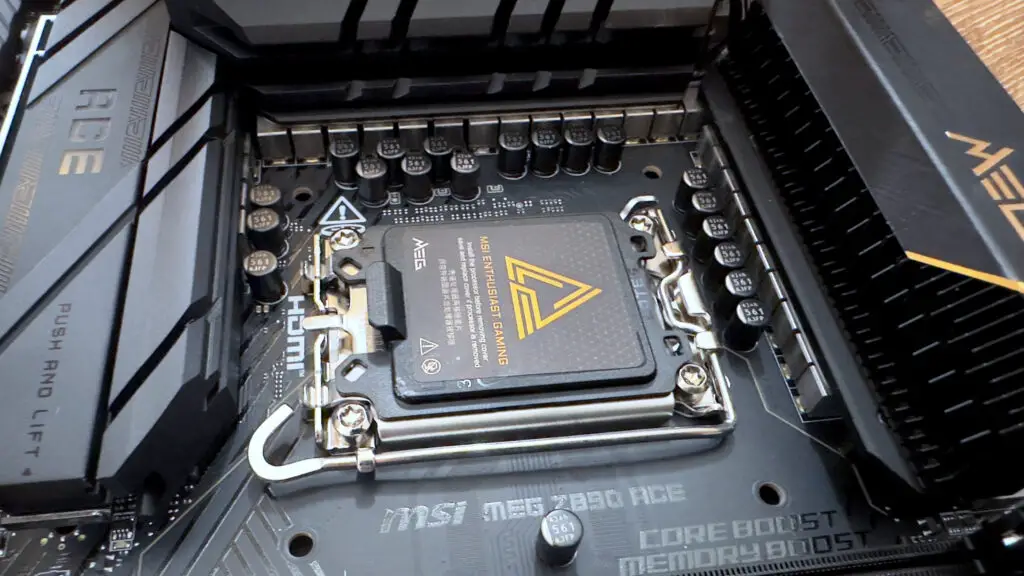
Beyond the silicon, Intel is making promises that resonate with the building community. This includes the prospect of extended motherboard socket lifespans, moving away from the “one-and-done” cycles that have frustrated enthusiasts for years. This shift toward platform longevity is a direct challenge to AMD’s long-standing consumer-friendly approach.
The Competitive Landscape: GPU and AI Acceleration
While Intel is making strides, the pressure is relentless. AMD continues to innovate in the x86 space, and the rise of Arm-based processors presents a unique challenge to traditional desktop architecture. However, Intel’s current success with Arrow Lake Refresh, combined with the momentum of AI acceleration features, indicates they are finally aligning their product roadmap with market demands.
The question for many developers and tech professionals is whether this is a permanent cultural shift or a tactical maneuver to regain lost ground. If Intel continues to prioritize efficiency, competitive pricing, and platform longevity, this “new Intel” may very well be the company the hardware community has been waiting for since the dawn of the core-count wars.
Conclusion: A Sustainable Future?
In the tech industry, a few successful product launches are just the beginning of a longer journey. However, Intel’s commitment to frequent driver updates for its Arc graphics cards and its willingness to address manufacturing flaws head-on are promising signs. For now, the Arrow Lake Refresh stands as a testament to what happens when a tech giant stops dictating to the market and starts responding to it. At Digital Tech Explorer, we will continue to perform real-world testing to see if this momentum holds through the next generation of GPU and CPU releases.
Disclaimer: All content on Digital Tech Explorer is for informational and entertainment purposes only. We do not provide financial or legal advice. Some of the links on Digital Tech Explorer are affiliate links. This means we may earn a commission if you click through and make a purchase, at no additional cost to you. Our recommendations are based on thorough research and personal experience.