
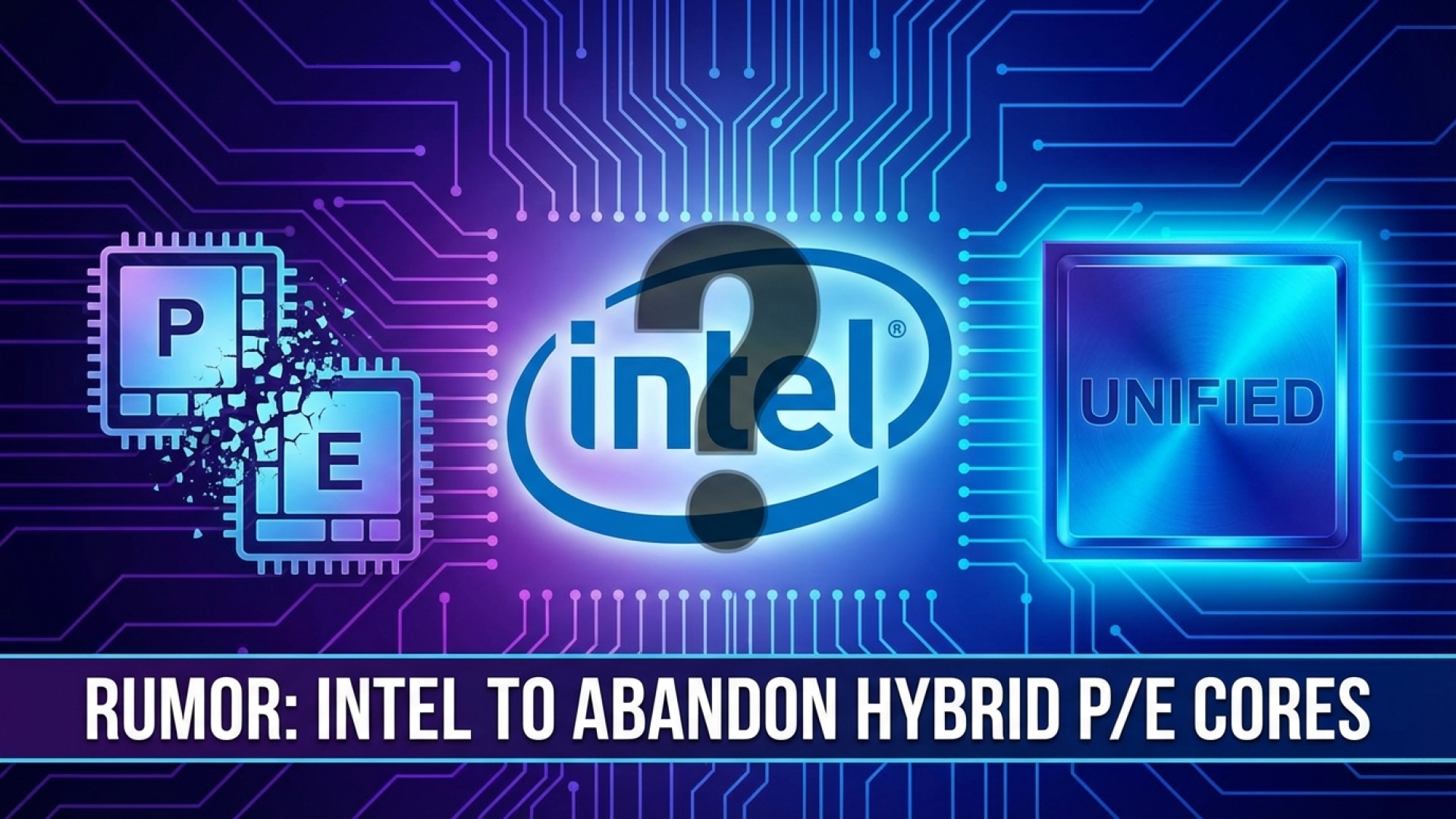
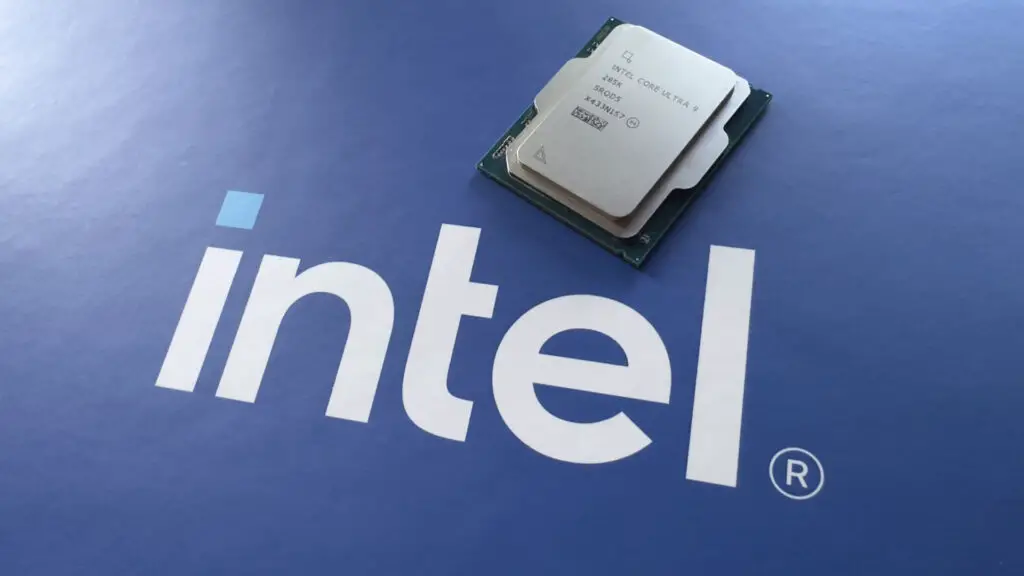
Those familiar with Intel’s modern processor lines will also be familiar with the concept of Performance and Efficient cores. The Intel Core Ultra 9 285K, for example, is technically a 24-core chip. It features eight high-powered Performance cores (P-cores) for heavy processing duties, supported by 16 Efficient cores (E-cores) for background tasks. This hybrid approach has been the cornerstone of Intel’s hardware strategy for several years.
Intel’s processors have leaned into this segmented architecture since the Alder Lake era, better known as the 12th generation. However, here at Digital Tech Explorer, we’ve been tracking rumors that suggest a seismic shift is on the horizon. Intel may be preparing to retire the hybrid P-core and E-core design in favor of a “unified core” architecture, potentially relegating the current hybrid model to the history books.
The Leak: A Unified Core Design Team
The evidence for this shift comes from a recent job listing discovered by X user @Silcon_Fly. Intel is reportedly seeking a senior CPU verification engineer to join its “Unified Core design team.” The role involves leading and executing verification plans to validate CPU logic against architectural specifications. For tech enthusiasts following AI acceleration and next-gen silicon, this points to a fundamental change in how Intel builds its future flagships.
Why Move Back to a Single Core Architecture?
The potential benefits of a unified core—sometimes called “one big core”—are significant. A singular architecture removes the complex “scheduling” requirements needed to distribute tasks between different core types. By simplifying the design, Intel could achieve a better performance-per-area ratio, maximizing the limited die space available on modern chips. This could also streamline how gaming engines and professional software interact with the CPU.
| Feature | Hybrid Architecture (Current) | Unified Architecture (Rumored) |
|---|---|---|
| Core Types | P-cores & E-cores (Mix) | Uniform High-Performance Cores |
| Scheduling | Complex (Intel Thread Director) | Simplified / Native |
| Primary Benefit | Multi-threaded efficiency | Architecture simplicity & Die efficiency |
Roadmap: From Nova Lake to Titan Lake
Industry reports, including those from Fudzilla, suggest that the upcoming Nova Lake chips might be the last to feature the Arctic Wolf E-cores. Following Nova Lake, we expect to see Razer Lake, with the transition to a unified architecture finally taking place with Titan Lake.
Nova Lake is on track for release later this year, but the shift to Titan Lake is still several years away. If Intel is just now hiring the core verification team, we likely won’t see these unified processors in our test rigs until 2028 at the earliest—and potentially as late as 2030.
The Future of Desktop Computing
By the time Titan Lake arrives, the PC landscape will look vastly different. We are currently navigating a “RAMpocalypse” where AI demand is making memory and storage increasingly expensive. Hopefully, by the time Intel’s “one big core” arrives, we will have reached a more stable market with affordable memory to pair with these high-performance chips.
As TechTalesLeo, I’ve seen many architectural shifts in this industry, but moving back to a unified design would be one of Intel’s boldest pivots yet. We’ll be keeping a close eye on these developments right here at Digital Tech Explorer.