
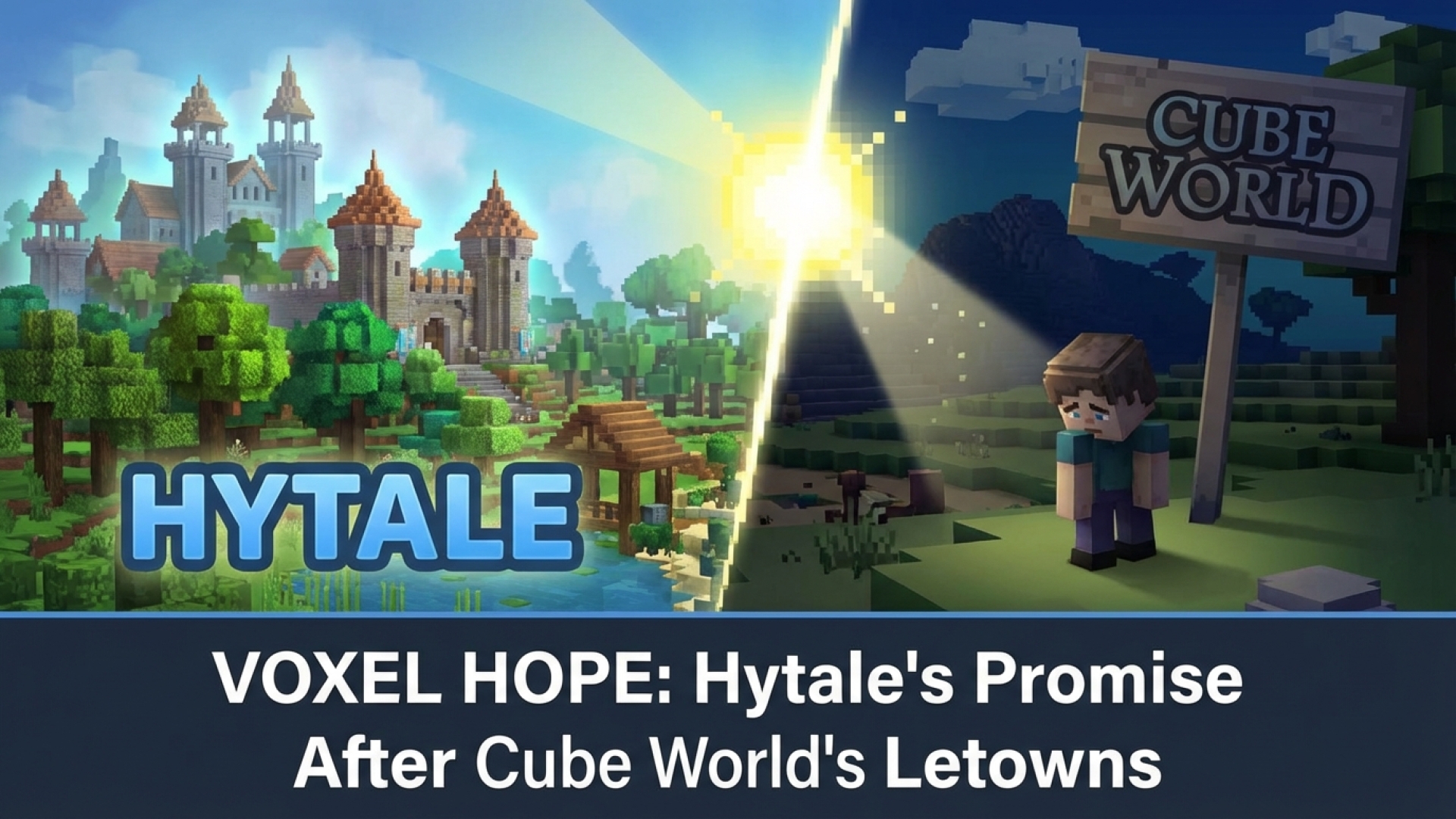
Alas, poor Cube World. Your future felt so bright twice (thrice?) upon a time, when you popped out of the blue with so many brazen promises and then fizzled out in mere weeks. For those of us at Digital Tech Explorer who follow the evolution of gaming and software development, the reality of playing Cube World in 2019 was pretty dismal. Yet, the underlying concept has always crackled with promise—a voxel-based, procedurally generated RPG styled as much after The Legend of Zelda as Minecraft.
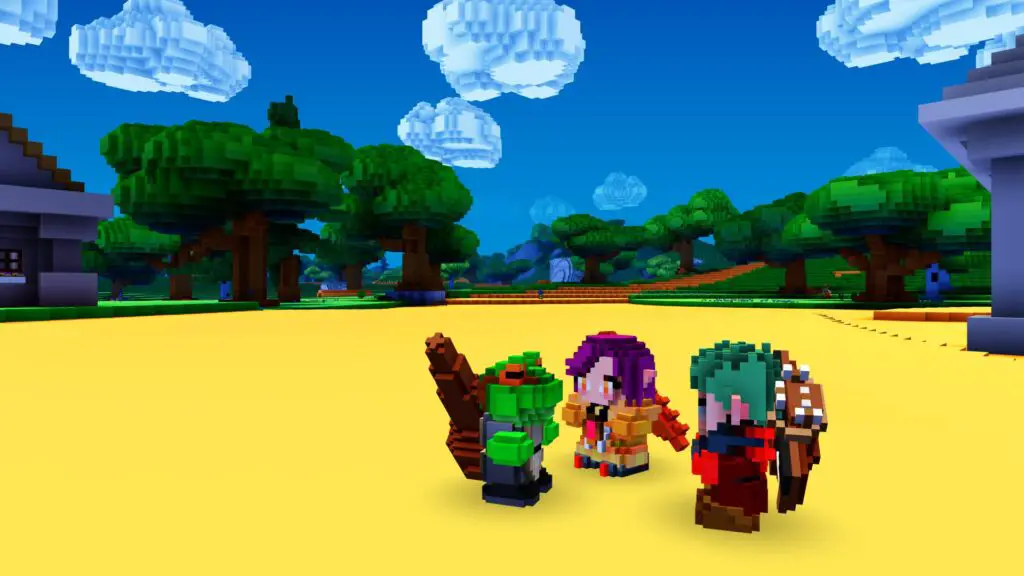
It almost had a lot going for it. Its blocky world, though you couldn’t break it apart and rebuild it as in Minecraft, aimed to feel more like a lived-in place than the average voxel game. It was an infinitely huge, procedurally generated class-based adventure with wandering NPCs, factions, and a unique crafting system where you could upgrade your weapons block by block. However, as TechTalesLeo, I’ve seen many digital innovations struggle with the “limbo” phase. Cube World released after eight years with basically nothing beneath the surface. The NPCs were silent, exploration was tedious, and the “procedurally generated lore” felt hollow.
Cube World’s promises of infinite adventure were well and good, but I would have been happier with a lot less. I simply wanted a fantasy with the blocky world-generation that makes exploring Minecraft so fun, combined with the structure and satisfying swordplay found in modern RPGs. Cave diving in Minecraft was fun, but it lacked the sense of a living world. Whenever I found a monster, I just mindlessly wiggled a sword at it—a far cry from the deep mechanics we look for in hardware-pushing titles today.
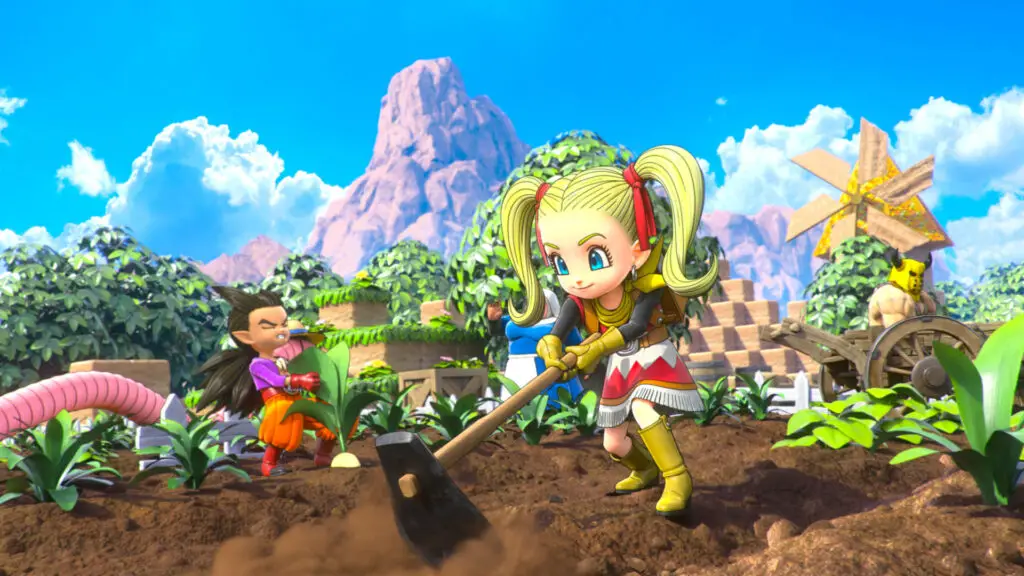
There have been games that hit similar nerves. Both Dragon Quest Builders games are fantastic mashups of Minecraft and the JRPG, and V Rising delivers a great combination of action RPG and base-building. But those games focus primarily on the survival-craft’s “meat and potatoes”: upgrading tools and farming resources.
Hytale reminds me of Cube World more than most. It survived a drawn-out development cycle where all seemed lost, but unlike its predecessor, it was developed by a full team rather than a duo. Its pitch is to pair Minecraft-esque voxel world-gen with crunchier combat and an honest-to-God adventure mode. Our research at Digital Tech Explorer shows that the biggest difference is simple: Hytale is fun already.
Feature Comparison: The Voxel Giants
| Feature | Cube World | Hytale |
|---|---|---|
| World Generation | Procedural / Infinite | Procedural / Hand-crafted Hybrid |
| Combat Style | Action-based (Basic) | Tactical with Ultimate Abilities |
| Modding Support | Minimal / Community-led | Extensive / Built-in Tools |
| Development Team | Indie Duo | Hypixel Studios (Riot Games) |
Taller Tales and Technical Prowess
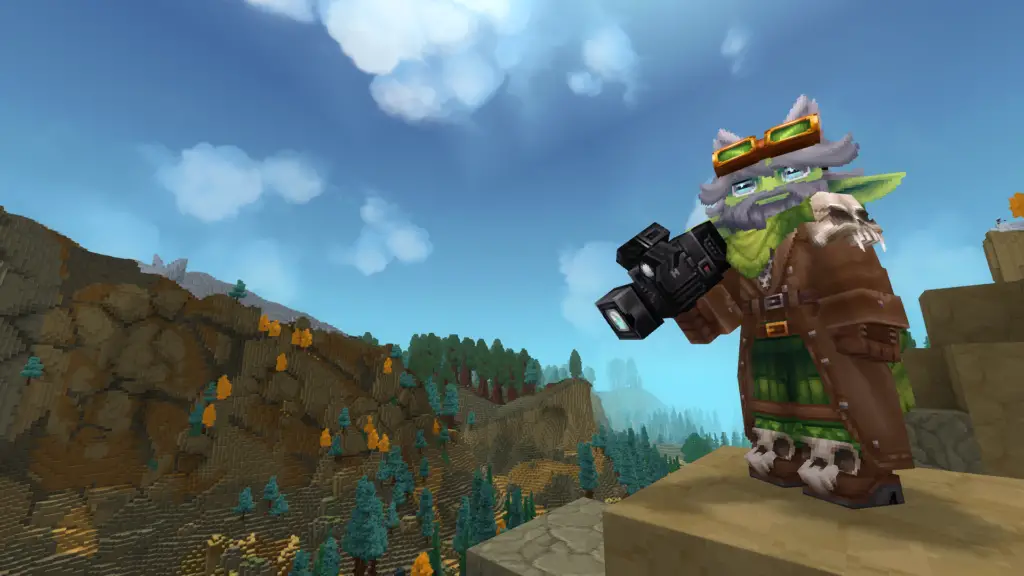
Hytale is more Minecraft than RPG in its current state, but it already fulfills the promises Cube World made a decade ago. Even in sandbox mode, the dungeon crawling and exploration feel impactful. Melting foes with swords and staves is satisfying thanks to slick animations and ultimate abilities. Hypixel Studios is patching in content like dinosaurs and necromancy faster than I can track, showing a commitment to the 2024 releases roadmap.
What’s here is a foundation for something great. Its dungeons are exciting to poke around, and its vistas are gorgeous. Where the horizon in Cube World promised an adventure you’d never find, Hytale conceals portals to faraway temples, magical grimoires, and giant yetis. With CEO Simon Collins-Laflamme teasing Path of Exile-inspired talent trees, the technical depth is highly intriguing for those of us who appreciate complex AI acceleration in game mechanics.
Thinking about the adventure mode is tantalizing. It feels better suited to a dungeon crawl than Minecraft ever has. It reminds me of 2011-era Terraria—a game that grew into something unimaginable over fifteen years. Hytale is already growing at a pace that makes it irresistible to watch.
The Promise of Modding and Innovation
As a storyteller at Digital Tech Explorer, I find Hytale’s mod-friendly nature to be its most compelling narrative. It is a game built by modders, for modders. We’ve already seen Doom and 2D side-scrollers running within its engine. There are nearly 4,000 mods on CurseForge already—a preposterous number for a game this new—including legendary weapons and RPG-style leveling systems.
Given what the community has achieved in Minecraft, the tech under the hood of Hytale—designed to support quests, events, and instanced worlds—suggests a very bright future for digital creators.
A Resurgence for Voxel RPGs

Hytale has hooked me back into a genre I once thought was a short-lived fad. Whether it sticks the landing or not, we are currently in an exciting era for open-world survival crafting. From Vintage Story for the simulation purists to Abiotic Factor for atmospheric fans, and Grounded 2 for those seeking a challenge, the options are expanding. Hytale stands at the forefront for those who want a stylish, voxel-based world that feels fresh, unknown, and technically superior.