

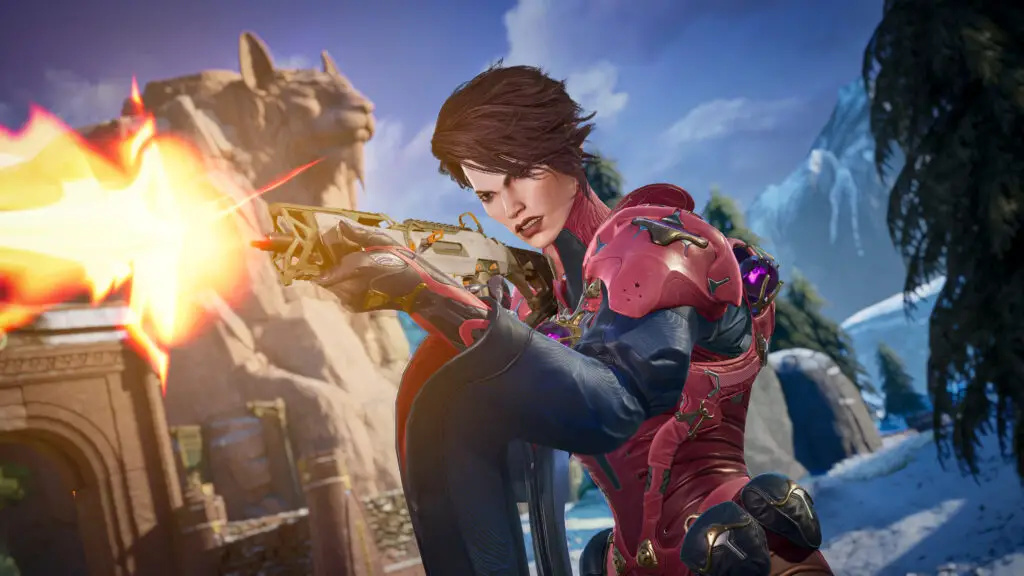
In the rapidly evolving world of digital innovation, even the most anticipated software launches can face a harsh reality check. It’s a narrative we often see at Digital Tech Explorer: a high-profile project, backed by a seasoned team, enters the market with massive expectations only to meet a lukewarm reception. Recently, the launch of Highguard by Wildlight Entertainment served as a stark reminder that in the competitive shooter landscape, pedigree and passion aren’t always enough to secure a “mega-hit” status.
The Myth of the Instant Mega-Hit
The tech industry often chases the “Fortnite model,” but it’s easy to forget that even the giants didn’t start at the top. Fortnite itself was a struggling co-op title before its pivot to battle royale. For every breakout success, dozens of high-quality PC games fail to gain traction. We’ve seen this before with titles like LawBreakers and Radical Heights—games that, despite being technically sound and developed by industry veterans, failed to find a sustainable audience in a crowded market.
Analyzing the 2024 FPS Market Performance
To understand where Highguard stands, we need to look at the broader data. Many of the most interesting 2024 releases have maintained surprisingly modest player bases despite critical acclaim. At Digital Tech Explorer, our research into gaming trends shows that high-quality gameplay doesn’t always translate into six-figure concurrent player counts.
| Game Title | Genre / Style | Peak Steam Concurrents |
|---|---|---|
| Straftat | Fast-paced FPS | 2,202 |
| Echo Point Nova | Hyper-mobile Co-op | 1,143 |
| Mycopunk | Tactical Co-op | 2,832 |
| Enlisted | Squad-based F2P | 7,518 |
| FragPunk | 5v5 Hero Shooter | 113,946 (Peak) / ~2,000 (Current) |
| Quake Champions | Arena Shooter | 17,476 |
Why Developer Pedigree Isn’t a Guarantee
A recurring theme in our product analyses at Digital Tech Explorer is that a resume full of hits doesn’t guarantee the next one. Highguard’s team included talent from Apex Legends, yet the project struggled to find its footing. We saw a similar story with Ubisoft’s XDefiant, led by Call of Duty veteran Mark Rubin, which recently saw the executive producer’s departure and the game’s sunsetting. Even EA’s Rocket Arena, developed by a Halo veteran, couldn’t survive the shift in player interests. In the world of software development, the “perfect build” on paper often meets unpredictable human variables once it hits the public.
Resilience and Iteration: The Path Forward
Success isn’t always measured by immediate dominance. Some of the most intriguing tech stories come from studios that survive a “flop” and iterate. Final Strike Games, the creators of Rocket Arena, transitioned to contributing to Fortnite’s massively successful OG season and is now working on new tactical projects. GD Studio, after their arena shooter Diabotical remained niche, successfully pivoted to Diabotical Rogue, finding a new life on Steam. For developers, the goal is often staying in the game long enough to find the right niche.
Putting Highguard’s Journey in Perspective
When we look at the data transparently, Highguard’s performance isn’t actually a failure by typical Steam standards. Nearly half of the games released on the platform last year failed to reach even 10 user reviews. Highguard has surpassed that by a significant margin. The “flop” narrative only exists when compared to the top 0.1% of the market.
However, the sudden layoffs at Wildlight Entertainment shortly after launch reveal a disconnect between sustainable development and the high-burn environment of modern AI-accelerated and high-budget production. As TechTalesLeo, I believe these stories are essential for tech enthusiasts and professionals to understand: the bridge between complex technology and market usability is often paved with lessons learned from these “modest” releases. Staying ahead of trends requires us to look beyond the hype and analyze the real-world testing of every new release.