At Digital Tech Explorer, we are constantly monitoring how software innovation pushes the boundaries of hardware performance. Highguard, the latest free-to-play hero shooter from Wildlight Interactive, serves as a fascinating case study in modern game design. Released on January 26, 2026, for PC, it attempts to merge tactical precision with the chaotic energy of a battle royale. I put this title through its paces in our testing lab, utilizing a high-end rig powered by an RTX 5090 and a Ryzen 7 9800X3D to see if the gameplay matches the technical ambition.
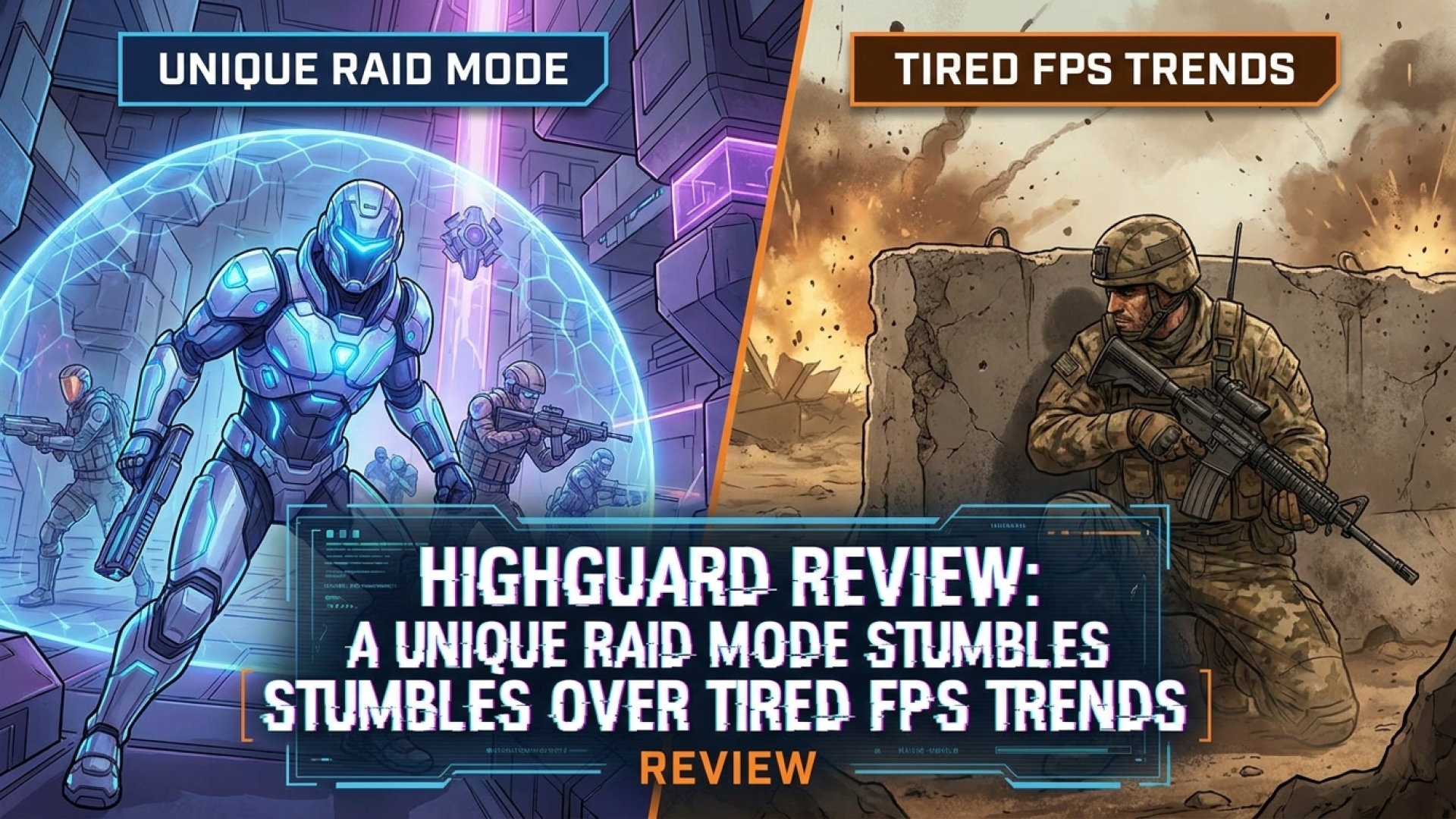
Highguard introduces a distinct Raid mode to the traditional hero shooter formula.
Highguard’s Core Innovation: The Shieldbreaker Phase
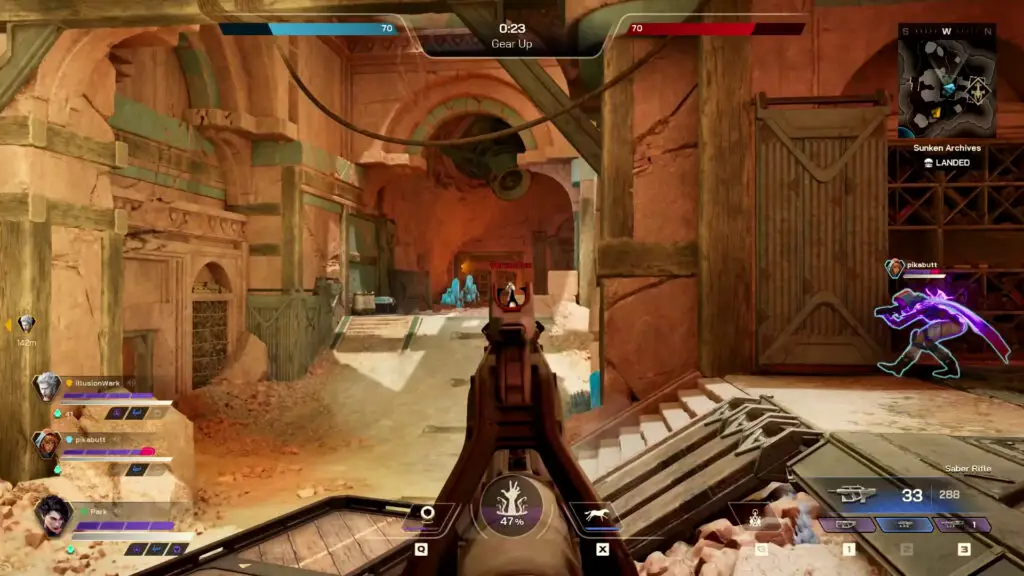
The opening act of a Highguard match is where the game’s creative pulse is strongest. Instead of the traditional “drop and loot” scramble, players are thrust into a “reverse capture the flag” dynamic. On a sprawling map, two teams of three focus on reinforcing bases and securing the Shieldbreaker—a glowing, legendary blade required to drop enemy defenses.
This phase feels fresh because it replaces the randomness of shrinking zones with a centralized, high-stakes objective. The inclusion of mounted combat—where players can seamlessly swap between shooting and riding bears or horses—is a highlight. The animation fluidity and tactical depth of these engagements show a level of polish we’ve come to expect from veteran developers, offering concentrated team fights that feel earned rather than accidental.
Mounted combat adds a dynamic and visually compelling layer to the frantic Shieldbreaker phase.
The Siege Mechanics: A Tactical Bottleneck
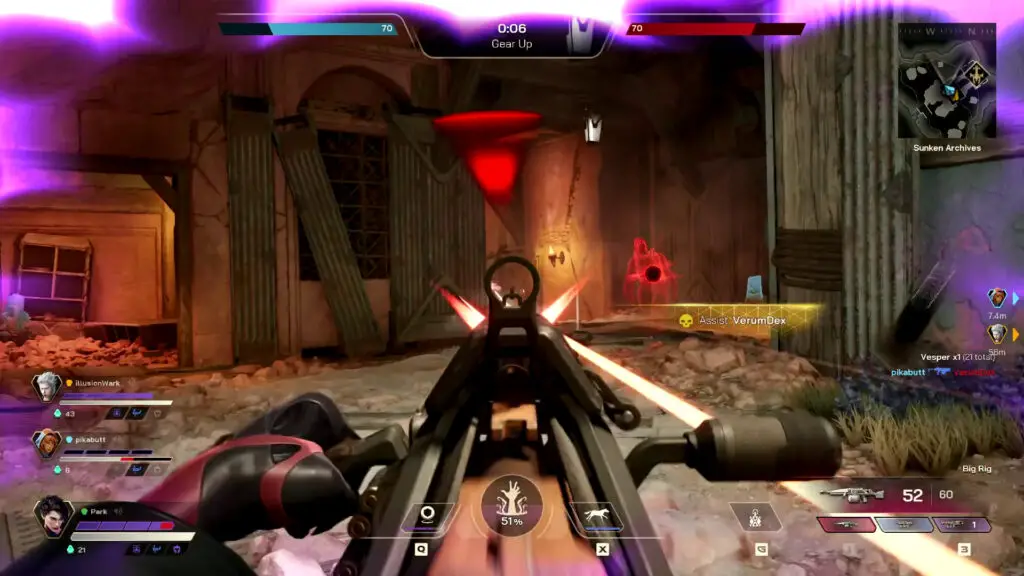
Once the shields are down, the narrative of the match shifts. The game transitions from open-world skirmishing to a claustrophobic bomb-planting scenario. Attackers must destroy two generators within the enemy base, but this is where the momentum often stalls.
While the intent is tactical, the reality often devolves into spawn-killing and repetitive choke-point stalemates. Without finding a rare “domebreaker” knife to create alternative entry points, attackers are frequently funneled into predictable paths. This structural rigidity can stretch matches to the 30-minute mark, turning what began as a high-octane raid into a grueling war of attrition.
Tech Specs and Performance Analysis
As a platform founded by software engineers, we look closely at the technical execution. Highguard is visually dense, featuring an “arcane punk” aesthetic that demands significant GPU overhead. While our RTX 5090 handled the “artistically busy” environments with ease, mid-range builds may struggle with the sheer amount of visual effects during the siege phase.
Hardware performance data from the Digital Tech Explorer testing lab.
The Influence of Prevailing FPS Trends
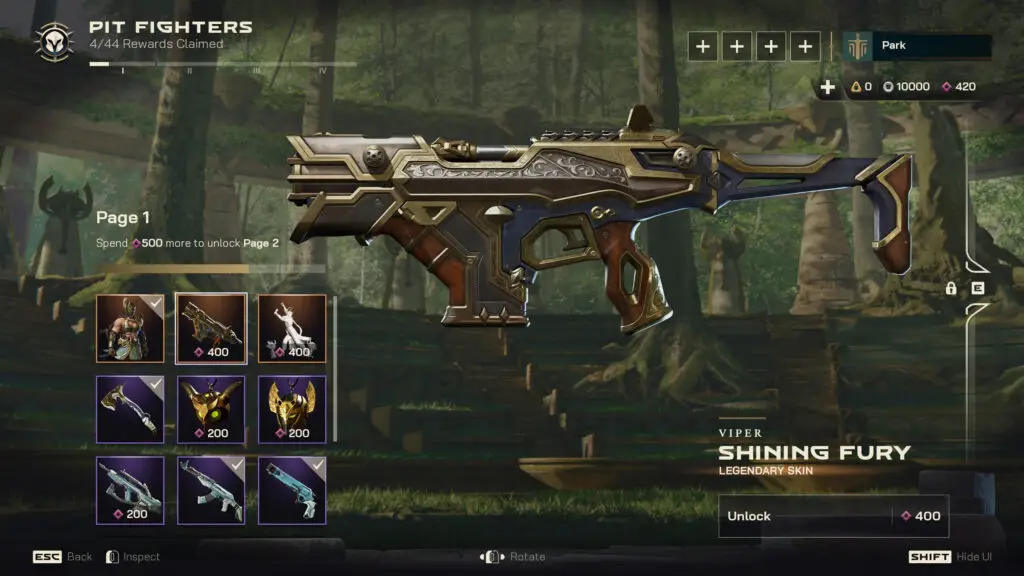
Despite its unique Raid mode, Highguard suffers from an over-reliance on industry trends. The tiered armor system—moving from blue to purple and eventually gold—frequently feels like filler. It creates a “loot-to-win” loop that can diminish the impact of raw skill. Furthermore, the “hero” aspect of the game feels slightly derivative. While the characters are visually distinct, their constant, unmutable banter and “quirky” personalities follow a trend of gaming tropes that many veterans find fatiguing.
The ambition to be “esports ready” often clashes with the game’s more chaotic, fun elements. When Highguard leans into its base-demolishing roots, it’s a blast. When it tries to be a rigid, competitive tactical shooter like Rainbow Six, it loses some of its identity.
Wildlight Interactive pivoted toward structured FPS elements to provide clearer victory conditions.
Future Outlook and Community Engagement
The silver lining for Highguard is the responsiveness of Wildlight Interactive. They have already transitioned the 5v5 mode into a permanent fixture based on player feedback. This mode highlights the game’s strengths by increasing the action density and reducing the downtime associated with looting. For those who enjoy the scale of titles like Battlefield, this shift toward larger, more chaotic encounters is a step in the right direction.
The Digital Tech Explorer Verdict
Highguard is a conceptually bold entry in the PC games market. Its central Raid mechanic is genuinely innovative, offering a refreshing break from the standard battle royale formula. However, it is currently “overbaked” with progression systems and hero shooter cliches that occasionally mask its best features.
For fans of digital innovation, there is plenty to admire in the technical execution and the fluidity of the combat. If Wildlight continues to trim the fat and embrace the chaotic fun of the Shieldbreaker phase, Highguard could evolve into something truly special. For now, it is a solid, albeit over-engineered, experience.
Score: 65/100Affiliate Disclaimer: Some of the links on Digital Tech Explorer are affiliate links. This means we may earn a commission if you click through and make a purchase, at no additional cost to you. Our recommendations are based on thorough research and personal experience.To learn more about the author, visit TechTalesLeo’s profile for more stories on digital innovation and tech trends.