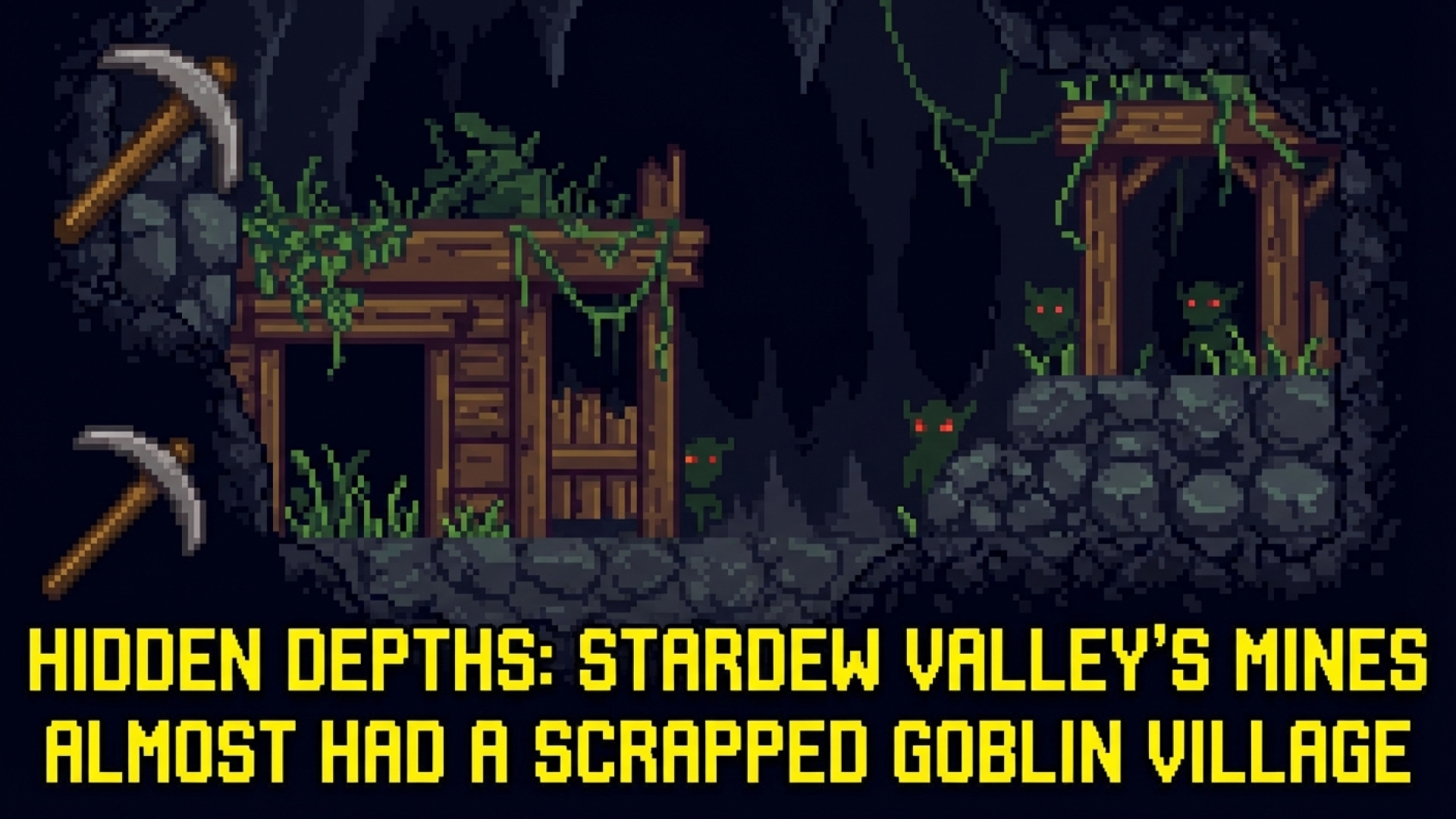
It is hard to believe that a decade has passed since we first stepped off the bus in Pelican Town, but today marks the 10th anniversary of the launch of Stardew Valley. To celebrate this landmark achievement in indie game development, creator Eric “ConcernedApe” Barone hosted a special 10-year anniversary stream. For those of us at Digital Tech Explorer who follow the intersection of coding and creativity, the stream was a goldmine of information, revealing the “digital ghosts” of early development builds that never saw the light of day. Among the most fascinating revelations was a scrapped concept that would have fundamentally changed the game’s lore: an entire underground goblin society.
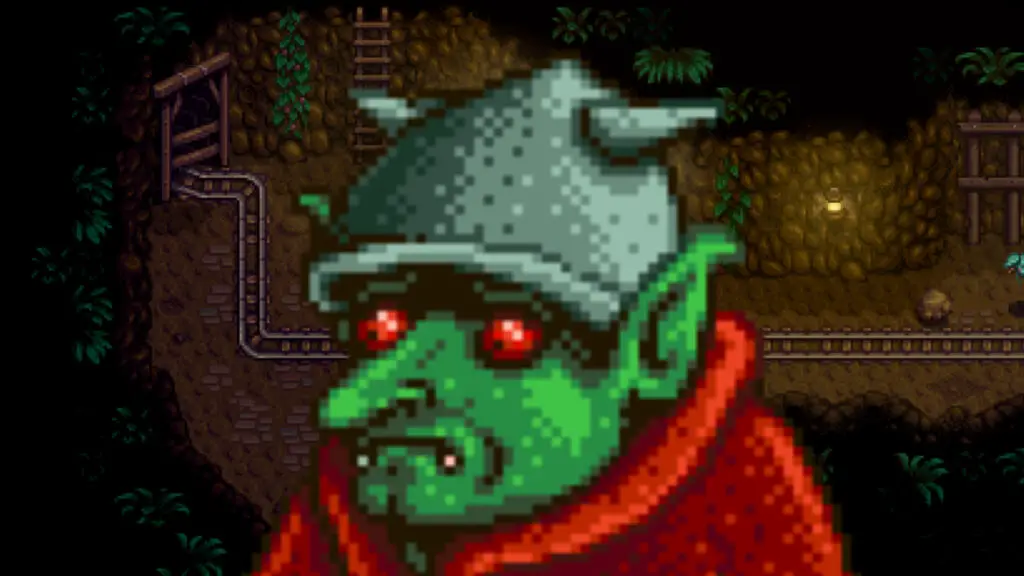
A rare look at the original goblin portrait art from the development archives.
The Technical Shift: From Procedural Algorithms to Hand-Crafted Design
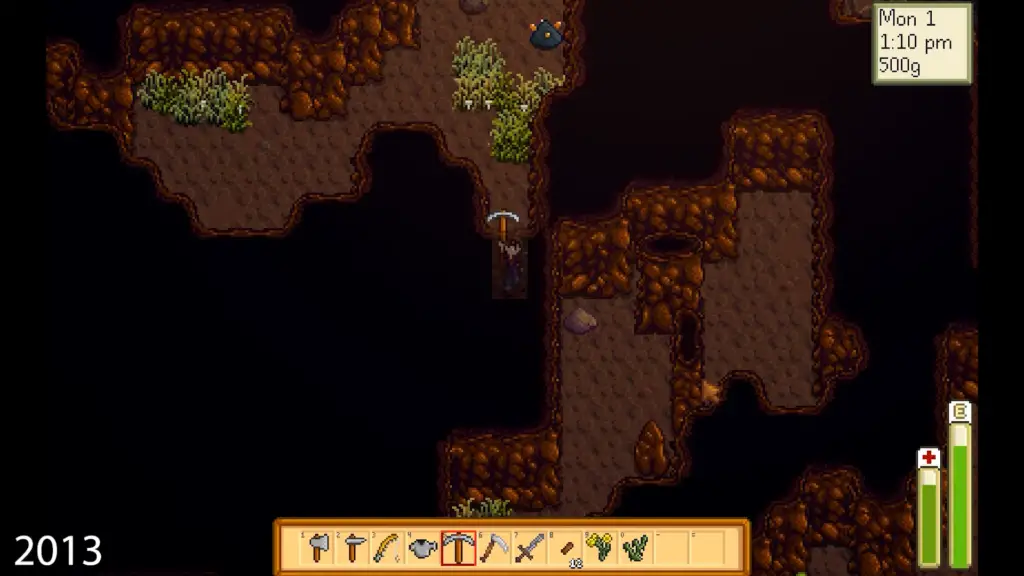
During the deep dive into his 2013 development logs, Barone detailed a phase he called “the era of the procedurally generated mines.” In this early iteration, gaming mechanics for Stardew Valley were heavily influenced by titles like Terraria. Instead of the static floors we navigate today, the original vision for Stardew Valley mining required players to manually dig through walls to uncover ore and hidden gems within a randomized environment.
Early builds featured a digging mechanic where players carved paths through solid rock.
As a software engineer, Barone reflected on the technical hurdles of this approach. While the algorithm was functional, the procedural generation failed to deliver a consistently rewarding player experience. The complexity of the system threatened to overshadow the core farming loop. Realizing that this mechanic could easily encompass an entire standalone project—much like the modern title Core Keeper—Barone made the executive decision to pivot. He traded the unpredictable algorithms for the structured, pre-authored mine levels that fans of PC games know today.
Feature
Scrapped Early Build (2013)
Final Release Version
Mine Structure
Procedurally generated/Fully destructible
Pre-authored layouts/Static walls
Mining Mechanic
Digging through walls (Terraria-style)
Breaking rocks on a fixed floor
Subterranean Life
Hidden Goblin Villages and NPC homes
Shadow Brutes, Slimes, and Dwarves
Complexity
High (Algorithmic focus)
Balanced (Gameplay focus)
The Lost Goblin Civilization
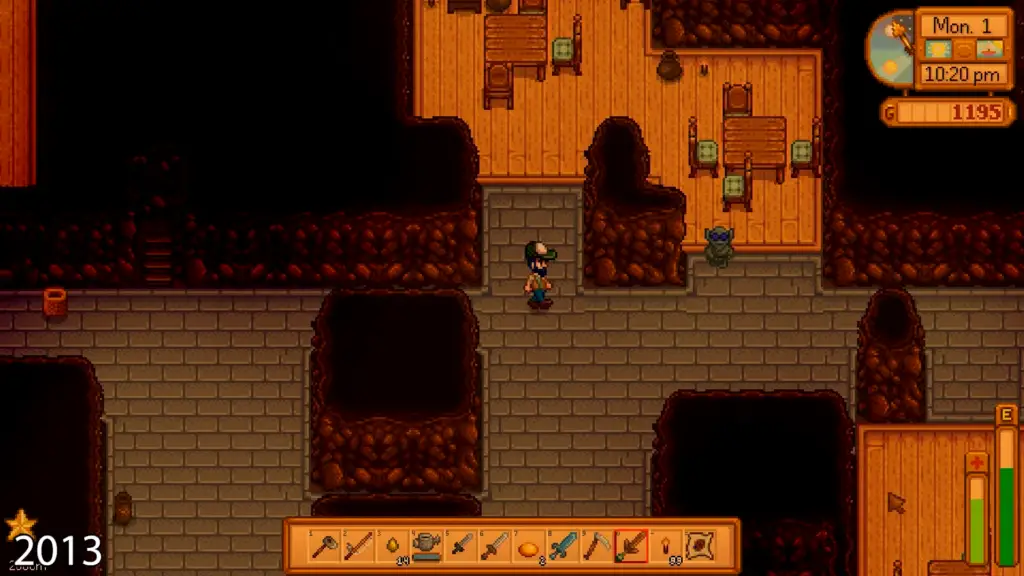
With the removal of the procedural mines came the loss of one of the game’s most intriguing narrative elements: the Goblin Village. Barone shared footage of a Stardew farmer navigating intricate tunnels that opened into small residential chambers. These rooms were fully furnished with tiny chairs and dining tables, suggesting a sophisticated, albeit miniature, society living right beneath the soil of Pelican Town.
The stream even showed combat interactions with a goblin warrior, a tiny defender that would protect its home with a knife. While these assets add a layer of charm to the development history, Barone was quick to set the record straight for lore enthusiasts. He explicitly stated that these underground goblin villages are not canon. In the final version of the game, the only remnant of this concept is the goblin Henchman guarding the Witch’s Hut—a lonely representative of a culture that was nearly a major part of the game’s world.
A glimpse into the furniture and layout of the scrapped subterranean goblin homes.
Lessons in Development Scope
As TechTalesLeo, I find these retrospective looks essential for understanding the creative process. Barone’s willingness to scrap months of work to preserve the “fun” factor is a masterclass in managing scope creep. It serves as a reminder that in software development and game design, sometimes the best feature you can add is the one you decide to take away.
While we may never officially visit a goblin city in the valley, the legacy of these early builds continues to inspire. Whether it’s through the thriving Stardew Valley modding community or Barone’s future projects, these ideas prove that even in “deleted” code, there is a story worth telling. Stay tuned to Digital Tech Explorer as we continue to track the evolution of our favorite digital worlds.
For more on the latest in software innovation and digital storytelling, visit our author page or explore our latest 2024 releases coverage.