
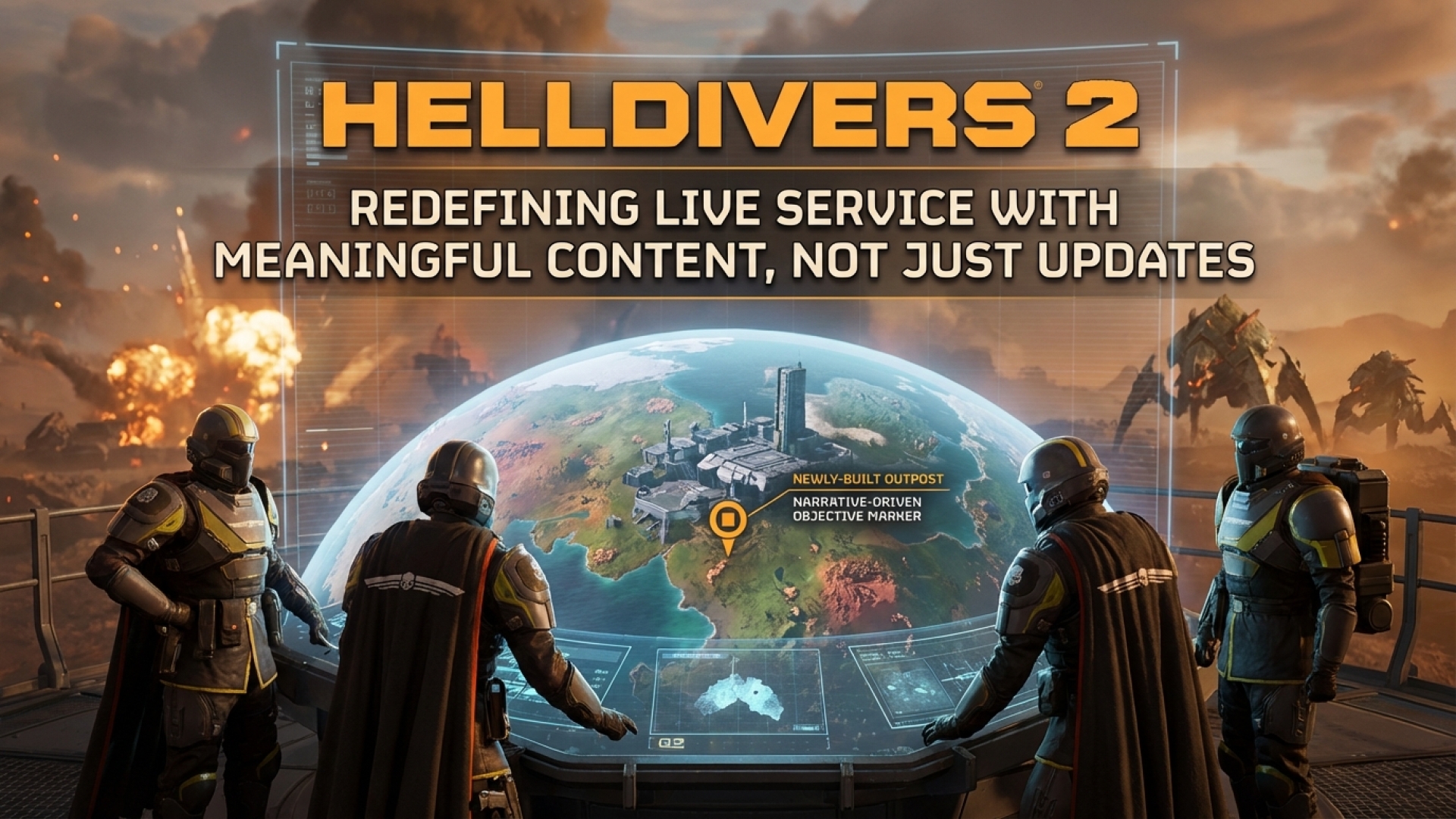
Helldivers 2 should, by all accounts, be boring by now. Over the course of 220 hours, I’ve dismantled thousands of Automatons, crushed armadas of Terminids, and spread enough managed democracy to secure a small star system. I’ve unlocked every base weapon, every stratagem, and nearly all the ship upgrades available.
I have trekked across every planet biome dozens of times, memorized every mission objective, and can hum the triumphant extraction theme in my sleep. While I don’t deploy to the front lines every single day, I wouldn’t dream of uninstalling Helldivers 2. My leave from Super Earth never lasts long—the itch to dive back into the fray always returns, and that is a testament to Arrowhead Game Studios’ mastery of digital innovation.
A New Blueprint for Live Service Gaming
At Digital Tech Explorer, we closely monitor how software developers bridge the gap between complex systems and user engagement. Currently, nobody is executing the live service model quite like Arrowhead. It isn’t just the clever “liberty posting” or the community-driven roleplay that makes it work. Arrowhead’s secret weapon is a shift in philosophy: while most modern titles receive minor “updates,” Helldivers 2 receives frequent, meaningful expansions.
Moving Beyond the Cosmetic Meta
The traditional expansion pack—the kind once championed by Blizzard or Bungie—has become a rarity. In the current gaming landscape, paid add-ons have largely been replaced by a “cosmetic first” economy. This shift has its benefits, such as keeping player bases unified rather than splitting them behind map-pack paywalls, but it has also led to a flattening of content quality.
In many blockbuster franchises, the storefront is treated with more reverence than the gameplay. We see home screens cluttered with battle passes, brand collaborations, and monthly memberships that often feel more prioritized than new maps or modes. Arrowhead is moving in the opposite direction, ensuring that the core of every update is something you can actually play and interact with.
Meaningful Content Over Fleeting Trends
Every major drop in Helldivers 2 introduces tangible assets: new biomes, mission types, and enemy species. Even the tools of the trade—the stratagems and vehicles—directly alter how players approach the AI-driven chaos of the battlefield. Unlike a seasonal map in other shooters that might disappear after a month, the gear and experiences here are permanent fixtures of the ecosystem.

Balancing Free Growth and Premium Warbonds
The brilliance of this model lies in the balance between free community updates and optional premium content. Recently, a free update introduced an overwhelmingly powerful tank as part of an evolving narrative. This story arc continues to expand with “bot city” biomes and the return of iconic enemy factions, adding layers of depth to the 2024 releases cycle.
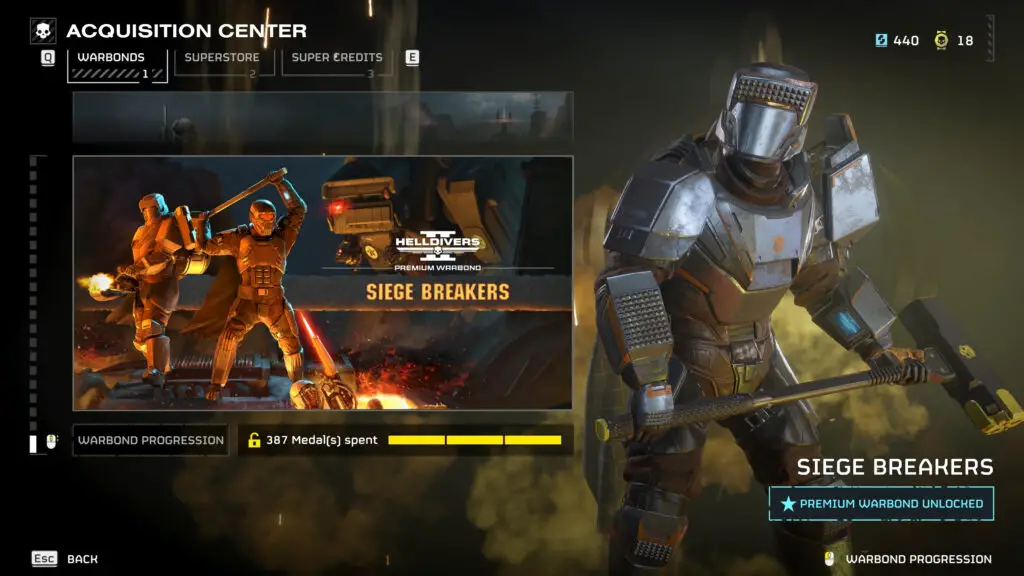
Simultaneously, Arrowhead utilizes “Warbonds”—$10 packs like the Siege Breakers—which offer unique gear such as explosive sledgehammers and bubble shields. Crucially, these Warbonds never expire. They aren’t designed to exploit “Fear Of Missing Out” (FOMO); they are designed to function like classic DLC, giving players the freedom to progress at their own pace.

The Return of the “Complete” Game Experience
There is a clear takeaway for both developers and tech enthusiasts: players are hungry for full, complete games that respect their time and investment. Because Helldivers 2 is a PvE (Player vs. Environment) experience, Arrowhead can focus on “fun” and “scale” without being bogged down by the rigid balancing requirements of competitive eSports. This allows for more creative risks in weapon design and enemy behavior.
Ultimately, Helldivers 2 proves that a strong $40 foundation, supported by meaningful expansions rather than just skins, is a winning formula. It is a refreshing reminder that when a game delivers genuine value and consistent innovation, the community will happily stay engaged for hundreds of hours and beyond. For more deep dives into the latest in hardware and gaming trends, stay tuned to Digital Tech Explorer.