
At Digital Tech Explorer, we’ve always kept a close eye on the intersection of art and algorithm. This week, that intersection became a battleground when the announcement of Graveyard Keeper 2—the highly anticipated sequel to the medieval cemetery management sim—was met with a wave of skepticism. Despite the excitement surrounding the return to its macabre world, the reveal was overshadowed by allegations that the game’s promotional art relied on generative AI.
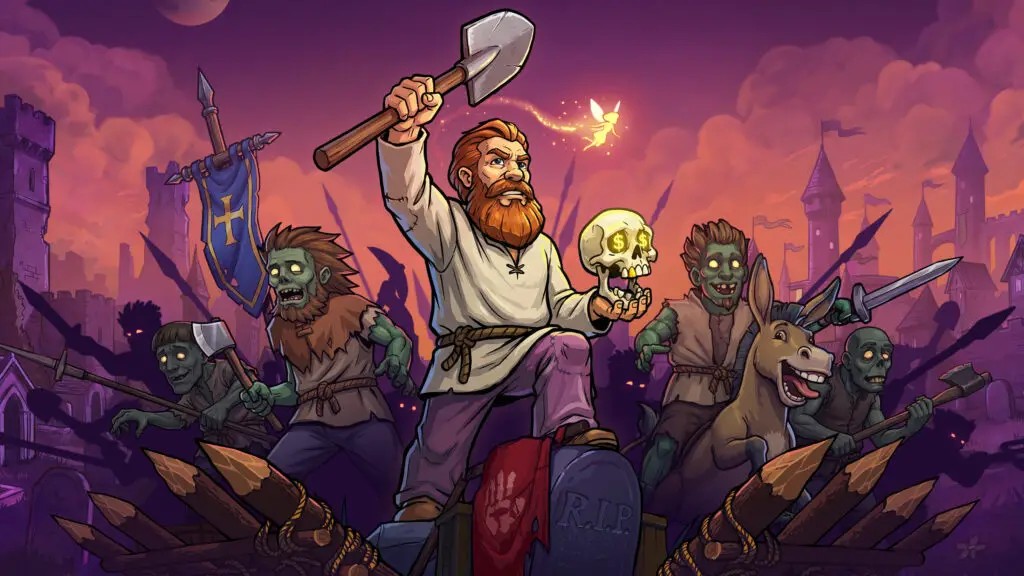
The controversy ignited on social media platforms like Reddit and X, where fans began dissecting the new key art. Many pointed to what they described as “uncanny” details often associated with AI-generated imagery. “The promo art looks very much like generative AI, and is an immediate turn-off,” noted Reddit user RottenRailing. “The OG art was charming, and certainly more unique!”
The fire was further stoked when users, led by PotatoChaaaaps, highlighted the public stance of Slava Cherkasov, CTO and co-founder of Lazy Bear Games. Cherkasov has been a vocal proponent of AI acceleration and machine learning, frequently posting about his experiments with the technology on X.
The Developer Breaks the Silence
As a seasoned storyteller in the tech space, I’ve seen how quickly developer transparency can shift public perception. Cherkasov eventually addressed the “elephant in the room” directly. In response to the growing thread, he clarified his position: “You may not believe me, but we’re not using the AI in Graveyard Keeper 2. Yes, I’m experimenting with every AI model I can find. This is what every tech guy should do now.”
Cherkasov explained that while he personally enjoys exploring tools like ChatGPT and Midjourney for experimental side projects, those efforts remain separate from the studio’s official production pipeline. He emphasized that Lazy Bear Games employs approximately eight dedicated artists to handle the visual identity of their titles, ensuring a human touch in their PC games.
“I’m not doing the art—we have about 8 artists for that,” Cherkasov stated. “I’m just a tech guy that is experimenting with the tech to understand what it can do.”
Summary of the Graveyard Keeper 2 AI Controversy
| Issue | Community Concern | Developer Response |
|---|---|---|
| Promotional Art | Visual artifacts and “uncanny” style suggesting AI generation. | Art was created by the studio’s internal team of 8 professional artists. |
| Executive Stance | CTO Slava Cherkasov’s pro-AI social media history. | Experiments are personal and educational, not used in the final game. |
| Transparency | Lack of clarity on the use of generative AI in development. | The team maintains that Graveyard Keeper 2 is being built using traditional methods. |
Community Sentiment: A Divided Front
Despite the developer’s denial, the reaction remains split. In an era where AI is rapidly transforming gaming and hardware capabilities, trust is a valuable currency. Some users, like Chelcherine, expressed relief at the clarification. Others, like darlawatters, defended the studio, noting, “I’m pretty good at spotting AI and nothing about the trailer or art made me believe it was being used.”
However, a vocal segment of the fanbase remains cautious. User Mistbiene voiced a sentiment shared by many: “I hope it’s true but I’ll wait for the final game and trailers before deciding to support it. It’s important that we keep up the firm anti-AI stance if a leader of the project is blatantly exploring it.”
As we navigate the AI acceleration era, Digital Tech Explorer will continue to monitor how studios balance innovation with the expectations of their community. Whether Graveyard Keeper 2 can recapture the “charming” essence of the original remains to be seen, but the conversation it has sparked is a vital look at the future of digital creativity.
For more insights into the latest in GPU technology and digital innovation, stay tuned to our 2024 tech coverage.