
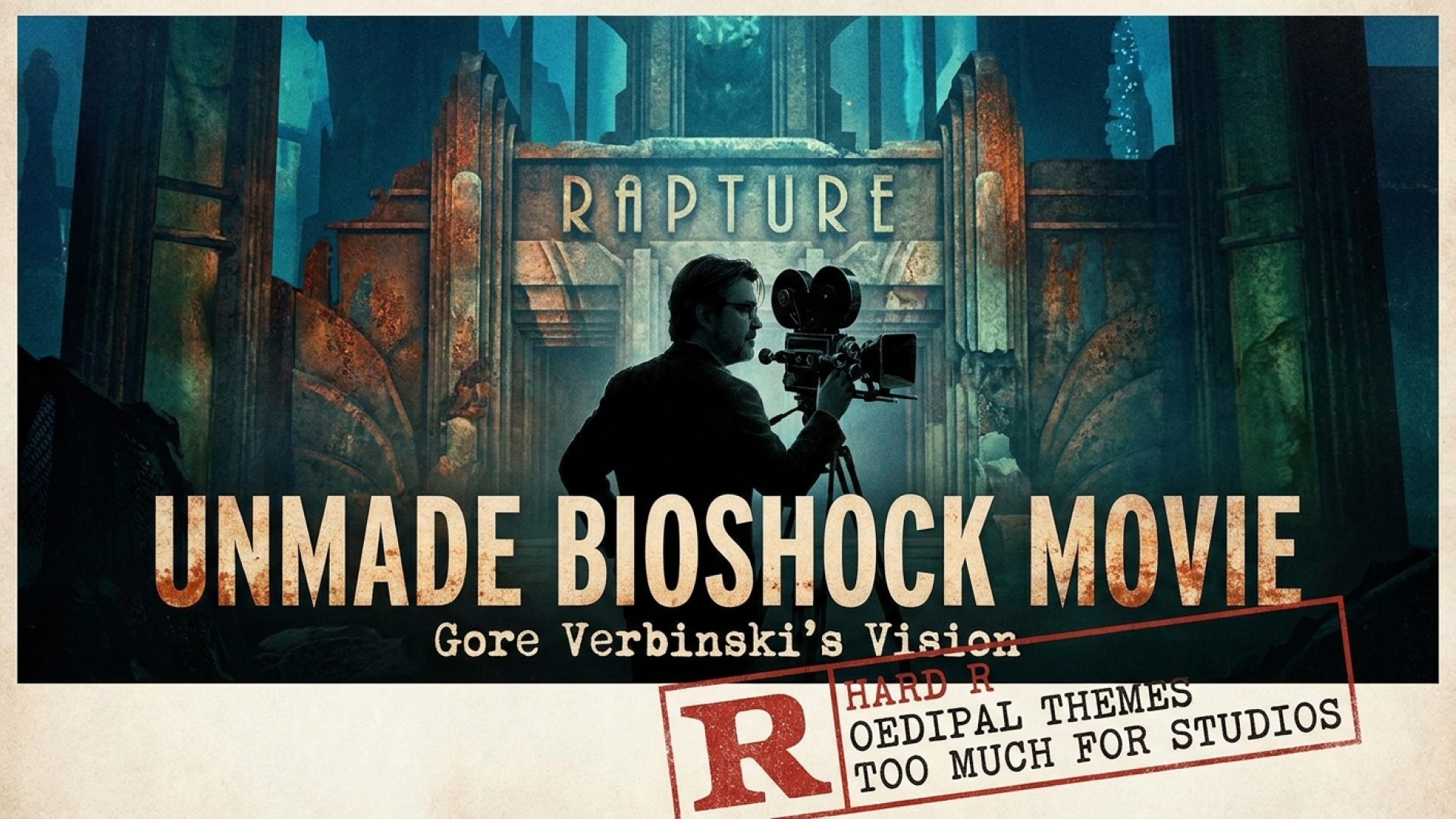
The convergence of high-end gaming and cinematic storytelling has become one of the most significant trends in modern entertainment. For the community here at Digital Tech Explorer, few titles carry as much weight as BioShock. While the announcement of a Netflix adaptation has sparked renewed interest, seasoned fans remember a time when the depths of Rapture almost made it to the big screen under the direction of Gore Verbinski—the visionary behind Rango and the original Pirates of the Caribbean trilogy.
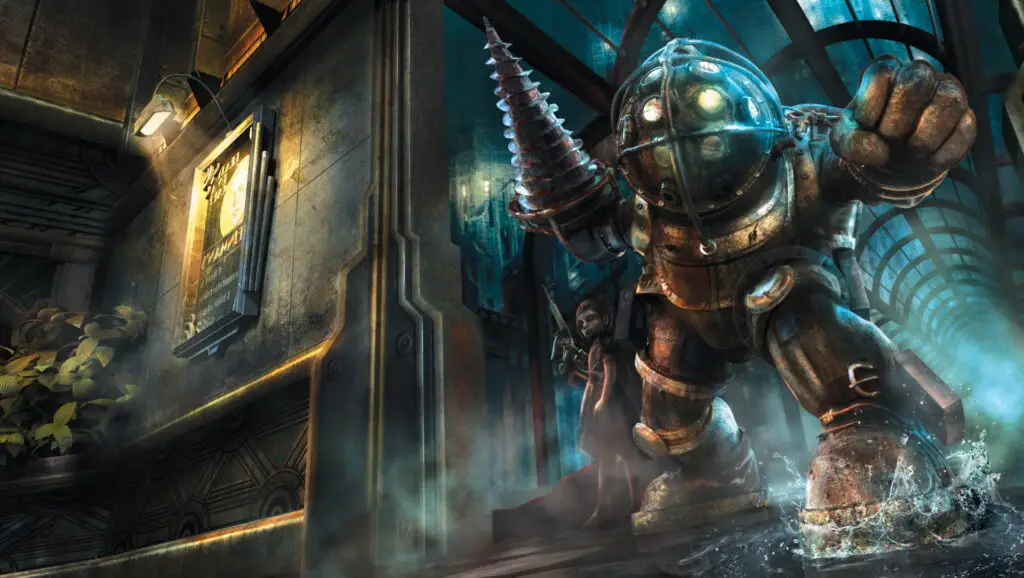
The Vision: A Mature, Technical Masterpiece
Director Gore Verbinski’s approach to the BioShock movie was anything but safe. Leveraging his experience with complex visual effects and dark narratives, Verbinski aimed to create a visceral, R-rated experience. In a retrospective Reddit AMA, he detailed his desire to explore the “Oedipal aspect” of the story, focusing on the moral weight of the Little Sisters and the psychological toll of the protagonist’s choices.
Verbinski collaborated with screenwriter John Logan to draft a script that would honor the game’s dual endings, aiming for a narrative impact that resonated beyond standard blockbuster fare. Technically, the project was ambitious; Verbinski had already begun developing intricate designs for the Big Daddies and the crumbling, demented aesthetic of an underwater utopia gone wrong. For tech enthusiasts and fans of digital innovation, this version promised a masterclass in world-building.
The Budget Barrier: Why the Project Sank
In the world of digital media and film production, timing is everything. Despite a clear creative direction, Verbinski’s BioShock faced a harsh reality check from the studio. The primary obstacle was the conflict between a $200 million budget and a non-negotiable R-rating.
The industry landscape at the time was heavily influenced by the performance of Watchmen. Studios were becoming increasingly risk-averse, believing that high-budget films required a PG-13 rating to ensure a return on investment. Verbinski’s refusal to dilute the “hard R” nature of the source material eventually led to the project being shelved. Below is a comparison of how the original vision compares to the current trajectory of the adaptation:
| Feature | Verbinski’s Vision (Original) | Netflix Adaptation (Current) |
|---|---|---|
| Rating | Hard R | TBA (Likely TV-MA) |
| Director | Gore Verbinski | Francis Lawrence |
| Primary Conflict | Budget vs. Maturity Rating | Production Delays & Budget Scaling |
| Narrative Focus | Oedipal themes and moral choice | Faithful adaptation of the first game |
The New Era: BioShock on Netflix
The torch has now been passed to director Francis Lawrence for a new Netflix BioShock movie. While the excitement is palpable, the road to release remains long. Production timelines have shifted due to Lawrence’s existing commitments and a strategic budget reduction reported in 2024.
As we follow the development of this project, it is clear that the scale may be more contained than Verbinski’s initial $200 million dream. However, the core promise remains: bringing the philosophical and atmospheric depth of BioShock to a global streaming audience. For those of us at Digital Tech Explorer, we are watching closely to see if this new iteration can bridge the gap between complex game mechanics and cinematic excellence.
Stay tuned for further updates on emerging tech trends and digital entertainment news. All content on Digital Tech Explorer is for informational and entertainment purposes only.