
At Digital Tech Explorer, we have long tracked the turbulent relationship between Nvidia hardware and the Linux operating system. For years, developers and enthusiasts have navigated a landscape of screen tearing, driver friction, and performance bottlenecks. However, as TechTalesLeo, I’ve seen many tech narratives shift, and the latest chapter in the Linux story is perhaps the most exciting yet. The unveiling of Gnome 50, codenamed ‘Tokyo’, marks a pivotal moment for anyone looking to bridge the gap between high-end hardware and open-source flexibility.
Bridging the Gap: Enhanced Nvidia Performance

The headline for this release is undoubtedly the “Nvidia Performance Boost.” In previous iterations, Nvidia GPUs often required complex workarounds to achieve the same desktop fluidity as their AMD counterparts. Gnome 50 changes the narrative by introducing specific patches for “Nvidia driver quirks” under its new Display Handling Improvements.
For the end-user, this translates to tangible benefits: smoother window animations, reduced latency in the shell, and a general sense of desktop fluidity that was previously elusive on proprietary drivers. By addressing these long-standing pain points, the Gnome team is making a clear statement: Linux is ready for the mainstream gaming and professional market.
Why PC Gamers are Switching to Linux
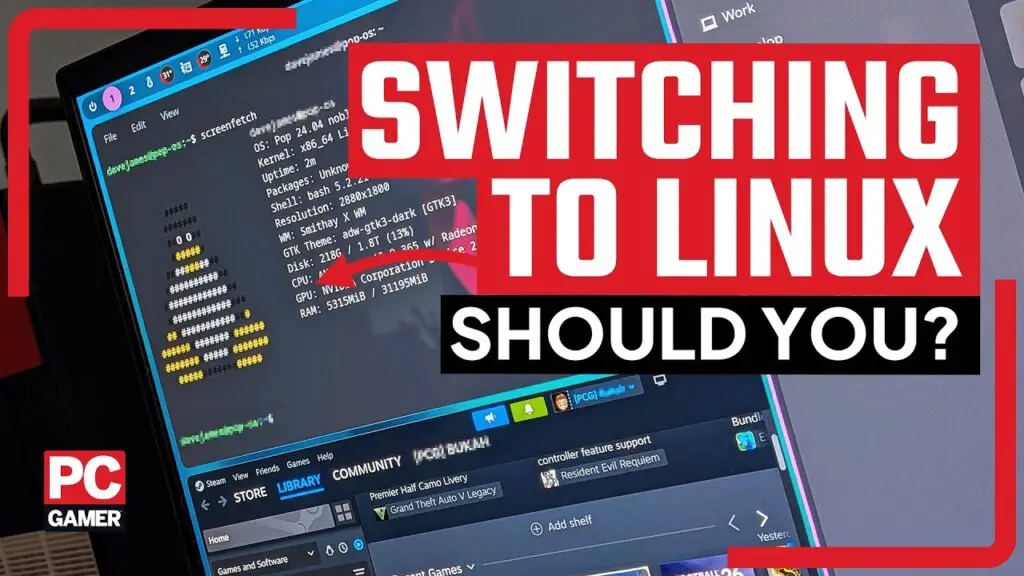
While Microsoft Windows remains the default choice for many, the tide is turning. At Digital Tech Explorer, we believe in transparency and real-world testing; our team has noted that recurring driver instabilities and the “bloatware” often found in Windows are driving users toward open-source alternatives. Linux offers a level of control and customization that is simply unparalleled.
The ecosystem is maturing rapidly. Recent milestones include Google’s official Chrome support for Linux on Arm and the launch of Opera GX for Linux users. While early adopters may still encounter the occasional hurdle—such as the need for a recovery USB during high-stakes events like Gamescom—the overall trajectory is positive. For those who value a fast, free, and highly adaptable environment, the transition to Linux has never been more viable.
Gnome 50 Key Features at a Glance
Beyond the graphics improvements, Gnome 50 introduces several features designed to enhance productivity and visual fidelity without the clutter of unnecessary AI integrations or subscription paywalls. Below is a summary of the most impactful upgrades:
| Feature | User Benefit |
|---|---|
| Variable Refresh Rate (VRR) | Eliminates screen tearing in PC games and provides smoother scrolling. |
| HDR Screen Sharing | Allows for high-quality, color-accurate remote collaboration. |
| Advanced Color Management | Crucial for designers and developers working with 4K resolution and beyond. |
| Optimized Remote Desktop | Enhanced efficiency for professionals working in hybrid environments. |
Conclusion: A New Era for the Linux Desktop
The release of Gnome 50 is more than just a software update; it is a testament to the power of community-driven innovation. By specifically targeting the “quirks” of Nvidia hardware, the developers have removed one of the final barriers for users hesitant to leave the Windows ecosystem.
As we continue to explore the intersection of digital innovation and user experience here at Digital Tech Explorer, Gnome 50 stands out as a beacon of what’s possible. Whether you are a developer looking for a streamlined workflow or a gamer seeking peak GPU performance, the ‘Tokyo’ release offers a compelling reason to make the switch.
For more in-depth analyses and the latest tech news, stay tuned to Digital Tech Explorer. Explore more of our stories by visiting TechTalesLeo’s author page.
Affiliate Disclaimer: Some of the links on Digital Tech Explorer are affiliate links. This means we may earn a commission if you click through and make a purchase, at no additional cost to you. Our recommendations are based on thorough research and personal experience. All content is for informational and entertainment purposes only.